


Why Juneteenth Originated in Texas
Jun 19, 2025 8:48 PM
Updated Jul 9, 2025 2:30 PM
How Texas Became a Refuge for Enslavers and a Crucial Site in the Struggle for Black Liberation
Juneteenth, celebrated annually in the United States on June 19th, marks the day in 1865 when Union General Gordon Granger arrived in Galveston, Texas, and publicly read General Order No. 3, proclaiming that all enslaved people were free. While President Abraham Lincoln had issued the Emancipation Proclamation more than two years earlier on January 1, 1863, enforcement of that order was uneven and slow—especially in Confederate territories still under rebel control. No state delayed longer or more deliberately than Texas.
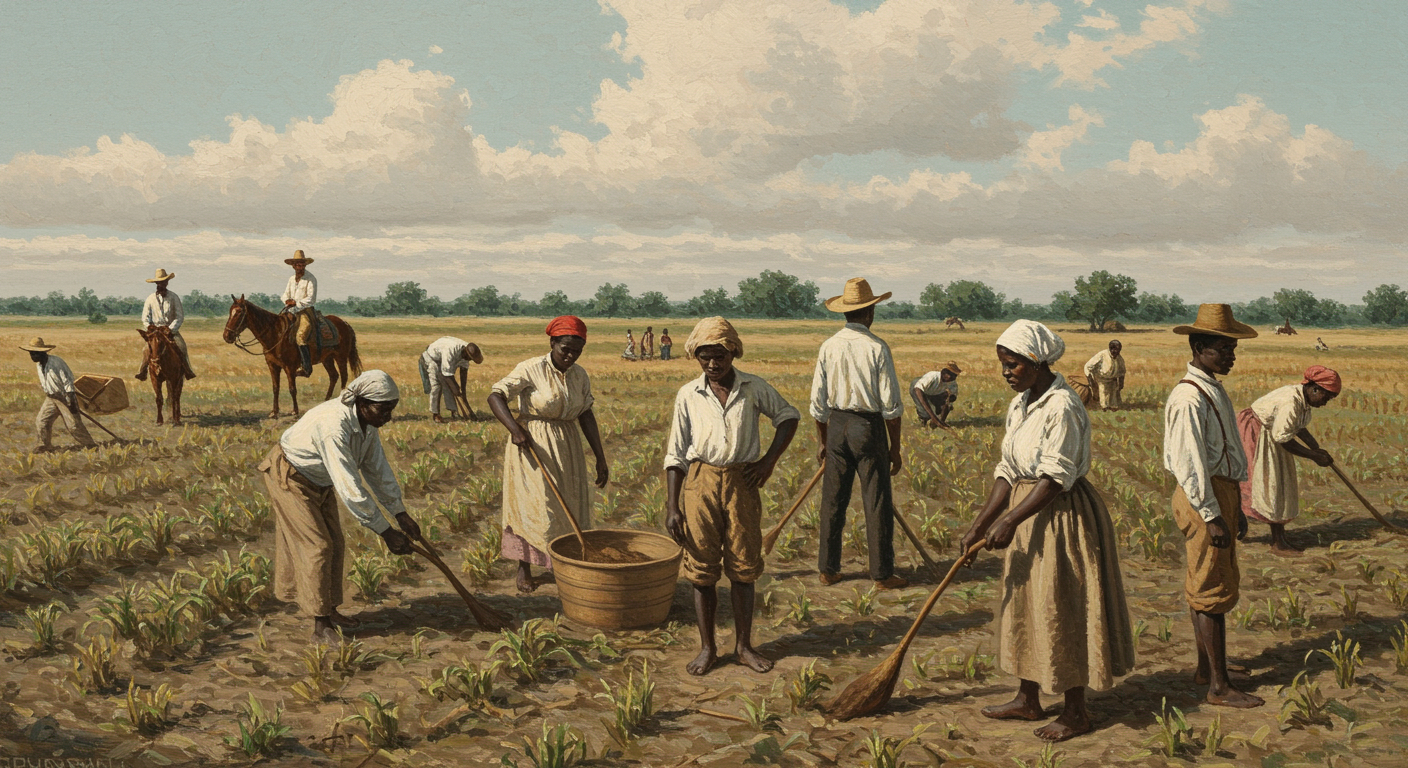
Texas, by geographic and political design, became the final stronghold of American slavery. As the Civil War progressed and Union troops liberated enslaved communities in the Deep South, thousands of white enslavers deliberately migrated westward, dragging enslaved Black people with them to Texas. This phenomenon, known to historians as "refugeeing," was an orchestrated effort to prolong slavery, shield enslavers from emancipation, and continue extracting wealth from forced labor.
Refugeeing was a deliberate and documented phenomenon: enslavers moved westward to Texas to extend the life of slavery, and this movement inflated Texas’s enslaved population significantly. It underscores how deeply embedded slavery was in the U.S. economic system and how fiercely many resisted emancipation — not just ideologically but for continued profit and control.
Between 1850 and 1860, the enslaved population in Texas surged from approximately 58,000 to over 182,000. Much of this increase was not the result of natural growth but due to forced migrations from Louisiana, Mississippi, Georgia, and Alabama. In the wake of the Emancipation Proclamation, these numbers only swelled further as enslavers sought to evade federal authority. Because Texas was distant from the frontlines of the Civil War and relatively untouched by Union forces until its conclusion, it became a final haven for those determined to extract wealth from people they tortured and enslaved.
Related stories
This calculated delay in liberation made Texas unique—and made Juneteenth necessary. Enslavers knew full well that the Confederacy was crumbling, yet many refused to acknowledge Lincoln’s proclamation. Some even fled the country entirely, dragging enslaved people with them to Mexico and to Brazil where slavery remained legal. Although the Emancipation Proclamation proclaimed their freedom, it wasn't until the arrival of Union troops and the enforcement of military orders that Black people in Texas were able to realize that freedom.
Juneteenth is often mischaracterized as a mere technical delay in communication. In reality, it was the result of deliberate obstruction by slaveholding interests determined to resist abolition at all costs.
Resistance to ending slavery in the United States can be traced not just to the Civil War, but all the way back to the American Revolution. Slavery played a central role in the colonies’ decision to break from British rule. A pivotal moment came in 1772 with the landmark English court case Somerset v. Stewart, in which the British judiciary declared that slavery was unsupported by English common law and that enslaved individuals could not be forcibly removed from English soil. Although the ruling did not abolish slavery throughout the British Empire, it sent a clear signal—especially alarming to American enslavers. Southern elites feared that the momentum of British abolitionism might soon reach the colonies. For many, the push for independence from Britain was about more than taxation or representation—it was about protecting slavery. To them, breaking away from the crown meant securing the right to preserve the institution that had already brought them immense wealth and power.
Thus, slavery was not simply America’s original sin—it was a founding motive. And the legacy of that motive endured, manifesting in the brutal continuation of bondage in Texas well after the rest of the nation had begun to break its chains.
Juneteenth is a day of celebration, yes, but also of sober remembrance. It is a reminder that freedom was never freely given to Black Americans—it had to be seized, defended, and enforced against relentless opposition. It is why Juneteenth began in Texas, and why it remains essential to the ongoing struggle for justice and historical truth.
Comments

Powered by RoundtableAn AI/DeFi-powered Enterprise Media Operating System. Learn more at Roundtable.io.© Roundtable 2026. By using this site you agree to the Terms of Use and Privacy Policy