


Jul 12, 2020 6:00 AM
Updated Feb 10, 2022 10:23 PM
Johnny Townsend: Just as I discovered I could never really trust him after that, many black folks or members of other oppressed groups often have difficulty fully trusting white people.
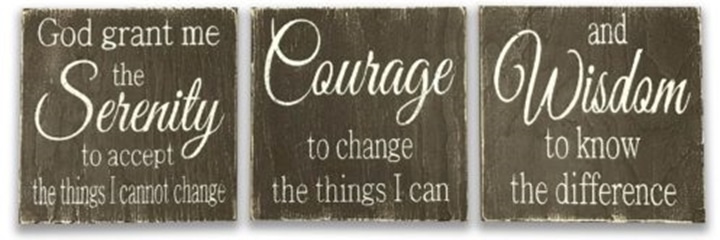
[dc]I [/dc]’ve never drunk an alcoholic beverage. I’ve never used illicit drugs. And yet I understand something about facing chronic, destructive conditions like alcoholism, and not only because I’ve known many people in recovery programs.
Just as an alcoholic sober for thirty years can never say she’s “cured,” I must confront my chronic, implicit biases one day at a time. It may get easier along the way, but there will never be a point at which I can declare I no longer harbor any bias.
That doesn’t need to feel like defeat, it doesn’t have to seem pointless or hopeless. It’s simply an acknowledgement of reality. Folks I know in AA and NA accept reality every day without losing joy in life. In fact, most enjoy life even more after acknowledging this fundamental truth.
Jim was the first man I dated who attended AA meetings twice a week. He sponsored a newly sober man who lived with him. While I didn’t date Jim more than a couple of months, it was long enough to understand that alcoholics faced trials I couldn’t imagine. It struck me as horrific to live every day knowing you could make a mistake that might have life-altering consequences. Jim’s roommate began drinking again after only a few months of sobriety, was kicked out of the house, and that was the last I heard of him. I decided I never wanted to date anyone in AA again. Jim died several years later of emphysema. Staying sober didn’t help him kick his addiction to nicotine.
Related stories
Just as I discovered I could never really trust him after that, many black folks or members of other oppressed groups often have difficulty fully trusting white people.
Similarly, I have friends and family who have made incredible strides in addressing their bias toward LGBTQ folks or toward women, who still cannot face their chronic prejudice against Native Americans or African Americans or Muslims.
In the show Mom, Christy is reluctant to face the undeniable fact that even after six years of sobriety, she is still addicted to gambling. She doesn’t want to have to deal with anything else. “I can’t be this broken,” she says. But she finally starts facing that separate addiction one day at a time as well.
Frank told me on our first date that he “used” to drink but was sober now. Wary, I kept some emotional distance, but we’d only been dating a month or so when I received some unsettling news from the HIV center. I’d tested positive. I called Frank, the only person I was ready to confide in. I knew he was positive and could help me sort through my feelings. I agreed to pick him up that evening so we could talk.
He was drunk when he came to the door. It felt like a slap in the face. Just as I discovered I could never really trust him after that, many black folks or members of other oppressed groups often have difficulty fully trusting white people. My boyfriend didn’t drink “on purpose” or to deliberately hurt me, but that didn’t change how his behavior affected me at a time when I was vulnerable.
Frank gave up drinking again a few days later, but six weeks after that, he went on another week-long drinking binge. He was “sober” for six weeks, went on another binge, and became sober once more.
He died a year later, holed up in his apartment on a drinking binge. Cirrhosis.
Not everyone can maintain sobriety or their commitment to justice and equality. One can’t just coast along. It takes work. And many people who falter lose their jobs or their standing in the community as a result. J.K. Rowling’s insistence on denying the reality of trans men and women may not destroy her, but she’s certainly losing many of her fans. Amy Cooper lost her job after faking a hysterical phone call to the police upon seeing a black birdwatcher in Central Park. Michael Lofthouse, CEO of Solid8, was caught ranting at an Asian family in a California restaurant. People behaving poorly and publicly don’t always face backlash, but sometimes, they lose a great deal. Yet people continue to do and say horrific things, even knowing they’re on camera, because they can’t admit they have a problem.
When dating another alcoholic, a man who’d been sober over twenty-five years, I attended an Al-Anon meeting to learn a bit more about how a sober person could manage relationships with non-sober folks. Many of us have family members who refuse to acknowledge either their chemical addictions or their subconscious prejudices, and that refusal makes it difficult for us to maintain functioning relationships with them. There may be no formal Bias Anonymous meetings, but we can find other ways to support those in our lives who must deal regularly with the destructive, hurtful people in our circles. Almost everyone has a bigotaholic in our family who makes it hard to be thankful at Thanksgiving.
A friend of mine, sober for twenty years and married for eighteen, grew frustrated that his husband could drink and he couldn’t. He finally decided he simply didn’t believe it was healthy to never allow himself even one drink. Most of us know of someone who falls after so many years of success. We’re baffled. “Why did he throw it all away?”
It’s mostly because people forget that we are never cured of addiction. Remaining clean and sober requires constant vigilance.
A white friend of mine in his seventies (and let me be honest—I’ve never had any deep friendships with folks who weren’t white) told me he’d been trying his entire life not to be racist, but these protests and riots for Black Lives Matter made him just give up. He doesn’t like black people, and he’s not going to try to fight that feeling anymore.
What must it be like to attend weekly AA meetings for thirty years, thirty-five, and still know you could relapse? What must it be like to have made amends for the many terrible things you did while drunk or high and know that you could still louse up every relationship you value, that you could still end up drunk and homeless after retirement?
My grandmother almost lost her faith in God at the end of her life because God had seen fit to give her non-smoking sister lung cancer.
What must it be like to lose faith in ourselves, in the possibility of peace and a better future for humanity?
Knowing that whatever “success” I achieve in confronting my biases can never guarantee a permanent cure is frightening, disappointing, even a bit depressing. But what, really, are my options? I can continue to confront my biases one day at a time or I can give up.
Given the nature of this chronic condition, I can’t truly predict where I’ll be five years from now, or three, or two. What I do know is that “just for today,” I’m going to remember I have a problem, one I didn’t choose but one I must deal with anyway, and I’m going to resist giving in, facing the challenge one day at a time.
Comments

Powered by RoundtableAn AI/DeFi-powered Enterprise Media Operating System. Learn more at Roundtable.io.© Roundtable 2026. By using this site you agree to the Terms of Use and Privacy Policy