
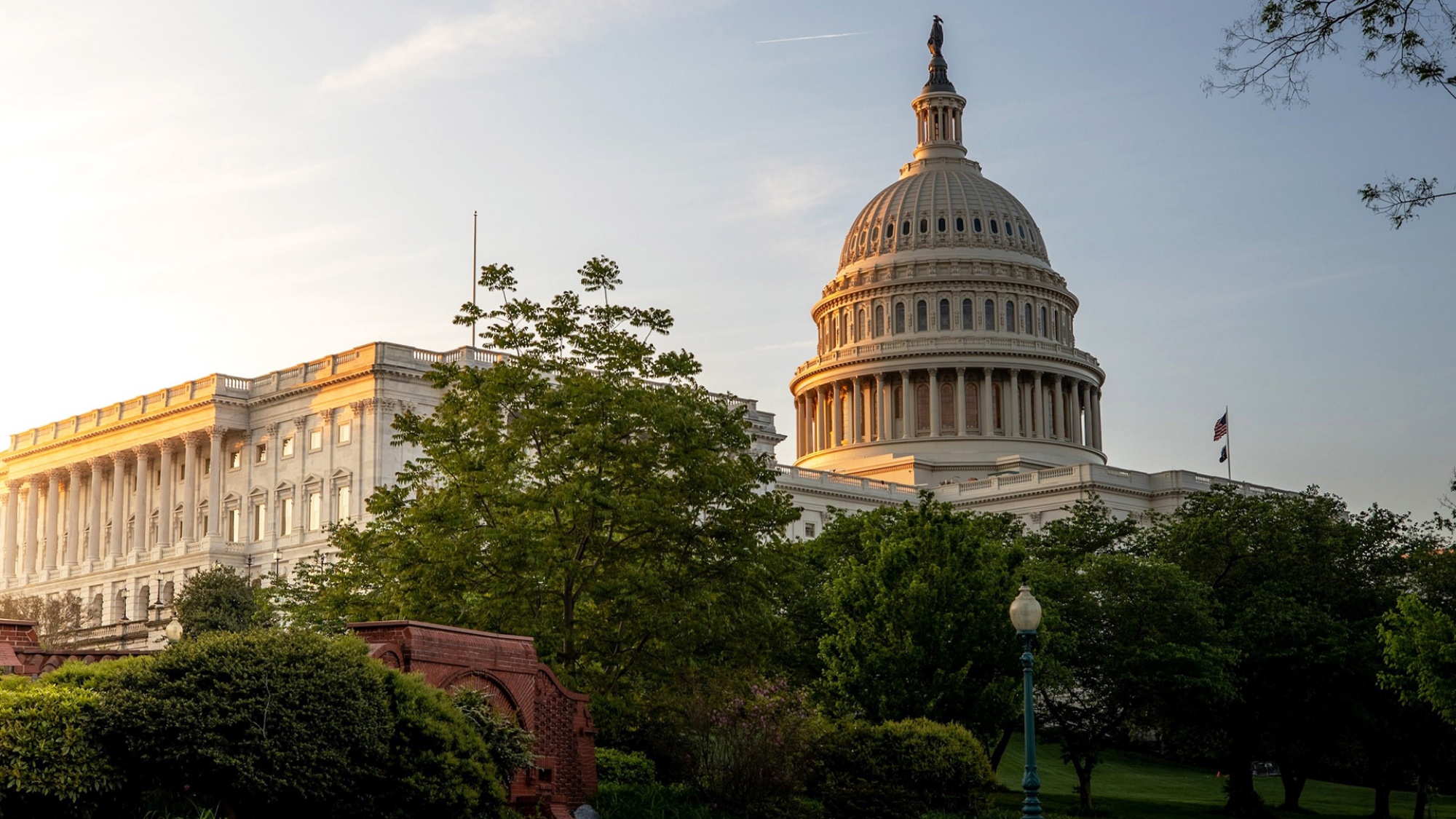
U.S. House of Representatives, Public domain, via Wikimedia Commons


We must ensure all are represented in Congress. The diversity of their staff is paramount to ensuring that the nation’s leadership serves all of its people.
Aug 1, 2024 5:21 PM
Updated Aug 3, 2024 5:27 PM
We must ensure all are represented in Congress. The diversity of their staff is paramount to ensuring that the nation’s leadership serves all of its people.
Senators shape the national policy decisions that affect us all. The Senate is also a frequent stepping stone for major party presidential candidates — including both Barack Obama and this year’s presumptive Democratic nominee, Kamala Harris.
This reality reinforces the critical need for diversity within Senate staff, as these positions often serve as the breeding ground for future leaders who can make profound impacts on the national stage.
I lead the Joint Center for Political and Economic Studies, America’s Black think tank. We recognize that Black voices matter — and that the lack of representation in key political staffing positions is a crucial aspect of our struggle for genuine democratic representation.
For years, the Joint Center has analyzed and advocated for equitable representation of people of color, particularly African Americans, in congressional staffing roles. Our newest report on Senate office diversity arrives shortly after Congress dissolved the House Office of Diversity and Inclusion.
Related stories
Our findings underscore the gravity of the issue: While people of color constitute 41.1% of the U.S. population, they account for only 22% of pathway staff in the Senate. “Pathway staff” are mid-level staffers who can earn the opportunity to move into more senior leadership positions.
African Americans, who make up 13.6% of the population, represent a mere 5.9% of Senate pathway staff. Similarly, Latinos, who are 19.1% of the U.S. population, only constitute 6.3% of Senate pathway staff.
The disparity is even starker when comparing top staff positions. In 2023, African Americans represented just 2.1% of Senate top staff, while Latinos accounted for 5.8% of these roles.
These figures illustrate the significant underrepresentation of people of color in influential staff positions, with Latinos being the most underrepresented in Senate pathway staffing and African Americans the most underrepresented in top staff roles.
We also found that senators of color, and younger senators, employ pathway staff that more accurately reflect the nation’s racial and ethnic diversity compared to their white counterparts.
America’s four Black senators employ 20.6% of the Black pathway staff, for example. And senators under 60 have the highest percentage of pathway staff of color at 29%, compared to about 17% for Senators aged 60-69 and around 20% for Senators aged 70 and above.
The data is clear: there’s an urgent need for more diversity in Senate staff.
The representation of Blacks and Latinos in key political staffing positions is essential for crafting policies that are inclusive and reflective of the nation’s diverse population. Ending the underrepresentation of economically marginalized communities of color is fundamental to the functioning of a true democracy.
At the Joint Center, we’re committed to collaborating with members of Congress, advocacy groups, and nonprofit organizations to address this facet of racial inequality — a challenge that should no longer persist in 21st-century America. The closure of the House Office on Diversity and Inclusion is a setback, but it only strengthens our resolve to keep fighting for the inclusion that’s vital to our democracy’s health and legitimacy.
We need to ensure all voices are heard and represented in the halls of Congress. Given the profound influence senators wield, the diversity of their staff is paramount to ensuring that the nation’s leadership truly reflects its people and truly serves all of its people.
This article was produced by Other Words.
Comments

Powered by RoundtableAn AI/DeFi-powered Enterprise Media Operating System. Learn more at Roundtable.io.© Roundtable 2026. By using this site you agree to the Terms of Use and Privacy Policy