
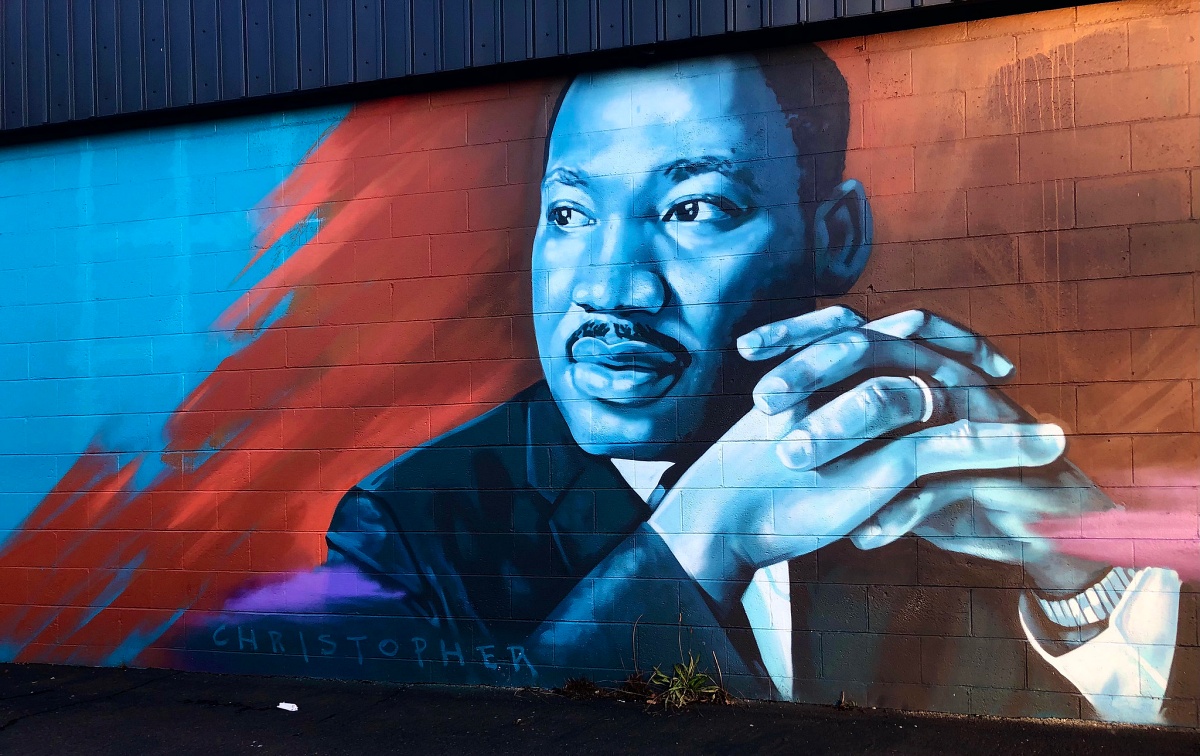
Chris Christian Attribution-NonCommercial (CC BY-NC 2.0) Flickr


Martin Luther King Day Reflections on Black Political Representation
Jan 20, 2025 6:55 PM
Updated Jan 21, 2025 4:16 PM
As one of the greatest Americans, Martin Luther King, Jr., is being honored on this day and one of the worst presidents in American history is being inaugurated...
My observations around representation, diversity, and political strategy, particularly as they pertain to Donald Trump and the Republican Party’s outreach to Black Americans on this Martin Luther King Day.
1. Representation in Trump's Administration
Despite endorsing Black candidates like Herschel Walker and Mark Robinson, Donald Trump's administration currently lacks Black leaders in prominent roles. Scott Turner, nominated to be Secretary of Housing and Urban Development. Like Ben Carson during Trump's first term, Turner is the only Black person nominated by Trump. This absence of representation became glaring given his campaign promises to uplift Black communities, particularly through "Black jobs"—a phrase he failed to define in meaningful terms. While his endorsements of Black Republican candidates may appear to show diversity, they often came across as performative gestures rather than substantive efforts toward inclusion.
2. Performative Outreach and Racial Tensions
The Republican Party's outreach to Black voters under Trump, particularly targeting Black men, has been widely criticized as superficial. Endorsements of candidates like Tim Scott, Byron Donalds, and others seemed more like attempts to display diversity than to address systemic racial inequalities or promote meaningful inclusion. Instances like Tim Scott declaring his love for Trump underscore how these relationships often feel transactional, with loyalty to Trump prioritized over genuine efforts to represent or uplift Black voices.
The racial divide within the party is also symbolized by visual contrasts, such as the predominantly white crowds at Republican National Conventions. These images starkly contrast with the stated goals of building a more diverse and inclusive coalition.
Related stories
3. Fracturing Democratic Loyalty
Trump’s approach to courting Black voters—particularly Black men—has often focused on weakening their allegiance to the Democratic Party rather than offering meaningful alternatives. By co-opting prominent Black Republican figures and focusing on wedge issues, he sought to peel away support from Democrats. While this may have yielded limited success, it failed to resonate deeply with the broader Black electorate, partly due to perceptions of insincerity and a lack of policies addressing systemic inequities.
4. Prioritizing Loyalty Over Diversity
Trump’s preference for loyalty above all else in his appointments has been well-documented, with many of his picks, such as Matt Gaetz and Pete Hegseth, courting controversy. Critics like Jamarr Brown point out that this loyalty-driven approach excludes candidates who might champion policies that genuinely benefit marginalized communities. The sentiment that "all skin-folk ain’t kinfolk" reflects skepticism toward Black individuals in leadership roles who may align with policies that potentially harm minority communities.
5. Broader Implications for the Republican Party
My analysis brings to light the ongoing challenges the Republican Party faces in addressing its lack of racial diversity and inclusion. While the party insists merit is the guiding principle behind its choices, the lack of diverse leadership and the performative nature of outreach efforts suggest deeper systemic issues. Addressing these challenges requires more than symbolic endorsements; it demands genuine engagement with Black communities, meaningful representation in leadership, and policies that address structural inequalities.
As I've noted, Martin Luther King Jr. Day serves as a poignant reminder of the ongoing struggle for racial equality in America. Contrasting this with Trump’s presidency and his administration’s approach to race underscores the gap between rhetoric and action. These dynamics highlight the need for both parties to engage with Black communities in ways that go beyond symbolism, focusing instead on policies and leadership that promote equity and inclusion.
Comments

Powered by RoundtableAn AI/DeFi-powered Enterprise Media Operating System. Learn more at Roundtable.io.© Roundtable 2026. By using this site you agree to the Terms of Use and Privacy Policy