


Dec 26, 2024 7:52 PM
Each day of Kwanzaa focuses on one of the seven principles, which include unity, self-determination, collective work and responsibility
Kwanzaa, a week-long celebration of African heritage, was introduced in 1966 by Maulana Karenga, a professor of Africana studies at Cal State University Long Beach. The word Kwanzaa is derived from the Swahili phrase “matunda ya kwanza,” which means “first fruits.” Each day of Kwanzaa focuses on one of the seven principles of Kwanzaa, which include unity, self-determination, collective work and responsibility, cooperative economics, purpose, creativity, and faith. The principles of Kwanzaa provide the roadmap we need to help build and reinforce community and can help us navigate whatever lies ahead as it relates to Project 2025 and the incoming Trump administration.
It’s been nearly 60 years since a professor of Africana studies at Cal State University Long Beach, Maulana Karenga, introduced Kwanzaa—a culturally and spiritually significant celebration of African heritage.
This annual, week-long celebration begins the day after Christmas and continues through New Year’s Day. Karenga’s creation gave the African American community and other Blacks throughout the diaspora an Afro-centered vehicle to “sing the Lord’s song in a strange land.”
The word Kwanzaa is derived from the Swahili phrase “matunda ya kwanza,” which means “first fruits. The term is from the Swahili word kwanza, which means first, and the African American Kwanzaa season is rooted in a South African tradition that celebrates the first fruits of the harvest season.
Related stories
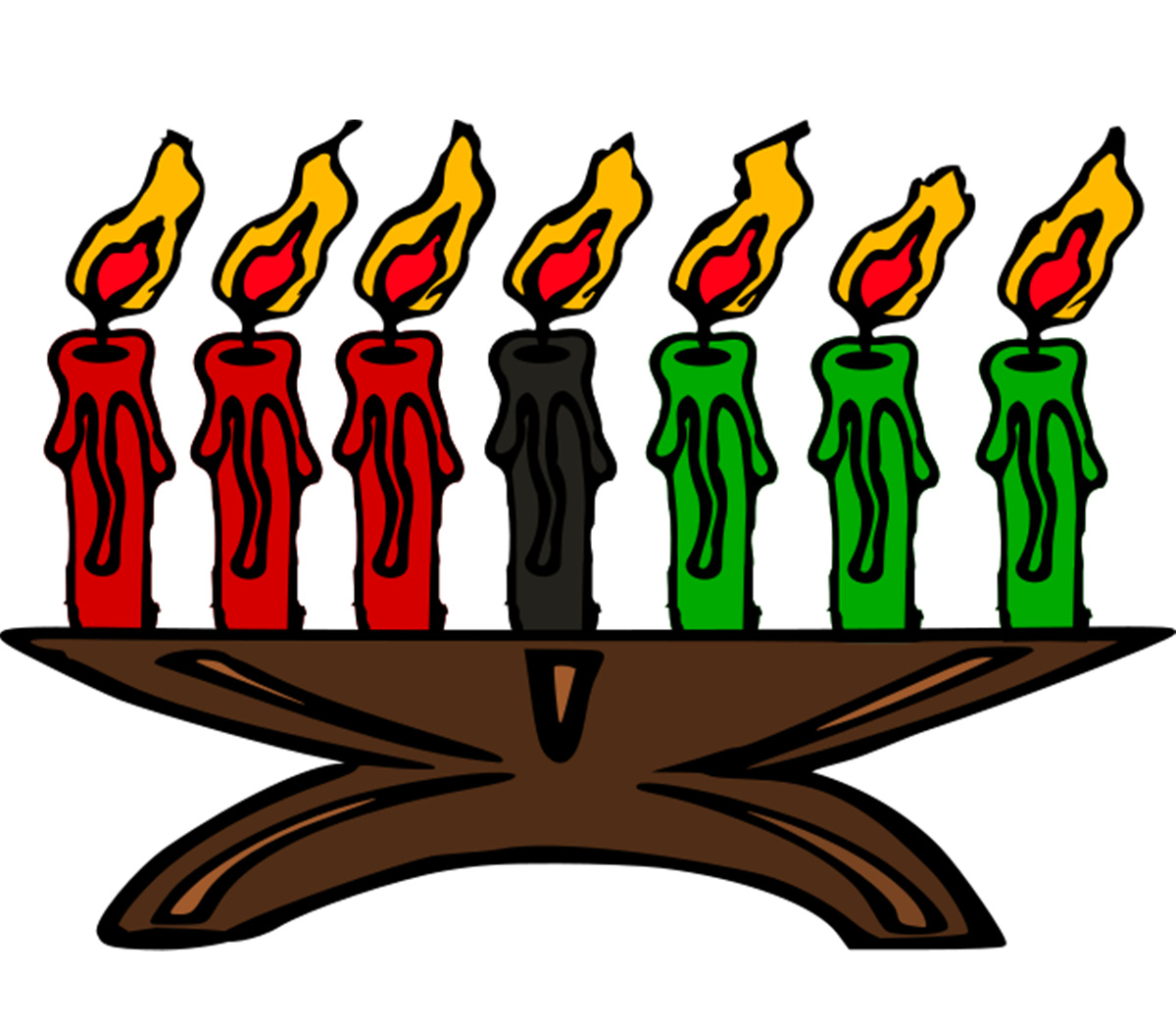
Every day of Kwanzaa focuses on one of the seven principles of Kwanzaa. The principles are based on seven values associated with African culture that are intended to help build and reinforce community among Black Americans. The principles include unity (umoja), self-determination (kujichagulia), collective work and responsibility (ujima), cooperative economics (ujamaa), purpose (nia), creativity (kuumba), and faith (imani). Each evening, family and friends gather to light a special candle that represents one of the seven principles of Kwanzaa, beginning with Umoja (unity).
As 2024 winds down, many in the Black community are looking to 2025 with a measure of cautious optimism that, in many instances, is being somewhat overshadowed by concern and trepidation over the social and economic threats to the Black community looming on the horizon with the incoming presidential administration. As such, embracing and adhering to the wisdom inherent in the ancient African principles celebrated during Kwanzaa can help sustain us throughout the coming year and beyond, regardless of what lies ahead.
In a report, What Project 2025 Means for Black Communities, the Thurgood Marshall Institute, in partnership with the Legal Defense Fund (TMF-LDF), analyzed the Mandate for Leadership 2025: The Conservative Promise, commonly known as “Project 2025.
The TMF-LDF report assessed the likely impact of Project 2025 on Black communities and concluded that “[I]t is a direct, boundless, pregnant threat to the interests and well-being of Black people and our democracy.”
In a summary of their findings, TMF-LDF noted how the radical proposals to restructure the federal government while at the same time increasing the president’s authority detailed in Project 2025 “will severely harm Black communities across the country.”
Interestingly, Project 2025 does not specifically call out Black people as targets of the policies proposed in its agenda. However, its proposed/recommended actions will certainly impact and/or undermine “Black communities’ political power, civil rights protections, and economic and educational opportunities,” according to TMF-LDF.
The TMF-LDF report highlights six key areas in Project 2025 that will directly impact underserved communities, especially Blacks. They include: limiting access to quality education; undermining political power; promoting punitive criminal legal policies; jeopardizing access to affordable housing; threatening reproductive rights and health; and exacerbating health disparities caused by environmental racism.
The principles of Kwanzaa—unity, self-determination, collective work and responsibility, cooperative economics, purpose, creativity, and faith—not only provide the roadmap we need to help build and reinforce community; they also reinforce the spiritual source and strength we can use as a community to successfully navigate whatever lies ahead.
Of course, this is just my opinion. I’m keeping it real.
Comments

Powered by RoundtableAn AI/DeFi-powered Enterprise Media Operating System. Learn more at Roundtable.io.© Roundtable 2026. By using this site you agree to the Terms of Use and Privacy Policy