
Argya Diptya • Attribution (CC BY 2.0) • Flickr


Nov 2, 2023 2:53 AM
Contemporary casting reflects society’s stubborn refusal to go beyond the idea that Jesus was “not white.”
While physical violence played a central role in early capitalism’s drive for global conquest and domination, the concept of white supremacy proved to be even more lethal. It provided a double barrel blast as both a rationale for displacement, genocide and enslavement, as well as a psyops weapon that caused some people of color to hate themselves enough to betray their own communities in the interest of European greed. In this process, nothing was off limits, including cynical lies tailored to cause spiritual people to believe that even Almighty God was a white supremacist.
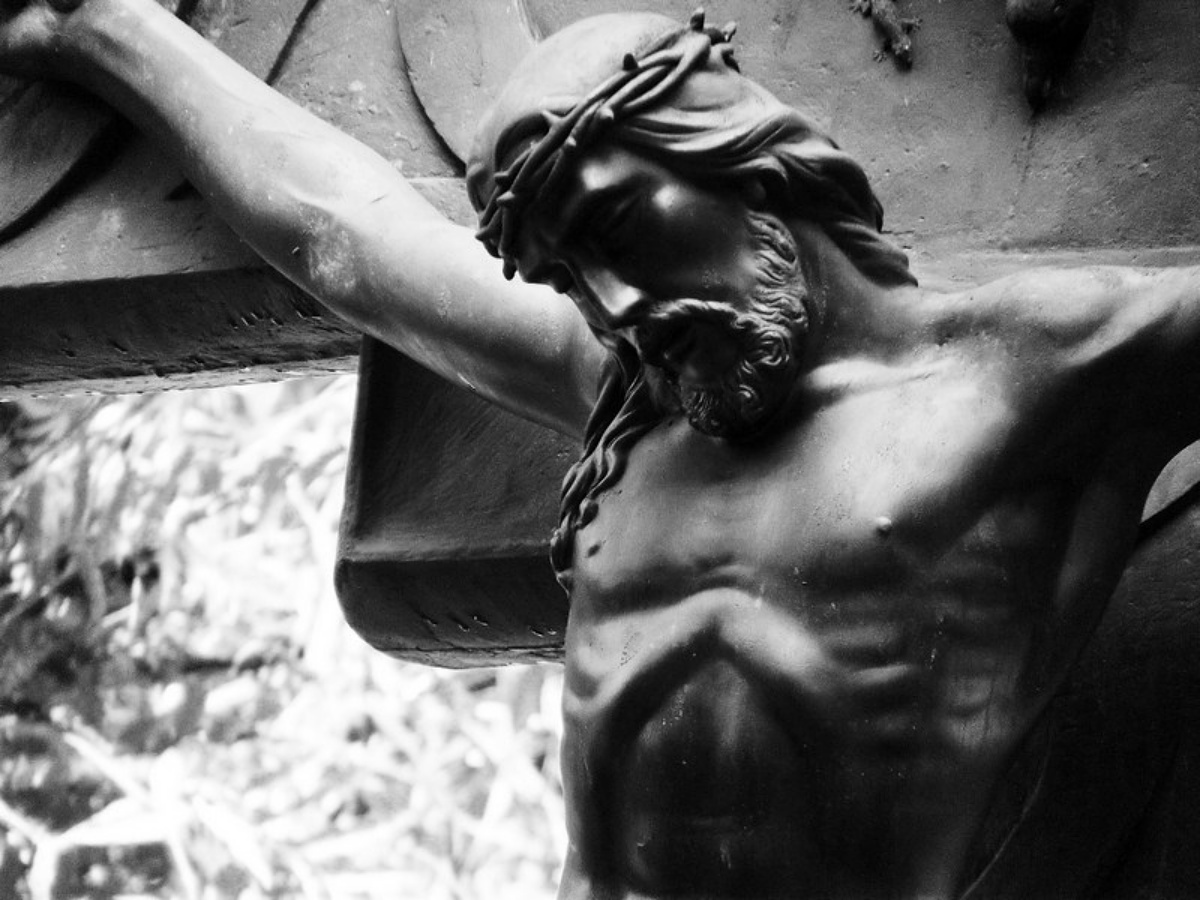
It is an enduring concept. Ask anyone to lock in the first image that pops into their heads upon hearing: “Jesus Christ,” and if they are honest, they will acknowledge they visualize the ethereal, pale-skinned, hippie-haired, delicate sort of fellow attired in soft raiment that Renaissance European art created and that was used for generations to bolster white supremacist propaganda.
Honest scholarship and scientific inquiry have prompted an ever-growing acceptance of the proposition that Jesus was “not white.” Nevertheless, movies like Passion of the Christ, The Gospel of John, or Son of God hang on to white Jesus. Maintaining every element of that image is important, apparently even in the popular television series The Chosen, which appears to make efforts to achieve historical accuracy. Notwithstanding British historian Joan Taylor’s conclusion that the historical Jesus was “…short-haired and with a slight beard…”, actor Jonathan Roumie, The Chosen’s Jesus, still looks like an ethnically dark, but nevertheless white, long-haired, bearded hippie.
Contemporary casting reflects society’s stubborn refusal to go beyond the idea that Jesus was “not white.” The most many will concede is that he may have had a complexion that is “olive” in color. That is certainly possible. But the possibility that he may also have been at least dark brown in color is often summarily dismissed, prompting speculation about just what it would take to change that mindset, because although a solid circumstantial case can be made that Jesus may have been significantly darker than “olive,” it doesn’t seem to matter.
Related stories
It is generally acknowledged that Jesus was a member of the community descended from Hebrews held in bondage in Egypt. Those Hebrews likely differed little in physical appearance from the Egyptians who enslaved them. Consider that Joseph was mistaken for an Egyptian (Genesis 42:3-8). Moses was also mistaken for an Egyptian (Exodus 2:19). Even Paul, a contemporary of Jesus who was of the same ethnic stock, was mistaken as an Egyptian (Acts 21:38).
If Hebrews looked like Egyptians, then it is useful to consider the enormous collection of paintings Egyptians created of themselves. Only the most intellectually dishonest or delusional observer will deny that the Egyptians depicted themselves as a brown to black-skinned African population.
The color of Jesus is an old and recurring discussion. It usually ends with someone – usually a white person – insisting that Jesus’ skin color is not important.
The usual response that ancient Egyptians were not brown because Egypt’s current population is not “black” is of no more value than the absurd proposition that because the majority of people in North America are currently white, that such was also the case prior to the 1500s. Populations change over time because of migration and conquest. If, for the sake of discussion the 70 Hebrews who initially entered Egypt were as white as snow, then it is unlikely that the thousands to millions who left under Moses’ leadership retained their racial purity after necessarily mating with Africans. Moses himself had an Ethiopian wife (Numbers 12:1-10). Finally, it is not insignificant that when the infant Jesus and his parents fled from Herod, they hid in Egypt (Matthew 2:13), presumably with hopes of blending in with the local brown skinned population.
The color of Jesus is an old and recurring discussion. It usually ends with someone – usually a white person – insisting that Jesus’ skin color is not important. They argue that more important to all people is the power of his message and the profound impact of his life, death and resurrection. They are absolutely correct, because in all likelihood it is by divine design that there is no contemporaneous record of Jesus’ racial identity or physical appearance, because whichever group to which he belonged would likely claim religious superiority and exclusive spiritual rights. So, yes Jesus’ color should not be important, but white society makes it important by dutifully listening to credible scholarship about Jesus’ racial identity, and then with stubborn arrogance, they persist in producing images of a white Jesus.
This is problematic not merely because of the potential for these images to induce and maintain feelings of superiority in white communities, and feelings of racial inferiority among non-white populations. More significantly it is a continuing manifestation of white power and privilege that reaches even beyond domination of the labor and economics of communities of color. It reaches into the ultimate realm of their humanity by impacting their spirituality.
It’s not that people of color need Jesus to be brown or black. For generations they were allowed to see only images of white Jesus and they loved him no less. They just need to know that the truth is told about their savior. When they are aware of the near certainty that Jesus was not white, and they sincerely want to get beyond that issue so as to relate to God on a purely spiritual level, they become distracted from their spiritual pursuits by lies about Jesus’ complexion that are told solely for the emotional comfort of those who enjoy white privilege. Rather than spending their energy in prayer and worship, they instead feel compelled to correct the record…maybe by writing something called, oh… maybe The Indelible Whiteness of Jesus.
As we strive to make a better, more just world by, among other things abolishing white supremacy, capitalism’s most lethal weapon, we must understand that the challenge goes beyond eliminating racial barriers, racial exploitation and institutional discrimination. It also means that white individuals must relinquish the myths and lies that have been so personally comforting to them for so many generations, but which have been so psychologically and spiritually devastating to people of color. This aspect of the revolution need not wait until the people have seized state power. While serious and sincere people can begin now to purge themselves of white privilege, it’s unlikely to happen because white privilege is like a drug habit. It can be kicked, but there is no place to go into rehab, and it is likely that people wouldn’t go even if such facilities were on every street corner.
Comments

Powered by RoundtableAn AI/DeFi-powered Enterprise Media Operating System. Learn more at Roundtable.io.© Roundtable 2026. By using this site you agree to the Terms of Use and Privacy Policy