


Mar 11, 2025 7:01 PM
Updated May 27, 2025 10:55 PM
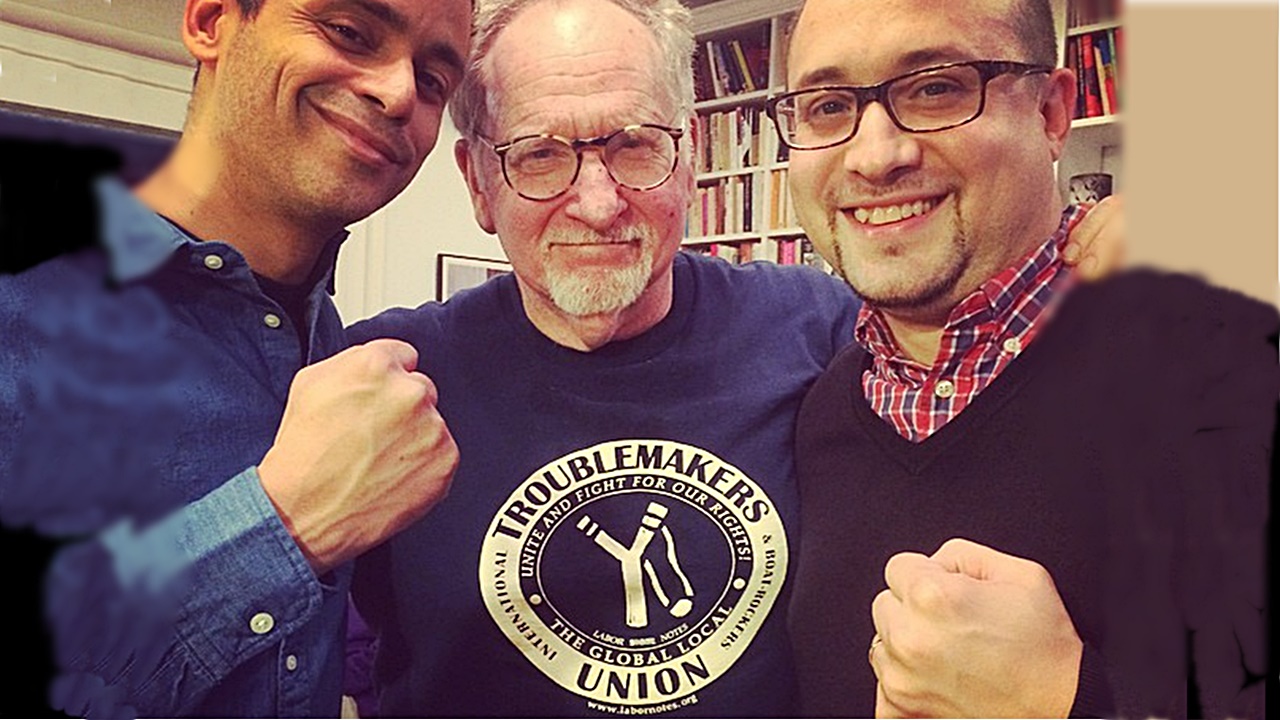
Mark Naison knows a lot about the importance of centering diversity, equity, and inclusion in any organization. His 50-plus years at Fordham University have been a work in progress.
In this conversation, the LA Progressive interviews longtime activist Dr. Mark Naison—a tenured professor who is also a veteran of protests and organizing. Naison, who is a proponent of CRT and DEI, recounts his personal journey into civil rights work, specifically his work in the trenches battling anti-Black racism and anti-immigration sentiment.
As committed DEI practitioners, Mark and Sharon open the dialogue with a nod to recent actions taken by Donald Trump and President Musk, setting the stage for a discussion about resistance against oppressive policies. Naison's candid reflections provide insight into how personal experience, early exposure to bullying, and the fight against systemic injustice have intertwined throughout his life.
Early Life, Personal Struggles, and the Making of an Activist
Mark Naison’s story begins in a tough Brooklyn neighborhood known as Pit Town, where he experienced bullying from an early age. Having skipped a grade and being smaller than his fellow classmates and wearing glasses set the stage for lots of bullying. But Mark's resistance to it became the catalyst for his lifelong commitment to fighting injustice. Mark recalls how, rather than succumbing to his tormentors, he fought back regardless of whether he thought he could win the fight. He also learned to channel his anger into sports and later into academic and political activism. This early identification with the underdog set the stage for his later actions in the civil rights movement.
Naison’s personal narrative also reveals an interesting transformation that played itself out into adulthood. Initially a star athlete at Columbia University, his involvement in protests and his participation in organizing activities—ranging from tutoring to coordinating rent strikes—helped him forge a new identity that intertwined athletic success with political activism. His early life is an example of how personal adversity can fuel broader commitments to social justice.
Related stories
Academic and Professional Milestones in Civil Rights
Transitioning from high school activism to higher education, Naison’s time at Columbia University was pivotal. Despite initial academic and social challenges, his participation in protests and his role as the sole athlete in his protest group catalyzed his deeper involvement in the civil rights movement. His later appointment as the first white professor in a Black studies program at Fordham University underscores his commitment to challenging traditional power structures within academia. This milestone not only signified a break in institutional barriers but also served as an inspiration for both minority and majority communities to pursue radical change.
Mason’s academic work—reflected in his dissertation on the history of the Communist Party and the labor movement—further demonstrates how historical and political scholarship can inform present-day activism. His work links historical radical movements with contemporary struggles, providing a rich contextual backdrop that deepens the understanding of today’s political battles.
Organizing for Change: From Protest to Covert Activism
A significant part of Mark Naison’s current activism is in response to Trump's immigration policies. Faced with executive orders that attempt to intimidate and restrict civil liberties—especially in the realm of immigration—Naison is working to organize small, trusted groups known as “Icebreakers.” These groups serve multiple roles: tracking deportations, providing legal and food assistance, and mobilizing protests against Trump's oppressive measures. This grassroots model of covert activism mirrors historical examples of resistance, where communities had to operate discreetly in the face of overt repression.
Mark’s call to action, “don’t give anything away,” encapsulates the spirit of resilience in the face of intimidation—a sentiment echoed by many civil rights leaders throughout history. His work is an important reminder that organized, covert, and direct action remains a necessary strategy when state power is wielded against the vulnerable.
Personal Philosophy and the Lifelong Fight Against Injustice
Naison’s narrative is interwoven with a personal philosophy that views life as an opportunity to sacrifice for a greater cause. Inspired by historical figures like abolitionist Wendell Phillips, a white slavery abolitionist—whose words Mark cites as a reminder that “none knows what it is to live unless you place your life as a sacrifice on the altar of some great cause”—Naison emphasizes that his struggle is as much personal as it is political. His story is a testament to how personal history and ideological commitment can merge to form a potent force for change.
Despite admitting to having a temper and being “pretty rough,” he remains dedicated to using his energy for the benefit of others. This duality of personal imperfection and relentless commitment serves as an important narrative in understanding the complex human dimensions of social activism.
The LA Progressive thanks Mark for both his years of activism and commitment to community as well as his dedication to education and DEI.
Comments

Powered by RoundtableAn AI/DeFi-powered Enterprise Media Operating System. Learn more at Roundtable.io.© Roundtable 2026. By using this site you agree to the Terms of Use and Privacy Policy