
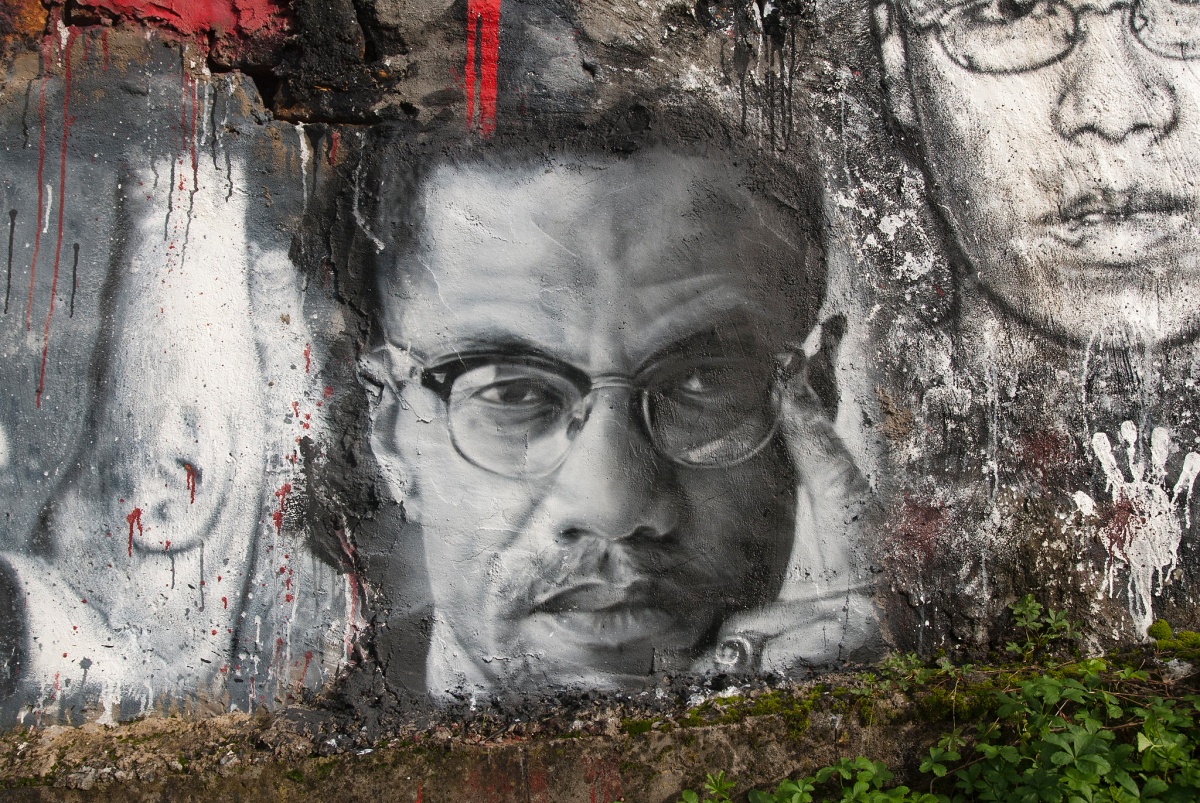
thierry ehrmann • CC BY 2.0 • Flickr


Sep 20, 2025 5:48 PM
Updated Sep 20, 2025 5:53 PM
The formation of community patrols can serve as a visible deterrent to extremists and excessive policing.
Threats against Black institutions and political leaders escalated after the killing of conservative influencer Charlie Kirk. Even when the shooter was identified as a white man, toxic rhetoric on rightwing social media continued unabated – with no statements of concerns by the Trump Administration as it seeks to brand liberal critics.
The wave of racist vitriol led the NAACP Legal Defense Fund to issue a statement condemning the comments as "terroristic threats." Understand that the calls for violent retaliation – and even civil war – resonate loudly in a Black community exposed to racial violence over generations with impunity. Especially with the rise of rightwing militia groups that practice flash convergence in cities with diverse populations like Boston.
What follows is a cursory account of how the Black community has defended against vigilantism in the past. It describes the support networks, political advocacy, community patrols, and other defensive measures found useful. The strategies may be of interest to political and institutional leaders grappling with the prospect of extremism in these times.
First, Black community organizations fostered reliable support networks in times of racial uncertainty. Such networks were crucial instruments for information sharing, psychological well-being, and passing down lessons of socialization since the days of the free Black institutions. The African Methodist Episcopal (AME) Church, for instance, promoted practices for crisis response, harm reduction, and food security in slavery and Jim Crow.
Related stories
More recently, during the protests over George Floyd, many Black parents, church and cultural leaders revived a ritual of protective socialization. That was having “The Talk” with youths about ways to de-escalate menacing situations with police and extremists.
Second, institutional leaders have leveraged the legal and political system against vigilantism by raising public awareness and encouraging police investigation and prosecution. The NAACP Legal Defense Fund, for instance, has been in the forefront of advocacy for protection against threats of racial violence.
Third, community leaders have formed self-protection groups that include community observation, escort, police coordination and defense practices, when law enforcement has failed to provide protection. The community defense groups have largely been unarmed but there have been instances where armed resistance was believed necessary. Most groups turned to members with training in law enforcement, security, and military, among others.
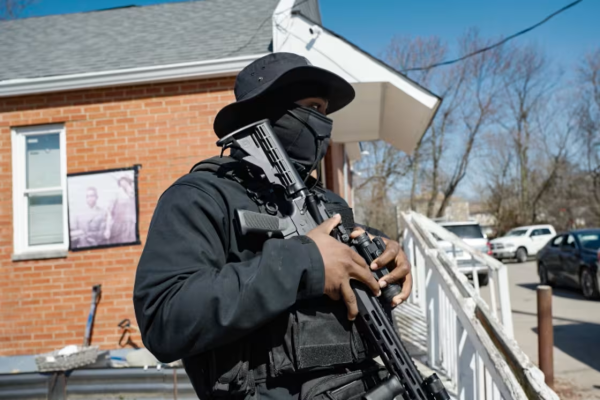
During the civil rights era, for instance, The Deacons for Defense and Justice helped defend people in Louisiana against white supremacist groups. In 1964, Black veterans founded the armed resistance cadre in Jonesboro, Louisiana, in response to the threats of the Ku Klux Klan and other extremists. The practice was expanded to Mississippi and Alabama where street patrols were organized to counter vigilantism and provide security for voter registration and elections.
In similar fashion, the Black Panther Party for Self-Defense, founded in Oakland, California, created armed community patrols to monitor and challenge excessive policing. It provided self-protection and community services in cities across the country between 1966 and 1982.
In recent years, with the uptick of racial threats, people have considered the need for self-protection groups anew. Primarily associations for community watch and escort and police coordinating, but in a few cases legally armed self-defense clubs. In 2020, the “Not Fucking Around Coalition (NFAC)” militia was mobilized in response to extremists threats. It organized community patrols and training for responsible adults on the legal use of firearms for self-defense. It also engaged in a public theater of rallies in several cities under stress.
In March, 2025, the Lincoln Heights Safety and Watch program was started near Cincinnati. Volunteers patrolled streets in reaction to threats by the KKK and neo-Nazis. “I’ve never felt safer as a Black man in my community than I have right now,” one resident said.
The modern Black defensive practices were shaped by the experience of mob violence in the 20th century. Specifically, the widespread use of mass lynching and ethnic cleansing outbreaks to enforce racial subordination. In New York City, as one such representation, a pack of whites descended on the Black Tenderloin district in 1900. The Black community organized a defense committee known as the Citizens Protective League in response.
In 1908, a white mob destroyed Black-owned businesses and homes and lynched two men in Springfield, Illinois. The incident was replayed in 1917 when white hordes attacked and killed hundreds of Black residents in the city of East St. Louis, Illinois, and expelled thousands over tensions about jobs and housing. In 1919, as soldiers of World War I were demobilized, white groups besieged Black urban communities in a wave of violence that became infamous as “The Red Summer.”
Episodes of Black expulsion by mob violence were prominent during World War II as well, foremost the Detroit Riot of 1943. The three-day melee resulted in 34 deaths (25 Black and 9 white) and over 675 injuries, and required the intervention of federal troops to restore order. With such history, Black people are attuned to be on guard against the hint of vigilantism. All the more so today as President Trump deploys federal police and National Guard troops to predominantly Black Democratic cities by decree.
In closing, history suggests that Black community self-defense strategies can be beneficial during threats of vigilantism. The formation of community patrols, for example, can serve as a visible deterrent to extremists and excessive policing. The use of legal advocacy can draw attention to injustices and political organizing can leverage the power of self-governance in the face of reactionary oppression.
Comments

Powered by RoundtableAn AI/DeFi-powered Enterprise Media Operating System. Learn more at Roundtable.io.© Roundtable 2026. By using this site you agree to the Terms of Use and Privacy Policy