


Mar 29, 2026 5:45 AM
One of the most encouraging proposals has been moving away from exalting individuals towards embracing movements and the collectives that birth, build, and fuel them.
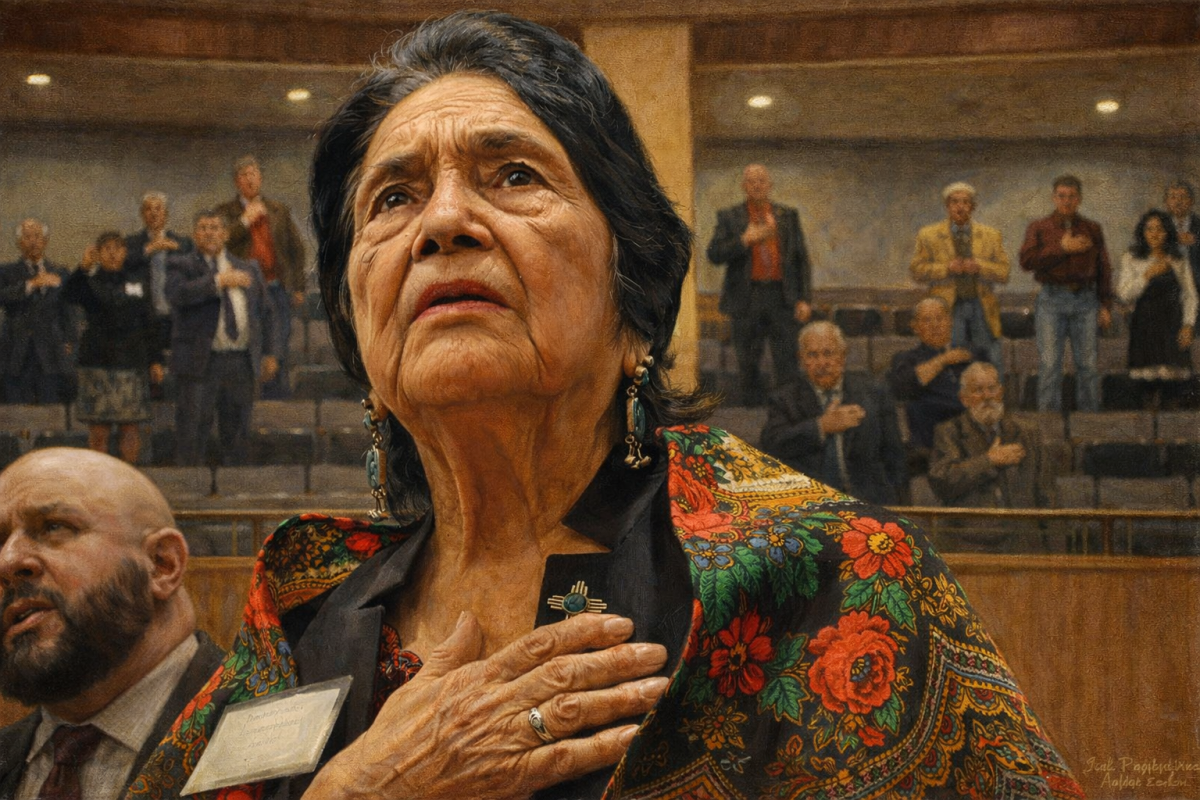
Like everyone else in the world, and women of color organizers especially, I cried for Dolores Huerta. I have been blessed to be in space with her many times over the years. Each time we share the same air, I feel deeply humbled and small. It is not the enormity of her being that takes my breath away, but her humility, her kindness, that she is so regular, so familiar, and so righteous.
“Dolores” (which she is called by people of all ages) became a shero to me not simply because of the movements that she has been a part of, visioned, led and built, but because she does so as a human being, a woman, mother of eleven children, twice divorced. Her perfect imperfections and unwavering commitment to the people, affirm and empower, rather than making social change feel distant…like it is meant for some special, ordained (male) being.
On Wednesday, March 18, Dolores Huerta came forward to reveal that Cesar Chavez – her partner in building United Farmworkers and the face of the movement – had sexually assaulted and raped her. She posted her full statement on Facebook. She birthed two children as a result and was compelled to keep it a secret for more than 60 years, passing the babies to relatives to raise, never indicating that Cesar had committed heinous acts. She buried her own pain in order to protect the movement.
She came forward now because it was learned that two girls…and likely more…had been groomed, molested, and raped by Cesar. People don’t believe victims, especially those who are raped as children. and those who are unequal in power. Who would believe Ana Murguia and Debra Rojas?
Related stories
But we know Dolores Huerta. She has spent 96 years living a life that has earned our trust. In a world that has relegated movements to individuals and made messiahs out of human beings, Dolores had to come forward.
I spent early Wednesday morning processing with my oldest child, who is also my closest comrade. Thandiwe offered a profound truth, “The same person can do wonderful things and horrible things.” Cesar was the co-architect of a movement that absolutely changed the world for the better…and he was a rapist.
Two things emerged for me. First, movements must be bigger than individuals. We must practice group-centered leadership, which harnesses the gifts and contributions of the many, rather than making messiahs. Second, we must always work to live in our highest selves – to kill that which is unrighteous and build what is good.
It is heartening to witness the swiftness of the response. As street names are changed and murals are painted over, there are some who seek to replace Cesar’s face and name.
The son of Larry Itliong, the Filipino labor leader who was organizing farmworkers before Chavez and seems to have been the actual impetus for the Delano Grape Strike, has seized the moment to rightfully advance his father’s story and legacy. Others have proposed replacing Cesar Chavez Day with Dolores Huerta Day. One of the most encouraging proposals, however, has been moving away from exalting individuals towards embracing movements and the collectives that birth, build, and fuel them.
When we center the Farmworkers Movement, the Chicano Movement, the Civil Rights Movement, we become more honest about how change happens, we guard against messianic models that make entire movements reliant on flawed human beings, and we empower the people to take responsibility for our own liberation. What is advanced by group-centered leadership is a collectivist approach that encourages all of us to pour into making a movement.
The revelation about Cesar also came at the close of Ramadan, a time of deep introspection. Most of us are not child rapists, but all of us are flawed. How do we bring ourselves into alignment with what we say we believe? Coming to terms with Cesar Chavez and learning from Dolores Huerta’s model challenges us to grow as individuals who are called to movement.
How do we become more righteous in our being and in our work so that we build movements that are both successful in their mission and good to their people? There can be no more movements that sacrifice the bodies and souls of our women and girls.
Instead, we must invest and build movements that are models of the worlds that we seek to create.
Thank you, Dolores, for continuing to teach and model.
Courtesy of the Los Angeles Sentinel.
Comments

Powered by RoundtableAn AI/DeFi-powered Enterprise Media Operating System. Learn more at Roundtable.io.© Roundtable 2026. By using this site you agree to the Terms of Use and Privacy Policy