



Dec 30, 2024 1:38 AM
“Hi, I’m Jimmy Carter, and I’m running for President.”
James Earl Carter, the obscure governor of Georgia, former naval officer, peanut farmer, shook hands and flashed his dazzling piano key smile before the Iowa caucuses in early 1976. The country had just gone through the Watergate scandal and the resignation of President Nixon, after Nixon had to accept the resignation of his Vice President, Spiro Agnew, for corruption. Agnew was replaced by the House Minority Leader, Gerald Ford, who then became President and pardoned his predecessor.
It was time for a change, and Jimmy Carter stood there smiling, in the right place at the right time. He came out ahead in the Democratic primaries (much to the surprise of the pros) and easily dispatched Gerry Ford, whose main claim to fame was, as Lyndon Johnson unkindly observed, “Gerry can’t walk and chew gum at the same time.”
Based on his work as Governor, you wouldn’t have expected Carter to be an especially progressive President, and you would have been right. Nor was he reactionary: he was a Southern liberal, which made him a centrist Democrat on the national scene. He was strongly supportive of the civil rights legislation passed under Lyndon Johnson, but he also advocated widespread deregulation of the economy, beginning with the airlines. So debacles like the toxic derailment in East Palestine, Ohio, go back to Carter’s advocacy of deregulation, a new orthodoxy that was then preached enthusiastically by succeeding presidents right into the 21st century.
His foreign policy too was centrist, part and parcel of a bipartisan consensus in the Cold War context. How he dealt with the two major crises he confronted was indicative. Revolutionary movements seized power in Nicaragua and Iran in 1979. Like every previous Cold War president, Carter was fundamentally hostile to both the socialist Sandinista Revolution in Nicaragua and the theocratic Khomeini Revolution in Iran. But whereas Nixon (for example) had the CIA orchestrate a coup against the Socialist Salvador Allende in Chile, and Eisenhower had done the same against the elected nationalist Prime Minister Mohammed Mossadegh in 1953, Carter tried more subtle means to moderate both revolutions. He failed.
Related stories
Indeed, his failure was so complete that both the Sandinistas and the Islamic revolutionaries are still in power today. And of course, Carter’s own downfall was directly attributable to the seizure of hostages at the U.S. Embassy in Tehran in 1980, and Carter’s inability to free them. Ronald Reagan, whom Carter led in the early polls, made sure that the hostages would stay in custody until after his own inauguration, so he could take credit for freeing them.
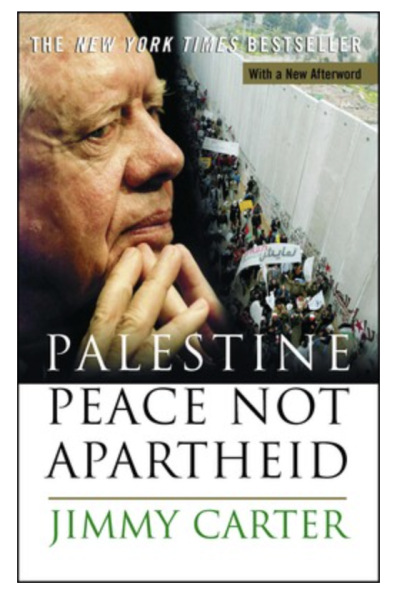
He was, then, one of our less successful presidents. But he was still only in his fifties; there was time for the rest of his life. With his life partner, Rosalynn, he founded the Carter Center at Emory University; under his leadership it became a major force for free elections worldwide. A devout Christian, he worked (literally) with Habitat for Humanity to build houses for poor people. He wrote dozens of widely read books, including Palestine: Peace Not Apartheid (2006) the first by a prominent American political leader to call attention to the injustices perpetrated by the Israeli occupation.
He was awarded the Nobel Peace Prize in 2002.
Rejected by his country in 1980, he lived a long and productive life for 44 more years, becoming widely beloved and respected.
He faced death tranquilly, in the certainty that the God he loved all his life will take him in His arms.
Comments

Powered by RoundtableAn AI/DeFi-powered Enterprise Media Operating System. Learn more at Roundtable.io.© Roundtable 2026. By using this site you agree to the Terms of Use and Privacy Policy