


Aug 31, 2023 1:00 PM
Updated Sep 1, 2023 4:18 PM
God is not new to baseball, but its persistent inclusion seems to ignore cultural evolution and shifting ideological contexts.
A few days ago, my local little league team walked away the world champions of the Little League World Series. In an even and nerve-wracking match with Curaçao, El Segundo player Louis Lappe hit a walk-off homer that had a massive crowd gathered on George Brett Field in El Segundo’s beloved Rec Park jumping up and down and cheering. In an interview that followed, Lappe talked about his friendship with the opposing team—a byproduct of all the time the players spent together in dorms in Williamsport.
The Little League World Series is about baseball, yes, but it demonstrates the forward-looking space which Little League International seeks to occupy. In this year’s Little League World Series, 10 teams from outside of the U.S. competed, including teams from Taipei, Nicaragua, Puerto Rico and Japan. This is a pursuit of the MLB as well—a quest for global integration. A quest we all know begins with understanding local and cultural contexts, reflecting and respecting them and offering a value-add.
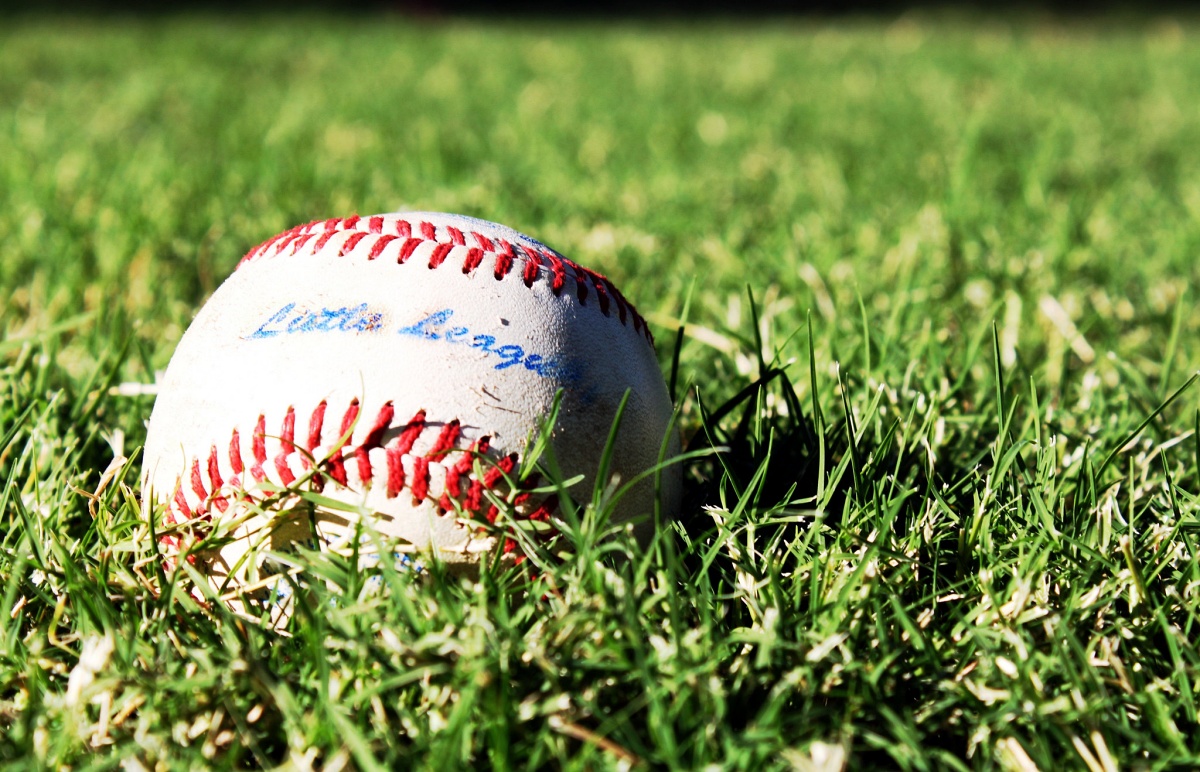
Just behind the television screen setup on Brett Field, was a banner with the Little League Oath printed on it—a reminder of my own quest earlier this year to remove the Little League Oath from our local chapter’s game day proceedings. Among its text are the lines: “I trust in God, I love my country and I will respect its laws.”
The Little League Oath was born out of the Pledge of Allegiance. The original version of the Pledge of Allegiance, drafted in 1892 to mark the 400th anniversary of Columbus’ expansion to the Americas, was a marketing tool. But in the 1950s, amid the Red Scare, groups like Catholic fraternal order Knights of Columbus petitioned for addition of “under God” to its text. In 1954, Eisenhower signed this bill into law, and the Little League Oath, which is largely adapted from the Pledge of Allegiance, was born soon after.
Related stories
God is not new to baseball, but its persistent inclusion seems to ignore cultural evolution and shifting ideological contexts. It also ignores the purported interest and aim toward inclusivity, diversity and equality that everyone from Little League to the Dodgers daily harps on and claims to believe in. Demographics have shifted. As of 2021, 29% of Americans identify themselves as atheist, agnostic or no religion in particular, a number that is 10% higher than a decade ago, according to Pew Research Center.
Today, as an atheist, woman and person of color, I continue to grapple with where my place is in a landscape that has been so dominated by white male America.
I was raised Jain, a religion that prioritizes non-violence and openness. As a kid, I was painfully aware of how different our white, Christian neighbors perceived us to be. My brother and I endured teasing remarks like “red dot.” Today, as an atheist, woman and person of color, I continue to grapple with where my place is in a landscape that has been so dominated by white male America.
Little League is not just a hallmark of youth, but an opportunity for our kids to develop important skills in safe spaces—skills like teamwork, collaboration and sportsmanship, as exhibited by our team consistently raising their hats to their just-defeated opponents. It is a space that is at odds with a past that was all-male, all-white and God-fearing. The Little League Oath is antiquated and celebrates a time when so many players we saw on the field last week wouldn’t have been able to play.
The recent baseball season, when I watched five-year-old rookies, including my own son, recite the pledge, I felt a discomfort I’m far too used to experiencing. I wondered: what does God have to do with baseball and is it appropriate to speak of God to kids who do not yet grasp the concept of religion in the first place?
Following a letter I sent to our Little League president, our local little league temporarily halted recitation of the oath for the youngest players. They also removed the banners from the youth fields, though one remains up at Brett Field. Despite this, some coaches continue to carry on the tradition—perhaps in deference to their past, perhaps in protest.
Meanwhile, a few weeks ago, the Dodgers hosted Christian Family and Faith night—a call for religious community they failed to echo in people of any other religious beliefs. It makes sense that there is resistance to change; tradition is so deeply embedded in small town sports, and in national pasttimes like baseball that have become part and parcel of what it means to be American.
But now that those definitions are changing, our traditions should progress as well. Whether we rewrite the oath or replace it with a new emblem of sportsmanship, we cannot ask our youth to look toward the future while continuing to cling to the past. A global space for baseball means threading a cultural fabric that promotes diversity everywhere, including on paper.
Comments

Powered by RoundtableAn AI/DeFi-powered Enterprise Media Operating System. Learn more at Roundtable.io.© Roundtable 2026. By using this site you agree to the Terms of Use and Privacy Policy