



Apr 19, 2025 2:05 AM
Are They Listening—Or Just Watching? When Public Service Crosses the Line Into Surveillance
In a city known for its picturesque streets and storied history, a modern-day dilemma is unfolding—one where government staffers tasked with serving the public are accused of surveilling the residents they’re meant to represent.
This story is not just about politics. It’s about the erosion of trust and transparency—particularly in a space where open dialogue should thrive: social media.
Pasadena’s “Pasadena Politics” Facebook group, the city’s most active public forum for political discourse, has long served as a virtual town square. It’s where residents hash out ideas, challenge policies, and voice grievances. But in recent months, something troubling has been bubbling beneath the surface.
City staffers, including those working directly for Mayor Victor Gordo, have been removed from the group.
Related stories
City staffers, including those working directly for Mayor Victor Gordo, have been removed from the group. Some were blocked. Others found their presence publicly questioned. These developments raise more questions than answers.
As the group’s moderator, I’ve witnessed firsthand the tension that surfaces when those in power engage with constituents—especially when that engagement begins to feel less like participation and more like surveillance.
I’ve received emails from concerned community members who felt their posts were being monitored by city employees. Public records requests revealed that names of residents opposing certain city actions were flagged. Worse still, internal correspondence carried a tone that ranged from unprofessional to retaliatory.
One moment stands out.
At a June 2024 press conference—held in response to allegations made by an African American Pasadena police officer who says he faced discrimination and retaliation by Police Chief Eugene Harris—Vannia De La Cuba, Deputy to the Mayor, approached me.
Chief Harris, in a video statement, claimed the officer’s allegations “unequivocally” did not happen.
During this emotionally charged event, De La Cuba asked why she had been blocked from the Facebook group. The timing felt off. We were surrounded by others, including the officer’s family. Her question wasn’t framed as a respectful inquiry—it felt like a challenge.
After the press conference, I followed up with her by email. I wrote:
“Your question about being 'blocked' from a social media page caught me off guard and perhaps was inappropriate in the presence of an officer's parents. They were a bit put off when I informed them of your position within the mayor’s office. Perhaps that would have been a good opportunity to express concern to the family and not an admonishment about social media access.”
But the real concern wasn’t just about that moment. It was about intent. I asked:
“Some active participants have raised concerns about city staffers surveilling the page to monitor or retaliate against advocacy. Can you clarify your question about access to the page?”
To date, De La Cuba has not responded.
Since then, I’ve seen her at various public events, including Pasadena’s Black History Month Festival. Still, she has yet to address the issue with me directly. The absence of a response felt like another missed opportunity—a chance to offer transparency and build trust. Instead, it seemed like another attempt to avoid the uncomfortable communication she initiated.
As a public servant, I believe it is vital for government officials to engage openly with constituents—not observe them from a distance. Pasadena’s history is rooted in the fight for civil rights. We should know better.
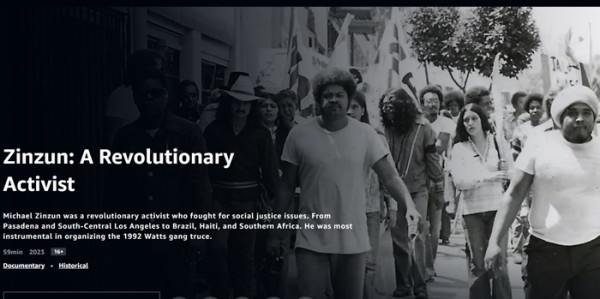
Let’s not forget Michael Zinzun—a Pasadena-based civil rights activist whose life was marked by an unflinching stand against police brutality. Zinzun was targeted by the LAPD, which kept records of his activism and treated him as a threat. This kind of surveillance isn’t just part of our past—it’s present. Law enforcement and other government bodies have continued to monitor social media, tracking those who dare to speak out.
And now, it seems that surveillance culture has crept into local government.
This isn’t just a matter of privacy—it’s a matter of trust. When city employees engage in public forums for reasons other than civic engagement, it raises a crucial question: Are they listening—or just watching?
So here’s my invitation to Deputy De La Cuba. This isn’t about confrontation. It’s about dialogue.
Pasadena needs officials willing to engage honestly, answer difficult questions, and admit when boundaries have been crossed. If nothing else, I wish De La Cuba had used that moment at the Black History Month Festival to address this issue in person. A simple acknowledgment could have gone a long way.
I see you, Vannia.
This is an invitation—not a reprimand. Let’s use this moment for an honest conversation that can help heal the rifts, restore trust, and build a Pasadena that doesn’t just talk about inclusivity but actively practices it.
Comments

Powered by RoundtableAn AI/DeFi-powered Enterprise Media Operating System. Learn more at Roundtable.io.© Roundtable 2026. By using this site you agree to the Terms of Use and Privacy Policy