


Aug 10, 2018 3:36 AM
Updated Feb 10, 2022 11:02 PM
Hans Johnson: As a new school year starts, his departure leaves lessons about representation, and misrepresentation, in the communities that narrowly elected him three years ago and throughout metropolitan L.A.
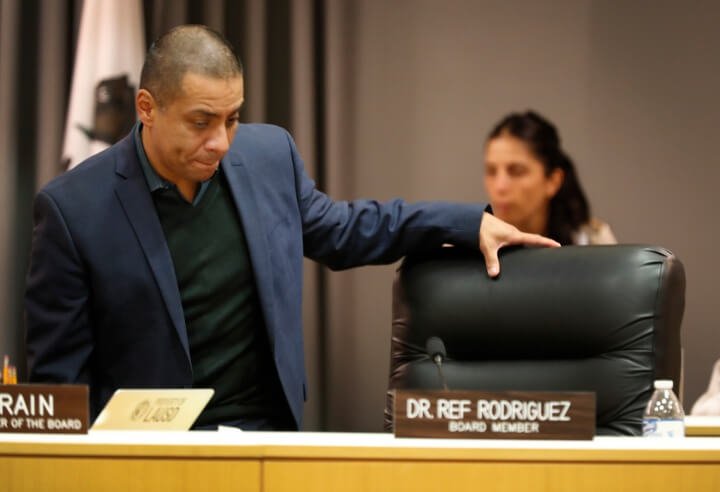
In resigning from the L.A. school board last month, Ref Rodriguez pled guilty to felony conspiracy, admitted to money laundering, and agreed to pay a $100,000 fine to the ethics commission. Downfall of the longtime charter-school treasurer opens a seat on the board of the school district with the second most students in the nation, 18 percent of them in charter schools.
As a new school year starts, his departure leaves lessons about representation, and misrepresentation, in the communities that narrowly elected him three years ago and throughout metropolitan L.A.
As a new school year starts, his departure leaves lessons about representation, and misrepresentation, in the communities that narrowly elected him three years ago and throughout metropolitan L.A.
First, Rodriguez’ exit amid a criminal trial for manipulating money and his public disclosure statements shows the gulf in openness between some private charter-school operations and the public sector. Several charter schools in L.A. County face challenges over their accounting standards, dramatized by the FBI raid on the Celerity schools’ offices in 2017. Rodriguez himself faces an ongoing probe by federal investigators for writing checks to entities he had a financial stake in, which came to light along with his scheme of fraudulent reimbursement of phony donations. Besides disserving the public, this shortcoming in the area of financial oversight could hurt the reputation of candidates closely aligned with charter schools when they face voters.
Second, Rodriguez’ misdeeds prompted an unusual outcry from a diverse group of community leaders, including Neighborhood Council members, current and retired education professionals, and former members of the L.A. school board. Protests centered on misrepresentations in his campaign and intensified this spring when he stayed on the board after his arrest during work hours for public drunkenness. They highlight a healthy and growing concern for integrity in representation in governing bodies for Angelenos in communities along the L.A. River. Voter turnout in local and state elections in neighborhoods in the eastern parts of the county often comes in at half that witnessed in Westside and Valley districts. But civic engagement among voters in Eastside and adjacent communities is making a comeback.
Related stories
Whistle-blowing over Rodriguez’ fraud is a case in point. It did not take rocket scientists to spot a suspicious pattern of low-wage workers employed by his chain of charter schools supposedly finding $1,000 or more in the closing days of 2014 to make lavish donations to Rodriguez’ campaign for school board. It did, however, take alert citizens. Many of us answered questions from neighbors about the fraud we detected while sorting through strong feelings about charter schools and traditional public schools that predated and persisted long after the 2015 contest for the District 5 school-board seat.
More than two years later, Rodriguez was arraigned for three felonies and twenty-five misdemeanors stemming from his fraudulent effort to pay back contributors and create a falsely inflated sense of grassroots support. One year after that, he fessed up and stepped down.
But why Rodriguez did not admit his misdeeds earlier and seek to make amends is a window into the struggle for authority playing out on L.A.’s school board and other elected offices at the local and state level. Now, who fills Rodriguez’ former seat—representing Los Feliz, Atwater Village, Silver Lake, Highland Park, and Eagle Rock and Maywood, Bell, Cudahy, and Huntington Park—has high stakes.
The remaining trio of Rodriguez’ close allies on the board, beneficiaries of millions of dollars in charter-school promoters’ spending for their campaigns, should refrain from fighting to appoint a loyalist to their cause. Instead they should set a special-election date for the spring. That would allow district voters to meet candidates, evaluate their plans and credentials, and pick a new representative able to serve our communities’ needs.
They have an opportunity to end the appearance of gamesmanship with board governance that did in Rodriguez and is doing serious damage to the image of charter-school promoters.
Earlier this year, lobbyists for charter schools fought off a state legislative effort, AB 1478, to bring the same sunlight to their decision-making as shines on public schools’. All Republicans in the Assembly voted against the bill, joined by one Democrat. Many Democrats ducked the vote, including Assemblymember Laura Friedman, representing Silver Lake, East Hollywood, Atwater Village, Los Feliz, Glendale, and Burbank. She was elected in 2016 in part through a parallel campaign by charter-school promoters that boosted her. This year’s legislation was doomed by Democrats who, like her, failed to vote. It was a short-term win against transparency, born of charter-school promoters’ big-dollar, bipartisan campaign spending.
Yet being laggards on honest accounting and open governance just increases the odds that charter-school promoters can suffer more scandals like the one that ruined Ref Rodriguez. Better attuned than ever to the stakes for representation on our school board, more Democrats and other L.A. County voters are not playing along.
Hans Johnson
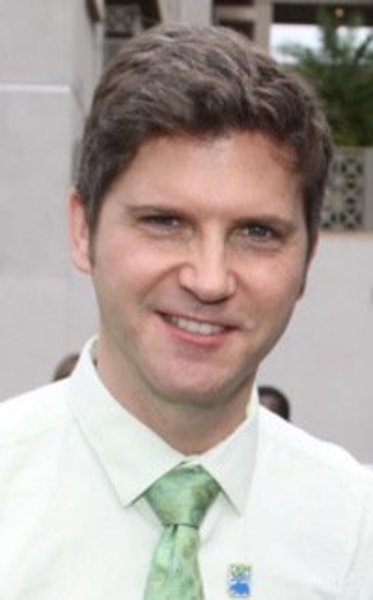
Hans Johnson's columns and commentary appear on the HuffPost and newspapers’ op-ed pages nationwide. A former chair of his union chapter, he is former board chair of the Ballot Initiative Strategy Center Foundation and former vice chair of the board of the National Gay & Lesbian Task Force. He now serves as president of the East Area Progressive Democrats (EAPD), based in Los Angeles and which, since its founding in 2014, has grown to more than 900 members to become the largest group of grassroots Democrats in Southern California. He lives in Eagle Rock.
Comments

Powered by RoundtableAn AI/DeFi-powered Enterprise Media Operating System. Learn more at Roundtable.io.© Roundtable 2026. By using this site you agree to the Terms of Use and Privacy Policy