


Apr 12, 2023 8:50 PM
Updated Feb 28, 2024 10:08 AM
A major issue for Councilmember Hernandez—and for anyone representing any part of Los Angeles County—is the shameful housing and homelessness crisis.
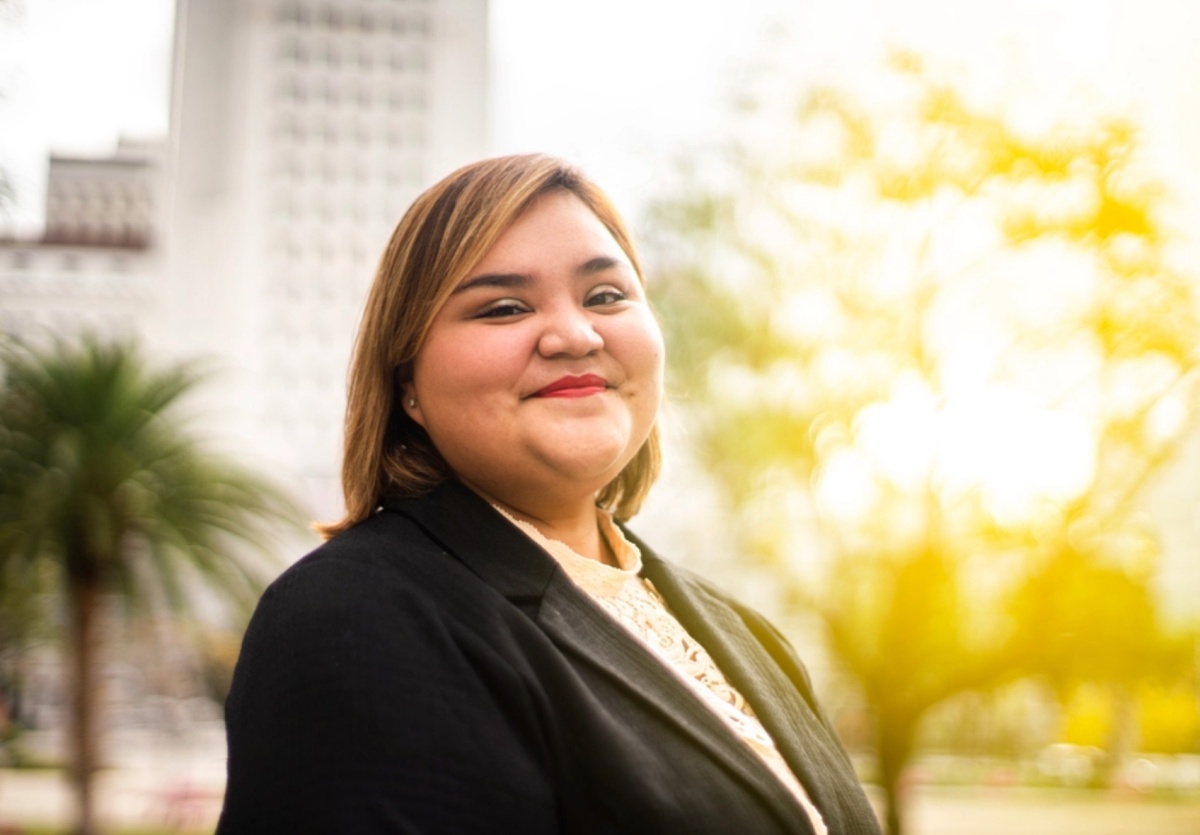
In what was surely a shock to LA’s old boy network, 32-year-old community organizer and activist Eunisses Hernandez sailed past long-time politico Gil Cedillo in last June’s primary—and this was well before Cedillo got caught up in that infamous leaked racist tape—to win a seat on the City Council.
Now that’s she’s been representing Northeast LA’s CD1 since December, Eunisses has begun grappling with the city’s many issues. Job one has been to restore faith in a city council that has suffered one blow after another with criminal indictments and convictions on top of that ugly taped conversation that brought down three city councilmembers.
“No one trusts us,” she says. “Look at the low turnout in the CD6 race last week.”
As part of a progressive bloc on the council with fellow newcomers, Nithya Raman and Hugo Soto-Martínez, Eunisses has been trying to create more access: “Letting people know when the meetings are, letting them know the bills we’re working on, making the council more transparent, more inclusive.”
Related stories
Restoring that trust will not happen quickly, she thinks.
A major issue for her—and for anyone representing any part of Los Angeles County—is the city's and region's shameful housing and houselessness crisis.
“LA has done a terrific job in housing people. Last year, the city housed 20,000 people,” she said. “The problem is, at the same time 25,000 people became homeless. We’re just not keeping up with the demand for housing. It’s an arterial bleed and we keep putting band aids on the problem.”
Eunisses is also working to create a robust alternative response program to cut down on the number of police shootings.
Hernandez is working with progressive allies Raman and Hugo Soto-Martínez to develop much-needed tenant and homeowner protections to keep people housed.
Eunisses is also working to create a robust alternative response program to cut down on the number of police shootings.
“We got sworn in in December and in January we saw three people get killed by the LAPD,” she says. “All three of them suffering from mental health crises. People of color.”
In her decade-long work as a community activist, Eunisses worked to build alternatives to incarceration and alternate types of crisis response so those kinds of things don’t happen.
As part of that work, Eunisses has worked to bring a delegation from Denver, Colorado’s two-year-old Support Team Assisted Response (STAR).
“In Denver, when someone dials 911, a STAR team comes out,” she says. “It could be led by a clinician, a nurse, or a community organizer.”
Last year, Denver STAR teams answered 5,500 calls, none of them relying on law enforcement.
“Of course, they do have co-responder teams that do include law enforcement when that’s needed.”
In talking with police officers in her district, they tell her they don’t want to respond to mental health calls, which mean they can’t respond to other crises where they’re really needed.
“I’ve told my team that if there’s a hill where I’m going to break my leg, this is it.”
Listen to our conversation with Eunisses—who represents our own district—and tell us what you think.
Comments

Powered by RoundtableAn AI/DeFi-powered Enterprise Media Operating System. Learn more at Roundtable.io.© Roundtable 2026. By using this site you agree to the Terms of Use and Privacy Policy