
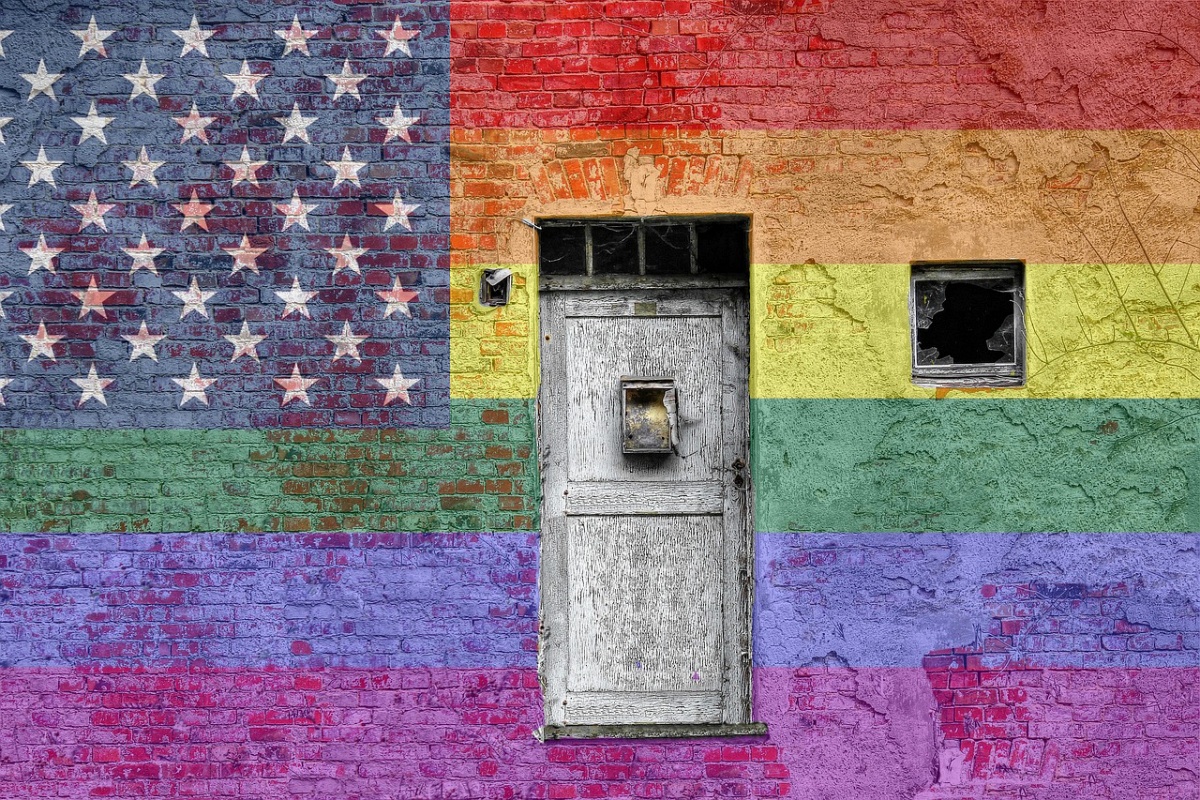
Image by Angela Yuriko Smith on Pixabay


My Sex Life
Oct 23, 2024 3:15 PM
I’m speaking of the rapid-fire queries about positions, preferences, and activities enjoyed in the bedroom that materialize out of left field.
Those of us who are bisexual+ operate in a unique space when it comes to sex and intimacy. As part of the wider LGBTQIA+ community, we’ve fought long and hard to promote the reality that sexual identity and gender identity are wide-ranging spectrums. We’ve fought even harder to be able to openly express our identities in all forms.
While the fight continues today, many of us are able to revel in the progress we’ve made towards liberation thus far. However, an uninvited consequence of these strides lingers over us like a dark cloud. This after-effect is a nearly ubiquitous experience for all the queer-identifying individuals in my life, but especially my fellow bi+ folks. It's daunting, a bit nauseating, and ridiculously predictable. I’m talking about the invasive, unsolicited questions regarding our sex lives—or what I like to call the dreaded interrogation.
When I say the dreaded interrogation, I’m not referring to questions shared between close friends when you’re already on the topic of sex. I’m speaking of the rapid-fire queries about positions, preferences, and activities enjoyed in the bedroom that materialize out of left field. Aside from being intrusive, this sort of questioning pressures bi+ people to validate ourselves to a degree that is not expected of our heterosexual counterparts–or even our lesbian and gay friends. Having fallen prey to the dreaded interrogation many times over the years, I’ve come to realize that it isn’t necessarily derived from a harmful place. I’ve also discovered that this conduct isn’t exclusive to straight people.
Bisexuality is genuinely fascinating, even to those who are a part of the queer community. This untamed interest is–at least in part–due to the deficit of bi+ representation and realistic portrayals of queer sex in media. The less you know about something, the more curious you’re bound to be. Although the impetus is natural and understandable, the behavior is alienating, nonetheless.
Related stories
No one should feel entitled to know the dynamics of another person’s sex life, no matter their sexual identity. After I started living as openly bi, I wasted so much energy agonizing over the dreaded interrogation. My answers were all over the place. I tried to be candid at first, but that only seemed to lead to more questions. I bought into respectability politics, moderated my online content, and adjusted my persona in different scenarios, all to no avail. As I entered my thirties, I abandoned the notion that there was anything I could do to prevent the inevitable siege of questions. I realized the best course of action is to get ahead of them. With that in mind, I’ve prepared a quick Guide to Respecting Bi+ Boundaries, for both the asker and the bi+ respondent.
For Bi+ Folks: I know it can be tiresome to have to endure the dreaded interrogation. First and foremost, I want to highlight that “no” is a complete answer. It’s imperative to uphold this ideal as we shift the narrative from “coming out’ as bi to “inviting in” those special people in our lives who are supportive and can be trusted to share in the information. If you don’t want to talk about something, you don’t have to. It’s as simple as that. You aren’t mandated to act as an ambassador for the bi+ community. You aren’t obligated to explain yourself to anyone, nor have all the answers about your own sexual identity. It’s a personal journey.
It’s important for further emphasize that no matter the breadth of your experiences, you are still bi. No matter the gender of your current or past partners, you are still bi. What makes you bi is your self-identification as bi. That said, if you do decide to engage in conversation about these topics, here are some responses you can use when asked uncomfortable questions:
- Is that an appropriate question to ask?
- That feels too personal.
- I’d have to get to know you better before I can share that.
- I only share those things with the people closest to me.
- I don’t feel this is the right venue for this discussion.
- I’m not comfortable discussing that.
- My partner/s wouldn’t appreciate me sharing that info, and I do not care to share it either.
For the Askers: We get it, you’re curious. Before you go asking a barrage of questions, take a moment to make sure you’re approaching the situation with kindness and respect. A good rule of thumb is to avoid asking anything you wouldn’t want to answer yourself. Here are some other tips to better help navigate your curiosity:
- Google is your friend. Not sure about something, look it up.
- If a Google search hasn’t returned the results you’re seeking, utilize message boards like Reddit to ask/search for questions that would otherwise be considered deeply personal (almost everything you could think of has already been asked and answered in a subreddit.)
- Do research. This could be as simple as listening to podcasts and engaging with sex educators via social media. Savage Lovecast and Sniffies Cruising Confessions are great pods to start with. Tia Savonne (IG: @slipp3rywhenwet) provides fun and informative sex ed posts via Instagram with a focus on Black and Queer issues.
- If you decide to ask questions, read the room first. How well do you know this person? Are you in a physical location or situation where they’ll feel comfortable responding? I’m not shy when it comes to talking about sex, but that doesn’t mean I want to discuss private details in certain settings, (i.e., school, new friend groups, work events, etc.)
- Start by asking the person for permission to ask a few sexual questions, before just launching into it.
Comments

Powered by RoundtableAn AI/DeFi-powered Enterprise Media Operating System. Learn more at Roundtable.io.© Roundtable 2026. By using this site you agree to the Terms of Use and Privacy Policy