
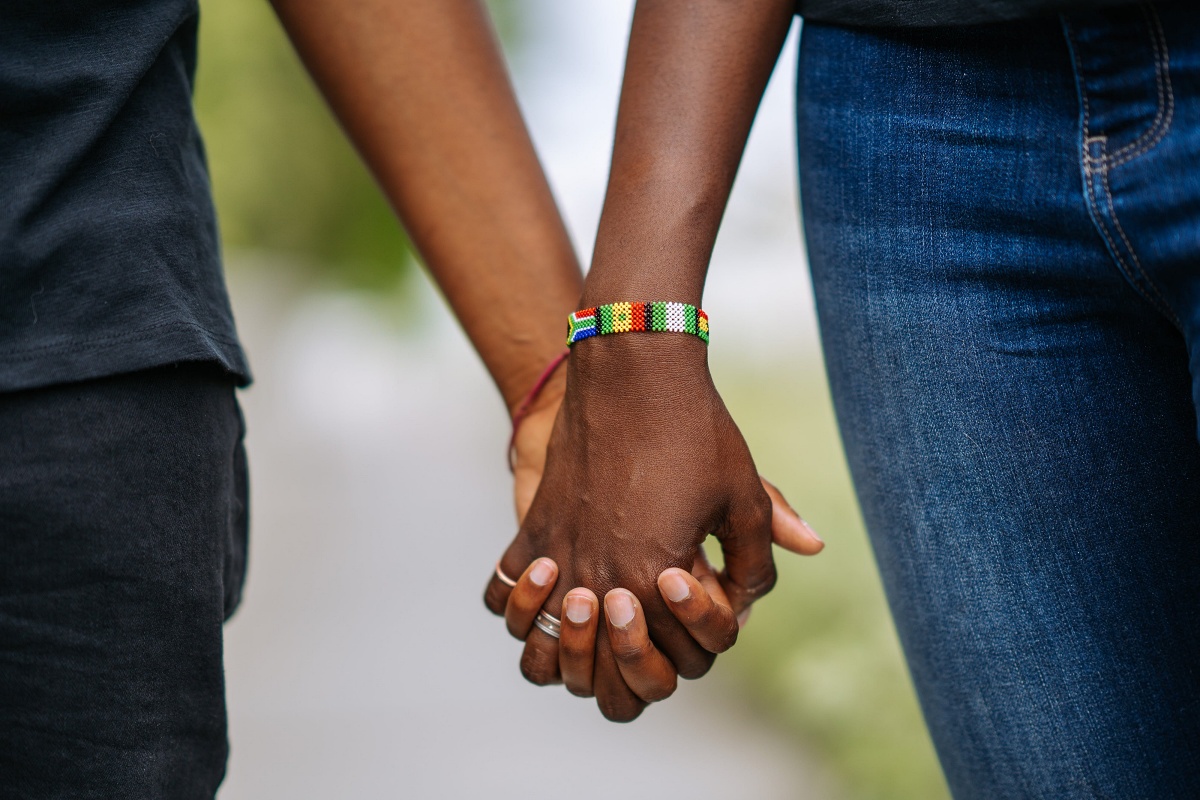
Photo by RDNE Stock project


Oct 27, 2023 1:00 PM
For many LGBTQ+ survivors of intimate partner violence, exiting and healing from an abusive relationship often opens way to coming out.
I experienced intimate partner violence (IPV) as a bisexual Latina. Yet because of how I look and the gender of the person that caused me harm, the mental health care system erased a big part of my identity. Bi survivors, especially BIPOC bi folks, deserve bi affirming care. Anything less is a roadblock to the healing process.
It’s been almost three years since I have been vocal about my experiences as a survivor of teen dating violence (TDV) and IPV. These years have consisted of various hours of therapy and self reflection. From cord cutting rituals to dialectical behavior therapy (DBT) therapy, I’ve tried so many things under the sun to process the abuse I experienced at the hands of an abusive ex-boyfriend.
From the moment I left the abusive relationship, I became more comfortable exploring and identifying with my bisexuality. For many LGBTQ+ survivors of intimate partner violence, exiting and healing from an abusive relationship often opens way to coming out. However, despite coming out as bisexual, the intersection of my queerness was not explored throughout my two years of therapy.
I didn’t just experience “psychological abuse” when this person would shame me into saying I was straight. I also was experiencing identity abuse and was harmed simply for being bisexual.
Related stories
The terminology to explain the identity abuse I experienced didn’t become available to me until I took a work training on how to support bi survivors of IPV. I didn’t just experience “psychological abuse” when this person would shame me into saying I was straight. I also was experiencing identity abuse and was harmed simply for being bisexual. “You aren’t gay” would turn to “Just say you’re closeted and that’s why you can’t sleep with me”. It all tore me down and “I am straight” became a personal depleting mantra. Six years of my life were marked by biphobia and identity abuse.
However, since the abuser was a cis het man, domestic violence and mental health care providers perceived my relationship as a cis-het relationship. My bisexuality was erased and minimized throughout my healing process.
For months, my desk was filled with books about domestic violence and gender-based violence. I related to a lot of things. I identified as a woman who experienced multiple forms of abuse caused by a man. Yet, something was missing. I did not feel fully seen. When I mentioned being bisexual in therapy my therapist questioned me, “How do you know?” I stuttered and said, “I’ve never dated women, but I know I have felt love for them. I have love for everyone”. In reality I wanted to defensively proclaim that I have always been bisexual and my bisexuality is not a trauma response. Maybe my therapist didn’t think that, but it’s such a common misconception that I shut out of fear of being misunderstood again. I continued therapy but compartmentalized my queerness.
Looking back now I would have responded differently, and I wish I had experienced competent therapy to have helped me respond differently then. I would’ve said, “I’ve always known. I was in love with my best friend at 11 and 16. They were beautiful.” I probably would’ve mentioned the days I stayed up reading WLW (women-lvoing-women) books in elementary school. Or described how at 12 years old, I was becoming comfortable with my sexuality but that confidence disappeared the moment I entered this biphobic and abusive teen relationship. I would have described the nights I felt afraid that one day he would out me to my family. The nights I was questioned on my sexuality simply for not wanting to partake in intercourse. I would have said it all. Cried the tears I held in and released the shame.
How different would my healing process have been if I had received bi affirming care? How much sooner would the shame around my sexuality have disintegrated if I had been given the vocabulary to describe the biphobia and identity abuse I experienced throughout my youth? The answer is, my healing would’ve still been both liberating and painful, but I would have been validated. I would have felt seen. Bi erasure is so common in our society it’s so easy as a bisexual person to gaslight yourself to involuntarily partake in it as well. I know I did. I compartmentalized my queerness and bisexuality.
Now my story of resilience and survival has evolved. I am an out Bi Latina survivor. My reality has so many intersections. Some that can burden or privilege me. Beneath it all though is my humanity. A humanity that all providers should uplift.
Comments

Powered by RoundtableAn AI/DeFi-powered Enterprise Media Operating System. Learn more at Roundtable.io.© Roundtable 2026. By using this site you agree to the Terms of Use and Privacy Policy