
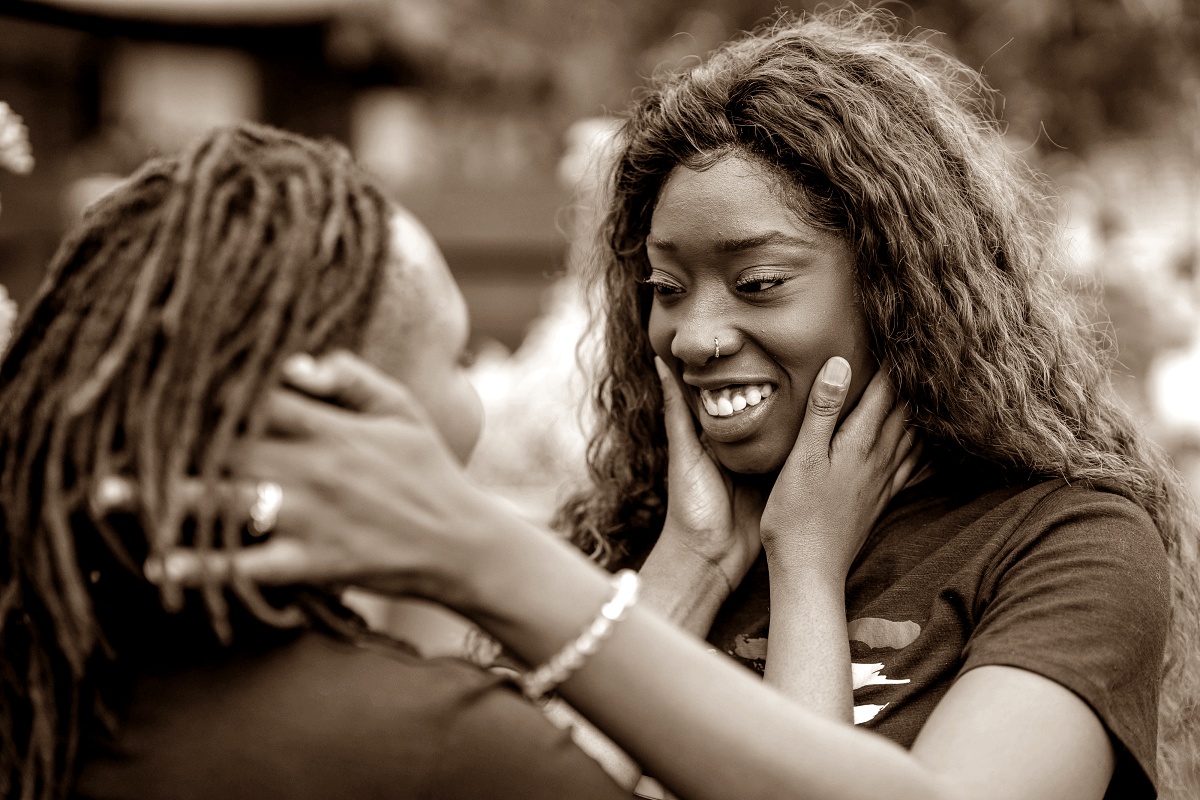
Photo by RDNE Stock project


Oct 31, 2023 4:42 PM
Updated Oct 31, 2023 5:30 PM
The hypersexualization and objectification of Black bodies, coupled with biphobia, can lead to a sense of being seen as less-than or deviant.
Being a part of the LGBTQ+ community, specifically as a bisexual Black person, should have brought a sense of liberation. Instead, I am often left wrestling with imposter syndrome. In a world where our identities are as multifaceted as the diamonds we truly are, being Black and bisexual can sometimes feel like an intricate dance of self-discovery and resilience.
I've been out of the closet for a while now, though not as proudly as I'd like. Even though I've taken the courageous step of coming out, a part of me still struggles with self-doubt, feeling like I'm not "queer enough." It's as if the weight of years spent in the closet still lingers in the shadows of my mind, casting doubts on my identity.
Every day, I find myself trying to express my queerness in subtle ways, testing the waters of authenticity. But each time, a chorus of negative thoughts creeps in, whispering that I'm being fake, that I'm just seeking attention, that this isn't "real" queerness. It's frustrating because, on some level, I know these thoughts are irrational, yet they persist, undermining my self-esteem.
The queer community is a diverse tapestry, woven from countless experiences, identities, and stories. While I've made an effort to educate myself about this vast spectrum of queerness, there are still aspects that leave me feeling unsure. I often find myself questioning whether I truly belong, whether my experiences are valid, or if I'm just an interloper. It's as though my prolonged stay in the closet has left me with a sense of inadequacy that's hard to shake.
Related stories
To make matters more challenging, biphobia is a pervasive issue in both the heterosexual and homosexual worlds
To make matters more challenging, biphobia is a pervasive issue in both the heterosexual and homosexual worlds. I've faced the disheartening reality that some people don't see bisexuality as a valid sexual orientation. It's as if I'm caught between two worlds, not entirely embraced by either. Heteronormative society often expects me to conform to the binary norms of straightness, while parts of the LGBTQ+ community may not fully accept me because I don't fit neatly into the categories of gay or lesbian.
The harsh reality is that biphobia is all too real. Bisexual individuals often find themselves subject to stereotypes and misconceptions. Some believe that we're simply confused, promiscuous, or using bisexuality as a stepping stone to being gay.
The intersection of bisexuality with my Black identity adds another layer of complexity. Stereotypes and prejudices against Black individuals and the LGBTQ+ community combine to form a unique and often alienating experience. The hypersexualization and objectification of Black bodies, coupled with biphobia, can lead to a sense of being seen as less-than or deviant. It's a painful reality that Black bisexuals have often grappled with throughout their lives.
These hurtful notions only serve to exacerbate the feelings of inadequacy that I already grapple with. But I know that as a Black bisexual person, I carry an immense legacy of resilience and strength, which can be harnessed to pave the way for future generations.
While it remains a daily struggle to overcome imposter syndrome, I've come to realize that I don't need to prove my queerness to anyone. It's not about conforming to stereotypes or meeting other people's expectations; it's about embracing my authentic self. My queerness is valid, even if it doesn't fit neatly into preconceived notions of what it should be.
Over time, I've found solace in connecting with others who share similar experiences. My queerness is not defined by the acceptance or rejection of others. It's defined by my own understanding of who I am. I've learned to accept that my journey is unique, and my place within the LGBTQ+ community is legitimate.
Though the battle with imposter syndrome is ongoing, I've also come to understand that it's a shared struggle. Many members of the LGBTQ+ community, regardless of their specific identity, have faced or continue to face similar feelings of doubt and insecurity. By sharing our stories and supporting one another, we can collectively work to dispel these shadows of self-doubt and build a more inclusive and accepting world.
In the end, being queer and Black is not a matter of fitting into a prescribed mold. It's about embracing the richness of our diverse identities and experiences. It's about being true to ourselves, even when the weight of imposter syndrome threatens to pull us back into the closet. It's about saying, "I am enough, just as I am."
Comments

Powered by RoundtableAn AI/DeFi-powered Enterprise Media Operating System. Learn more at Roundtable.io.© Roundtable 2026. By using this site you agree to the Terms of Use and Privacy Policy