



Oct 11, 2023 1:38 AM
Updated Oct 11, 2023 1:39 AM
LA Progressive & Hollywood Progressive are partnering with Rewrite the BiLine to expand bi+ representation in the media.
As we celebrate LGBTQ+ History Month, it is a perfect time to ask ourselves, what ways are LGBTQ+ people being erased from history?
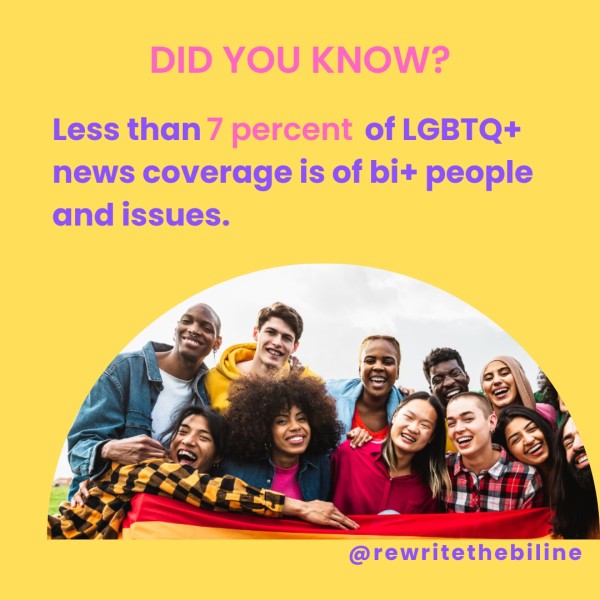
For one, we are largely leaving bi+ people, particularly bi+ people of color, out of the news. A new report by my organization, Rewrite the BiLine, found that although bi+ people make up between 58 and 62 percent of the LGBTQ+ community, less than 7 percent of LGBTQ+ print news coverage in the last 30 years is of bi+ people and issues. When bi+ issues are covered, bi+ people are rarely quoted.
Many of the articles we reviewed also perpetuate harmful stereotypes. This is done either directly through language choice or by the overwhelming media focus on just a few issues. In fact, approximately half of all the articles focusing on bisexuality were about either HIV and/or bi+ men’s ability to donate blood. While many of these articles contained helpful information for our community, right-wing organizations have historically weaponized HIV to advance misinformation and stereotypes. If most of the news articles we read about bi+ people today are associated with HIV, views on bi+ people will continue to be narrowminded and grounded in stigma.
News articles on race and LGBTQ+ issues are even more limited, and nearly non-existent on bi+ issues and race. One study argues that mainstream facets of the LGBTQ+ movement may have produced a largely normative LGBTQ+ minority in the media (i.e. white, monosexual, and cisgender) in the interest of achieving acceptance of homosexuality. This is not surprising as we know that white supremacy works in tandem with biphobia, transphobia, and homophobia. Unfortunately, the media’s white-dominant and binary views have contributed to generations of bi+ and trans people of color erased from the conversation.
Related stories
People tend to rely on media stereotypes to formulate ideas about people outside of their own social group, which often has huge societal impacts. For instance, the media’s biased coverage of criminal defendants of color contributes to public support for harsher punishments for people of color. Similarly, the biased media coverage of bi+ people has likely had a negative impact on the resourcing of our community. Less than 1% of domestic grant dollars awarded to LGBTQ+ communities goes toward bi+ communities and issues. This translates to less than $1.2M of domestic grant dollars awarded to bi+ people and issues in the most recent year for which data is available, according to Funders for LGBTQ+ Issues.
This needs to change. We need to rewrite the bi line so that we can rewrite the budget line and get our community the resources it deserves before it’s too late.
Bi+ people are paid less than gay, lesbian, and straight people. Bi+ people have higher rates of poverty and experience anxiety at higher rates than gay, lesbian and straight people. Nearly half of bi+ women have been raped, and bi+ people are 1.5 times more likely than gay and lesbian people to report suicidal thoughts. People of color, particularly Black bi+ people, fare far worse than their non-LGBTQ+ counterparts in employment, income level, food insecurity, and healthcare access.
The good news is that coverage of bi+ people and bi+ issues is increasing. Over the last three decades, we have seen an over 300 percent increase in the use of the term “bisexual” in print newspapers, according to our research. Other terms associated with the capacity to experience attraction to more than one gender were used with increasing frequency by newspapers. For example, we saw an increase in the use of the term “pansexual,” but with much more modest numbers.
This increase in coverage provides opportunities for journalists to include the voices of bi+ people, and especially bi+ people of color who experience multiple forms of oppression. If “bisexuality” is the main subject of a news article, there is no reason why the article should be published without quoting bi+ people. While short reporting deadlines often do not leave much time for journalists to gather stories of individual bi+ people, journalists can reach out to organizations led by bi+ people. And newspapers should make a concerted effort to accept and publish opinion editorials written by bi+ people.
To expand bi+ representation in the news, Rewrite the BiLine is partnering with media organizations, starting with LA Progressive and Hollywood Progressive, to provide a platform for bi+ people to help shape political and cultural conversations. If you identify as bi+, we want to hear from you. Submissions or pitches may be on any subject, but we are particularly looking to publish articles by bi+ people at the intersection of LGBTQ+ issues and race.
As states continue to advance a record number of attacks on LGBTQ+ rights, it is more important now than ever for bi+ people to be accurately represented in the media.
Comments

Powered by RoundtableAn AI/DeFi-powered Enterprise Media Operating System. Learn more at Roundtable.io.© Roundtable 2026. By using this site you agree to the Terms of Use and Privacy Policy