
Photo by RDNE Stock project


Say to a Bisexual Person
Sep 23, 2024 7:11 PM
If someone reveals to you that they consider themselves to be bi+, then that is them making their mind up.
Despite the progress made in many places, the B in LGBTQIA+ is often silent and regularly misunderstood. Too often bisexuals, or bi+ people (used broadly for anyone multi-gender attracted), are told or asked things that are inaccurate, hurtful, or just plain stupid.
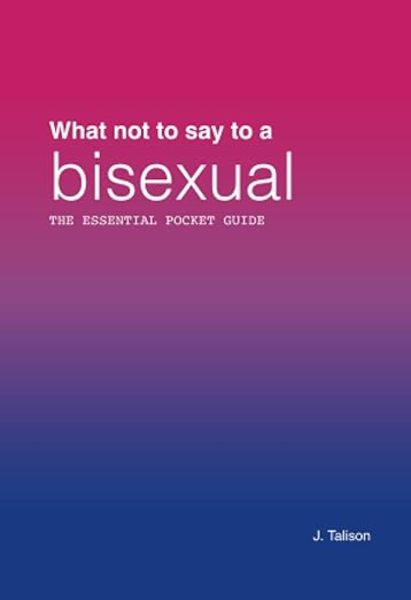
What Not to Say to a Bisexual (available on Amazon) is a guide created through conversations with a wide range of people across multiple countries, ethnic backgrounds, and age groups who identify as bi+, and their allies. It is about helping us all have better conversations about bi+ attraction and identity. It is intended for non-bi+ and bi+ people alike, especially those who cannot or do not want their sexuality as part of their public identity.
The following are some of the top things you shouldn’t say to or about a bi+ person, and why:
- “You're only half gay”—Being gay and bi+ are not the same thing. While some people may describe themselves as bi+ as part of discovering who they are, it doesn’t mean bisexuality is just a stop along the way to being gay. Because bi+ people experience an almost equal lack of acceptance from gay and lesbian people as they do from straight people, a bi+ person may also find it easier in some situations to let others assume they’re gay or straight rather than explain.
- “You're just confused”. Confusion is part of personal discovery which drives many people to seek out answers to who they are. But once someone feels they have found who they are and that being bi+ is part of that, then any confusion which led to it may usually be long gone or much reduced.
- “You'll make your mind up eventually”—If someone reveals to you that they consider themselves to be bi+, then that is them making their mind up. While some people may identify as bi+ as part of their own journey towards discovering and accepting who they are, most bi+ will not later identify as something else.
- “Bisexuals will always cheat. How can you be trusted?”—Infidelity isn’t determined by a person's sexuality and the mere fact someone is attracted to more than one gender doesn’t make them any more or less likely to be unfaithful. Trust is a personal thing built between two or more people regardless of sexuality and it is for them to maintain and determine what could damage or break it.
- “When were you last with a man / woman?”—A person’s sexuality is defined by who they are attracted to, not who they’ve been physically intimate with in the past. While being with someone of the same gender or another gender can help some discover, affirm, or celebrate who they are, a bi+ person does not need to disclose their dating or sexual history to be legitimate. Additionally, bisexuality is not binary; bi+ people are attracted to more than one sex, gender, or gender identity—which includes more than just “men” and “women.” Likewise, many bi+ people are themselves trans and non-binary.
- “Bisexuals have double the dating options”—Being bi+ doesn't mean someone is attracted to everyone and there may only be certain types of people of any particular gender they feel attracted to. Not to mention the bisexuality-based exclusion often experienced from potential partners can also tend to reduce the number of dating options.
- “Prove it. Are you real bi or fake bi?”—There is no way to prove any sexual identity and not accepting someone who identifies as bi+ based on some unscientific test is usually a reflection on the other person's values and experience. If someone wants to explain why they identify a certain way, then that is their choice, but you should not make or expect them to.
- “You don't look bisexual”—Some people express themselves in ways that could be described as openly queer but that doesn’t define who they are attracted to. The same goes for those who do not necessarily express their sexuality through their appearance. Bisexuality doesn’t define anyone's appearance.
- “You just haven't been with the right man or woman”—Sometimes you can meet someone and learn more about the world or yourself than you had ever known was possible. If someone has gone through the journey of realizing and disclosing they are bi+, then it’s best to believe them than think it's just temporary.
- “I couldn't date a bisexual”—Sadly, too many bi+ people get told this kind of thing too often. But a person refusing to date someone who identifies as bi+ reveals both their ignorance and differing values, which can be better to know upfront than wasting time and finding out later. Refusing to date someone because they are bi+ is biphobic and anti-LGBTQIA+.
Related stories
Comments

Powered by RoundtableAn AI/DeFi-powered Enterprise Media Operating System. Learn more at Roundtable.io.© Roundtable 2026. By using this site you agree to the Terms of Use and Privacy Policy