


Apr 4, 2026 6:27 PM
Updated Apr 5, 2026 1:44 AM
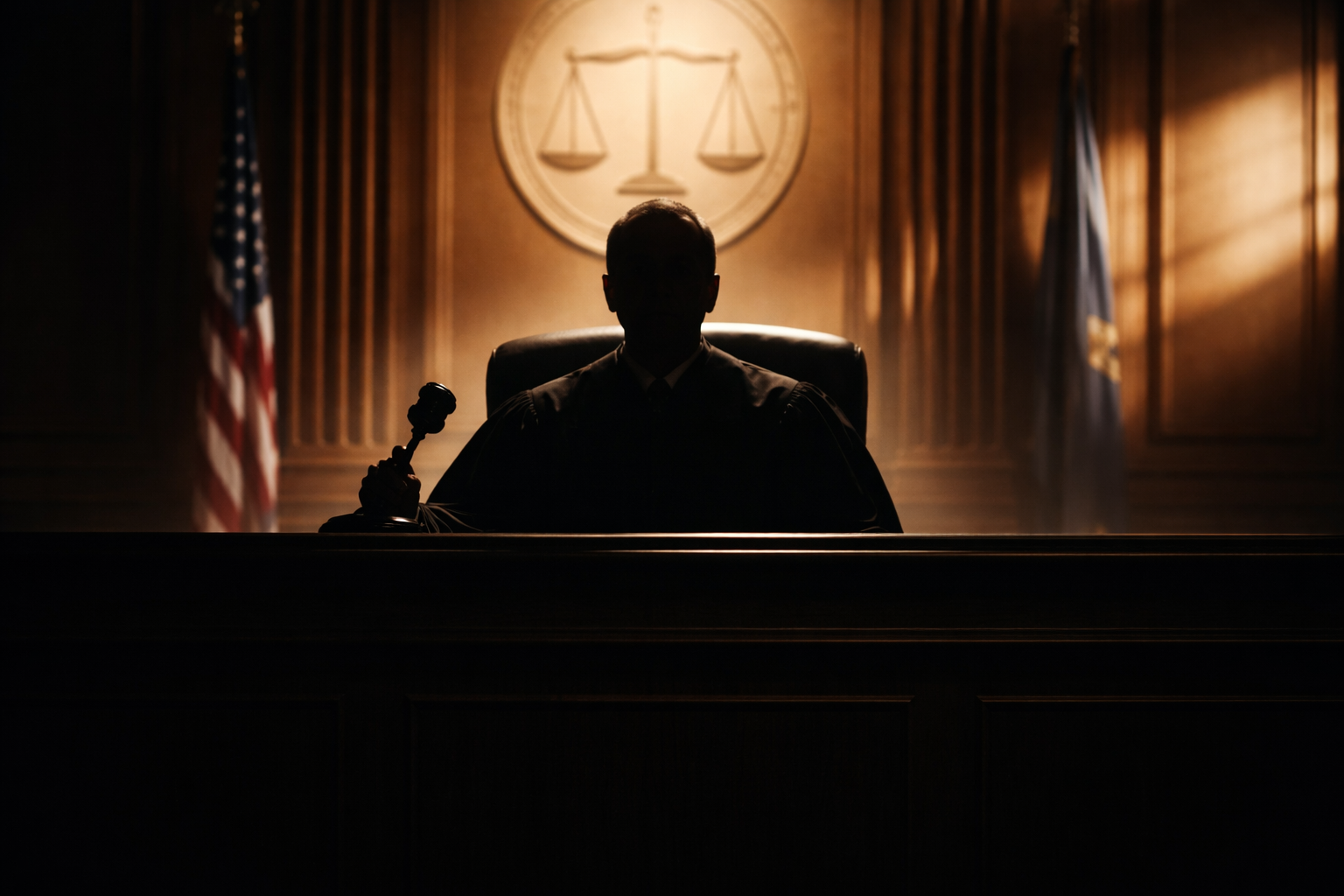
Donna Tryfman’s bid for the Los Angeles Superior Court puts a spotlight on who holds power in the courtroom—and who doesn’t.
From Advocate to Authority: A Question of Power
Donna Tryfman has spent nearly three decades as a public defender in Los Angeles, representing people whose lives are often shaped less by the facts of their cases than by the structure of the system itself. Now, she is asking voters to trust her with a different kind of power—not to challenge the system from the outside, but to help run it from the bench as a candidate for Los Angeles County Superior Court Judge, Office No. 131.
At first glance, the transition seems logical. Who better to serve as a judge than someone who has spent years defending those with the least power? But that question, while comforting, is also incomplete.
Because this is not just a career move. It is a transformation—from advocate to authority, from challenger of the system to enforcer of it.
Related stories
And that shift deserves scrutiny.
When someone who has spent a career standing beside the accused asks to sit in judgment over them, the public has a right to ask not just what they have done, but what they believe, what they have learned, and what they intend to do with power.
The System at Work
Los Angeles does not lack laws. It does not lack agencies. It does not lack procedures designed, at least on paper, to deliver justice.
What it lacks is a system capable of delivering those protections at the scale the problem demands.
A low-wage worker who experiences wage theft must navigate a maze of agencies, filings, delays, and procedural hurdles. A tenant facing eviction often stands in court against a landlord represented by experienced counsel while they struggle to understand the process. A criminal defendant’s outcome may hinge less on guilt or innocence than on whether they can afford adequate representation.
“We have a system of justice in this country that treats you much better if you're rich and guilty than if you're poor and innocent.” --- Bryan Stevenson
In theory, the system is neutral. In practice, it is anything but.
And judges sit at the center of that reality.
They do not write the laws, but they interpret them. They do not control who enters the courtroom, but they control what happens once people arrive. They are tasked with applying rules that often produce unequal outcomes—and doing so under the banner of fairness.
This is the paradox of the bench: judges are expected to be neutral actors in a system that produces anything but neutral results.
Which raises the central question of Tryfman’s candidacy: What can a judge actually change?
Because the constraints are real. Judges operate within statutes, precedents, and procedural rules that limit their discretion. They cannot rewrite the system.
But they do shape it—case by case, ruling by ruling, decision by decision.
They decide whether to grant continuances that give people time to prepare. Whether to recognize power imbalances in the courtroom. Whether to treat litigants as problems to be processed or as people navigating a system they did not design.
And those choices matter.
The Human Consequence
After decades as a public defender, Tryfman has seen the system from the side most voters never experience.
She has represented people who could not afford counsel. People who did not understand the charges against them. People whose lives unraveled not just because of what they did, but because of how the system responded.
That perspective is not theoretical. It is lived.
But here is the risk—and it is a real one.
The system has a way of absorbing even its critics.
Public defenders fight the system. Judges operate within it. And over time, the urgency that comes from standing beside the accused can give way to the routines of managing a courtroom, moving cases, and maintaining order.
That is not a failure of individual character. It is the gravitational pull of the institution itself.
So the question is not simply whether Tryfman has the experience to serve as a judge.
It is whether she can carry forward the perspective of a public defender into a role that often demands distance, neutrality, and adherence to rules that do not always produce justice.
And more importantly, whether that perspective can make a difference in a system that too often depends on people giving up.
Because in Los Angeles, the problem is not just that justice is hard to achieve.
It is that the path to it is so complex, so slow, and so opaque that many people never reach it at all.
The Question That Matters
Judicial candidates are rarely asked the questions that matter most. Campaigns center on credentials, endorsements, and years of service. Voters are handed résumés when what they actually need is insight.
But this moment calls for something deeper.
When someone who has spent a career defending the most vulnerable now seeks to sit in judgment over them, the public deserves more than a biography. It deserves answers:
What have you learned about this system?
What do you believe needs to change?
And what, realistically, can you do about it from the bench?
Because in Los Angeles, the path to justice is so complex, so slow, and so opaque that the system effectively depends on people giving up.
The question is whether Donna Tryfman intends to disrupt that reality—or simply operate within it.
And while no candidate can fully answer that question in advance, background matters. Experience shapes instinct. It determines what a judge notices, what they question, and what they accept as normal.
For decades, the pipeline to the bench has overwhelmingly favored prosecutors—district attorneys and other government-side attorneys whose work centers on building cases and securing convictions in the name of public safety, even as many of those most affected, particularly young Black men, experience that system less as protection and more as surveillance and punishment.
Today, more than three-quarters of Los Angeles Superior Court judges come from prosecutorial backgrounds. Public defenders, civil rights lawyers, and legal aid attorneys remain the exception.
That imbalance doesn’t just affect who sits on the bench—it shapes how the system sees itself.
Which is what makes this race worth watching.
Because a judge who has spent decades standing beside the accused does not just bring experience. They bring a different set of questions, a different sensitivity to power, and a different understanding of what justice looks like when you are the one navigating the system rather than controlling it.
Whether that difference will matter in practice is an open question.
But it is one worth asking.
Note from the publisher: the LA Progressive will be sending out a voter's guide for the April 2026 primary election. Stay tuned.
Comments

Powered by RoundtableAn AI/DeFi-powered Enterprise Media Operating System. Learn more at Roundtable.io.© Roundtable 2026. By using this site you agree to the Terms of Use and Privacy Policy