


May 1, 2025 6:10 AM
Updated May 2, 2025 1:41 AM
Judge Hannah Dugan's shocking FBI arrest sends ripples through the legal system as tensions between Trump and the judiciary escalate
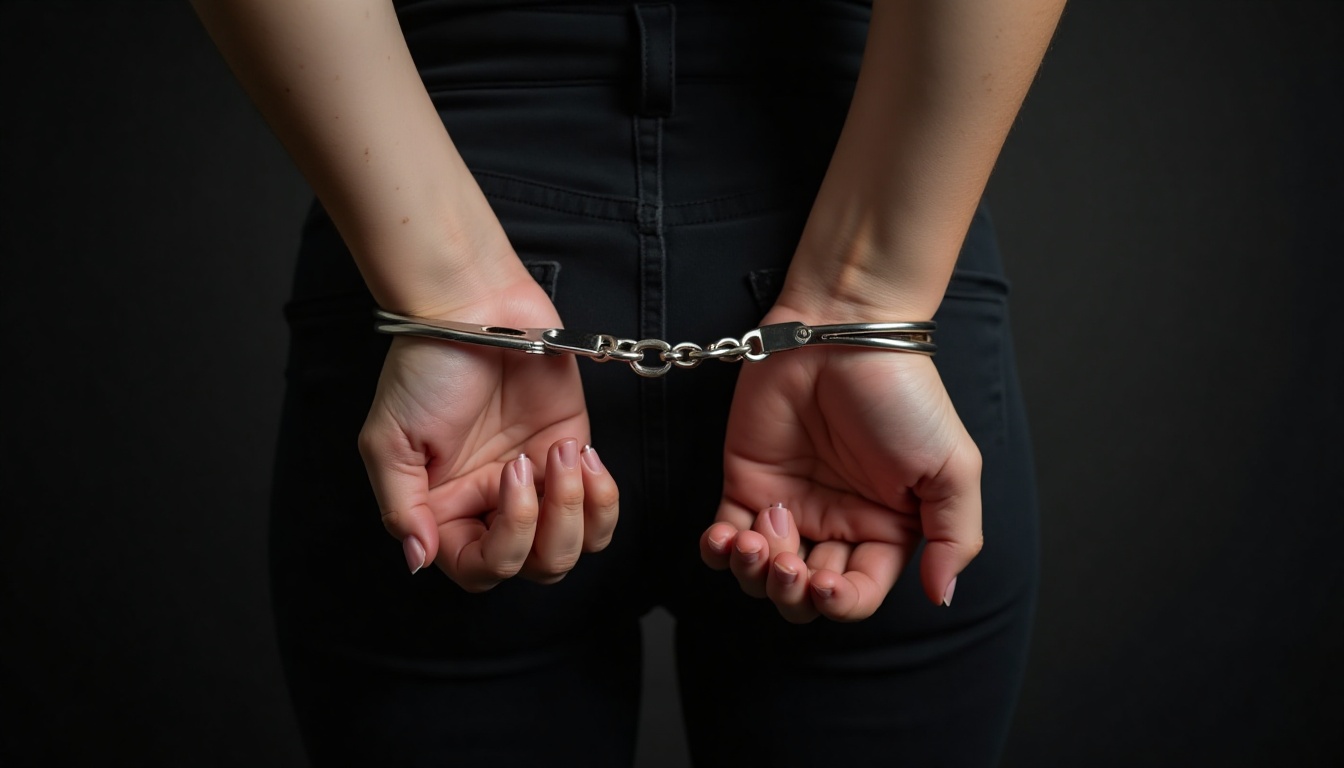
On April 25th, the FBI arrested Hannah Dugan, a circuit court judge who serves on the Milwaukee County Circuit Court in Wisconsin. She was taken away in handcuffs, a highly unusual maneuver–specifically, Judge Dugan was handcuffed and arrested by FBI agents at the courthouse where she presides, during court hours. The arrest was conducted publicly within the courthouse premises. She was led out in handcuffs, a move that has drawn criticism from legal professionals and observers who questioned the necessity and manner of the arrest.
Because this arrest is raising ire in the legal community, we asked former judge Bill Blum to give us a sense of whether the Trump administration's behavior was unwarranted. Is this behavior a sign that Donald Trump is launching an attack against the judiciary branch of government?
A Little Background on Wisconsin Judge Hannah Dugan
She was elected to serve on the bench in 2016. Judge Dugan has been recognized for her work in public interest law, including providing legal services to underserved communities. Her career has largely been characterized by professionalism and community service.
On April 25, 2025, the judge was arrested by the FBI, who charged Judge Dugan with two federal felonies: obstruction of justice and concealing an individual to prevent arrest. The charges stem from an incident on April 18, when Dugan allegedly assisted Eduardo Flores-Ruiz, a Mexican national facing domestic abuse charges, in evading U.S. Immigration and Customs Enforcement (ICE) agents who were waiting to detain him at the courthouse.
Related stories
According to the FBI, Judge Dugan directed Flores-Ruiz to exit the courtroom through a side door, allowing him to temporarily avoid ICE agents who were present with an administrative warrant, not a judicial one. Flores-Ruiz was later apprehended outside the courthouse.
The arrest of Judge Dugan sparked national debate, with critics arguing that it represents a politically motivated attempt to intimidate the judiciary and suppress dissent against the Trump administration's immigration policies. Supporters of Dugan assert that she acted within her judicial discretion and in defense of due process. Prominent Democrats, legal experts, and civil rights advocates have condemned the arrest as an overreach of federal power and a threat to judicial independence.
Dugan has not publicly commented on the charges due to judicial conduct regulations. Her legal representation has stated that she intends to vigorously defend herself against the allegations. In the meantime, her cases in the Milwaukee County Circuit Court are being handled by a reserve judge.
Although it is rare for presidents to engage in judicial matters, the Trump administration has had several unusual judicial interactions. Here are a few.
Judge Shelley M. Richmond Joseph (Massachusetts, 2019)
In 2019, Massachusetts District Court Judge Shelley M. Richmond Joseph was indicted by a federal grand jury for allegedly helping an undocumented immigrant evade Immigration and Customs Enforcement (ICE) agents. The case, known as United States v. Joseph, was notable as it marked the first time a sitting judge in Massachusetts had been indicted for criminal behavior since 1787. The indictment sparked a national debate about the federal government's immigration enforcement policies and their impact on state and local jurisdictions.
Judge Tim Nolan (Kentucky, 2017)
Tim Nolan, a former Kentucky state judge and local chairman for Donald Trump's 2016 presidential campaign in Campbell County, was arrested in 2017 on multiple charges, including human trafficking and unlawful transactions with minors. He pleaded guilty to 21 counts involving 19 victims, some of whom were juveniles, and was sentenced to 20 years in prison. Although his arrest was not directly related to his judicial duties, his political affiliation and role in Trump's campaign brought significant attention to the case.
Doxxing Judges
Reuters reported that during Donald Trump's two presidential administrations, U.S. Marshals have noted unusually high threat levels to members of the judiciary branch due to doxxing. Unfamiliar with doxxing? It is the public disclosure of personal information; often it is sharing home addresses. These doxxing incidents involving judges have often followed rulings that opposed the administration's policies. While these actions were not always directly orchestrated by the administration, they frequently stemmed from or were amplified by Trump's rhetoric and his allies' actions.
Judges Who Were Doxxed During a Trump's Administrations
Judge Derrick Watson (Hawaii, 2017)
After issuing a ruling that blocked Trump's travel ban targeting predominantly Muslim countries, Judge Watson's home address was posted online. He received numerous death threats, including calls for his execution, highlighting the dangers judges faced when making decisions counter to the administration's agenda.
Judge Bruce Reinhart (Florida, 2022)
Following his approval of the FBI's search warrant for Trump's Mar-a-Lago estate, Judge Reinhart's personal information, including his home address, was shared on right-wing platforms. This led to a barrage of antisemitic threats and forced his synagogue to cancel services due to safety concerns. PBS: Public Broadcasting Service
Judge John J. McConnell Jr. (Rhode Island, 2025)
After issuing an injunction against the Trump administration's federal grant freeze, Judge McConnell's daughter was doxxed by far-right activist Laura Loomer, who shared her employment details online. Elon Musk further amplified this by reposting the information, leading to increased scrutiny and calls for McConnell's impeachment by Trump allies.
Judges Paul Engelmayer and Jeannette Vargas (New York, 2025)
These judges faced intimidation tactics, including anonymous deliveries of pizzas to their homes—a method interpreted as a threat indicating their addresses were known. Such actions followed their rulings that limited access to sensitive Treasury Department data by Musk's "Department of Government Efficiency."
Implications for Judicial Independence
These incidents underscore a troubling pattern where judges who issue rulings unfavorable to the Trump administration become targets of doxxing and threats. While not always directly instigated by the administration, the environment fostered by its rhetoric and actions has contributed to a climate where judicial independence is under threat. Such tactics not only endanger the personal safety of judges but also pose significant risks to the impartiality and integrity of the judicial system.
The escalation of these threats has prompted increased security measures for judges and raised concerns among legal experts about the erosion of democratic norms and the rule of law in the United States.
Although Trump is no stranger to negative interactions with the court, Judge Hannah Dugan’s arrest by the FBI marks a dramatic escalation in tensions with the Trump administration and the judiciary, especially in light of the manner in which she was taken into custody -- in handcuffs, in public. But this is just the latest flashpoint in the ongoing drama known as the Trump administration. Stay tuned—we're bound to learn more on this and other unprecedented actions coming out of this administration in the months to come.
Comments

Powered by RoundtableAn AI/DeFi-powered Enterprise Media Operating System. Learn more at Roundtable.io.© Roundtable 2026. By using this site you agree to the Terms of Use and Privacy Policy