


Jul 5, 2026 5:18 PM
The 6–3 ruling in Landor v. Louisiana weakens congressional civil-rights protections and closes another path to justice for people harmed by state officials.
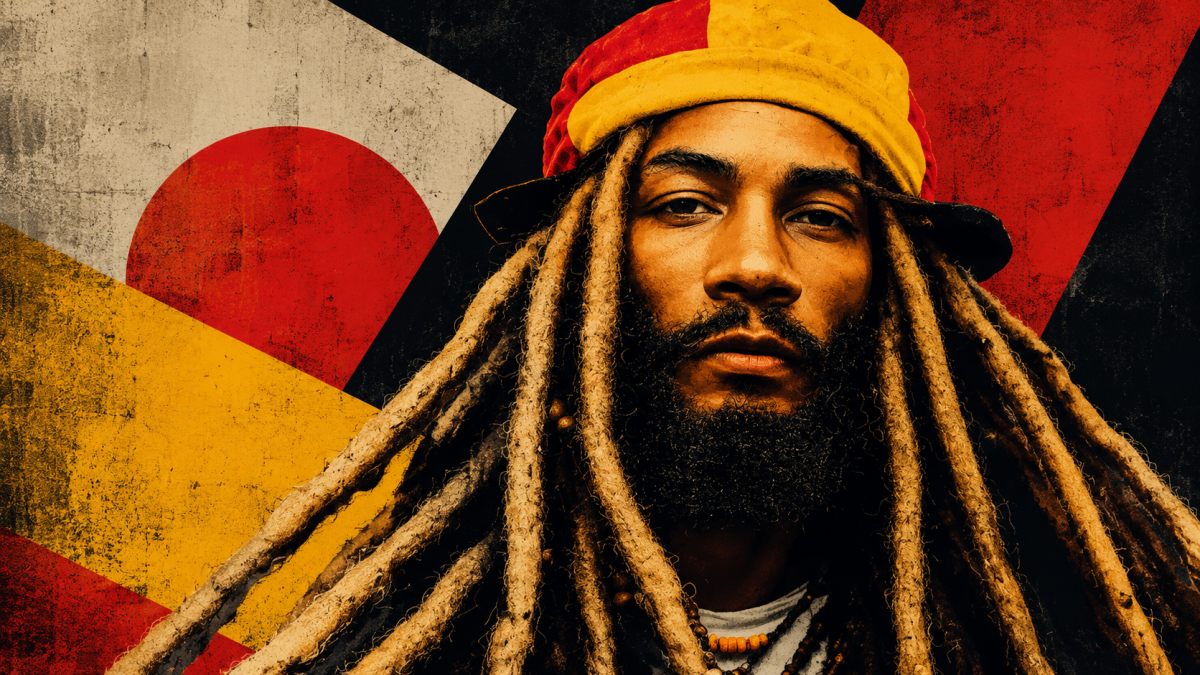
Welcome to a new version of America, courtesy of the Roberts Court. The Supreme Court's conservative majority in a 6-3 decision on Tuesday in the case Landor v. Louisiana Department of Corrections and Public Safety ruled that a practitioner of the Rastafari religion cannot sue Louisiana prison officials for shaving his head, an affront to his faith. It also was an affront to an act of Congress intended to uphold the right of prison inmates to practice their faith. The high court has decided that even Congress doesn’t have the power to mandate that states uphold basic civil rights. For members of religious minorities serving their time in prison, the justices have locked the doors to the federal courthouse from the inside, and those inmates can expect no redress when their rights are violated. This is especially troubling when, as in this case, nobody is disputing that Louisiana prison officials violated clearly established law. If officers cannot be sued individually, there is no right to recover money damages if employees in a state prison violate the civil rights of an inmate, because the state itself is protected by the 11th Amendment.
Every day, we as civil rights attorneys fight the broken doctrine of qualified immunity. It’s a standard that dictates that a police officer can only be sued if they have clear notice that their conduct violates a citizen’s constitutional right, based on identical or factually similar facts in a prior court case. As a rationale, supporters of qualified immunity say police officers should know the ground rules for their conduct, and anchoring the right to sue to prior court decisions gives officers the notice they need to regulate their conduct. However, the doctrine can be taken to absurd extremes with courts, for example, finding that conduct violates the 4th Amendment but that same conduct does not violate the 14th Amendment if there is no prior case on point analyzing the conduct under the 14th Amendment.
Qualified immunity isn’t the lens through which the Supreme Court let the officers off. Not this time.
Here, this brave Rastafarian, Damon Landor, literally handed guards a copy of a court order spelling out his right to wear his hair long. But there's a twist! Qualified immunity isn’t the lens through which the Supreme Court let the officers off. Not this time.
Related stories
Instead, this time the Supreme Court introduced a bizarre lens through which to view the case. They treated a violent assault on human rights like a corporate contract dispute, shielding these guards because they didn’t personally sign their names to a document pledging to respect an act of Congress. The justices have given state officials a new legal mechanism to override all kinds of civil rights. When considered alongside the doctrine of qualified immunity, we now see two major avenues blocked off that citizens can no longer use to win justice when their rights are trampled.
Writing for the majority, Justice Neil Gorsuch said that when a principal to a contract, in this case the Louisiana Department of Corrections and Public Safety, enters a contract with a third party, here the federal government, “as a matter of blackletter contract law the principal’s agents do not become ‘liable’ to the third party for their principal’s ‘nonperformance.’” However, this assumes good faith on the part of the actors. One of the challenges to imposing liability on low-level state officials for a federal contract entered into by the state is the difficulty of ensuring those officials are informed of their duties. It’s similar to the rationale for qualified immunity: police officers need to know the rules they are expected to follow. But in a rare quirk of fate, here the prison guards were notified of their duties when Landor handed them a court order. They just decided to throw that notice in the trash.
As bad as this ruling is for anyone who, like Mr. Landor, practices the Rastafari faith, the principles that are being violated here have widespread implications. Muslim inmates, for example, already struggle to win accommodations like halal food and they have filed the most complaints over the violation of their religious rights. They will also face a much greater likelihood of having their religious rights violated behind bars and perhaps even in other places where state and local officials are in charge. And it's not just religious minorities. What are the implications for women whose Title IX rights are violated at state-run universities? Will administrators involved in wrongdoing have a new pathway to get off scot-free? Justice Kentanji Brown Jackson, writing in dissent, was right to sound the alarm over the implications for all kinds of civil rights and environmental mandates that could be imperiled by this ruling, now that the Supreme Court has degraded the power of Congress. Will Congress fight back? It has not punched a hole in the cover of qualified immunity given to police officers. Will Congress act now that the Supreme Court has treated it like a junior partner and not a co-equal branch of government?
Comments

Powered by RoundtableAn AI/DeFi-powered Enterprise Media Operating System. Learn more at Roundtable.io.© Roundtable 2026. By using this site you agree to the Terms of Use and Privacy Policy