


May 27, 2018 8:00 PM
Updated Feb 10, 2022 11:06 PM
Larry D'Addario: Most police surveillance goes on under the public radar. Even most elected city officials are in the dark. What we don't know can harm us.
Surveillance Watch Op Ed
ACLU SoCal's Pasadena/Foothills Chapter in April filed a Public Records Act request for ALL records describing the use or potential use of any surveillance technology by the City of Pasadena, including the Pasadena Police Department (PPD). We asked about automatic license plate readers, cell phone site simulators, social media data aggregation services (Spokeo), body cameras, drones, surveillance/security cameras, radio wave devices, biometric readers, predictive policing software, and "any other equipment or special-purpose software" intended for surveillance of citizens.
We have received the City's response and are analyzing it for public release. Our ultimate goal, after reviewing the extent and type of surveillance being done by PPD, is to secure a city ordinance that preserves residents' and visitors' civil liberties (e.g. privacy) in the City's use of such technology.
Most police surveillance goes on under the public radar. Even most elected city officials are in the dark. What we don't know can harm us.
The City of Berkeley has recently passed such an ordinance and several other California cities are pursuing the same goal.
Related stories
Most police surveillance goes on under the public radar. Even most elected city officials are in the dark. What we don't know can harm us.
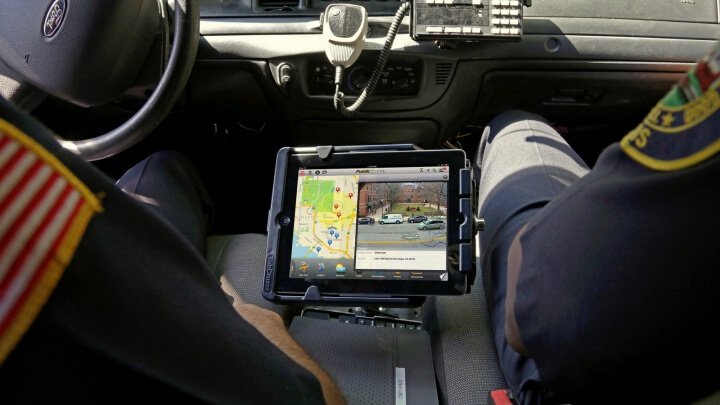
For example, we have learned that PPD has 9 patrol cars outfitted with Automatic License Plate Readers (ALPRs) taking photos of all vehicles in view as they drive through the city. The photos are saved with time, date and location. These devices create thousands of records each week, and they are stored for two years. Although the City of Pasadena has agreed not to do the work of the federal Immigration and Customs Enforcement agency, it was recently revealed that virtually all PPD data, including ALPR records, is accessible to ICE via COPLINK, a data-sharing program little known outside law enforcement circles. See also "Technology Turns Our Cities into Spies for ICE, Whether We Like It or Not", Los Angeles Times, May 2, 2018
If you'd like to help make Pasadena Police Department's use of surveillance technologies transparent and accountable to the public, contact us at [email protected] .
Larry D'Addario
Surveillance Watch Update
On behalf of the Surveillance Task Force of ACLU Pasadena-Foothills Chapter
Comments

Powered by RoundtableAn AI/DeFi-powered Enterprise Media Operating System. Learn more at Roundtable.io.© Roundtable 2026. By using this site you agree to the Terms of Use and Privacy Policy