


Mar 24, 2023 4:43 PM
We need a diverse range of perspectives in policing, from patrol officers to chiefs, to build stronger relationships with our communities.
Between the murder of George Floyd in the summer of 2020 and now the death of Tyre Nichols, policy makers have failed to act on reforms that would protect our communities, increase trust in law enforcement and create more inclusive police departments.
It’s time for a culture shift. One that prioritizes our communities’ needs by utilizing the skillset women bring to the profession.
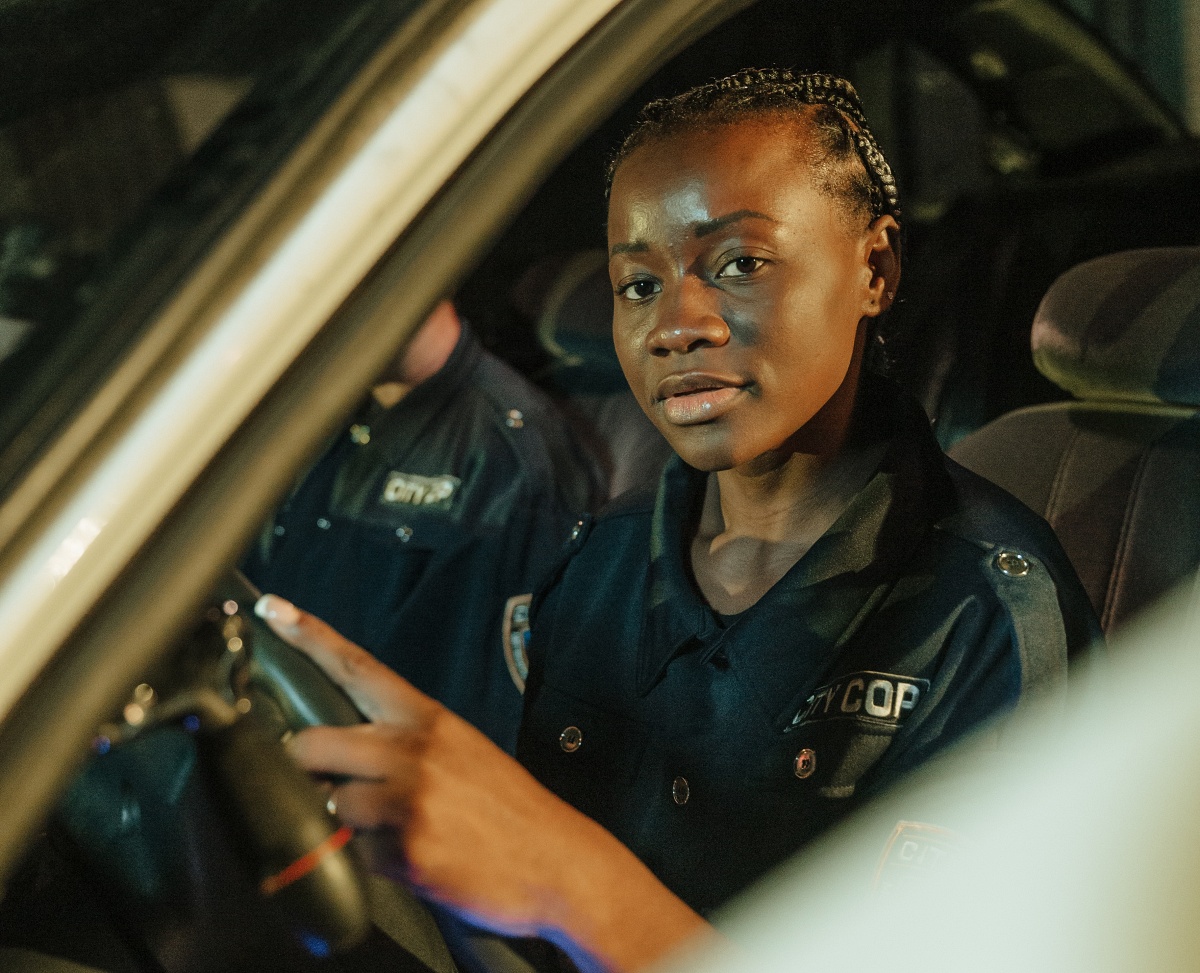
Women officers make police departments and communities stronger. They use less force, are perceived as more trustworthy, often have a natural inclination toward empathy, and exercise more discretion when making stops or arrests. They’re also associated with better outcomes for crime victims. Moreover, women are named in significantly fewer complaints and lawsuits against police. They are often skilled at deescalation, and less likely to display the “warrior” mindset so ingrained in police culture.
Women make up only 12% of police officers in this country, and less than 3% of police leaders.
Related stories
And yet, women make up only 12% of police officers in this country, and less than 3% of police leaders. Those numbers have remained stagnant for decades.
An ultra-masculine police culture is nothing new. In 2015, women failed New Jersey police academies at 13 times the rate of men, and Ivonne wanted to know why. But her inquiries to police academy officials were met with indifference, even hostility.
Struggling to get answers, Ivonne immersed herself in research on women in policing. To examine national trends, she partnered with Maureen McGough, then a senior policy advisor at the National Institute of Justice. They found that the chief's attitude was just a sample of the kind of barriers women who wanted to become police officers face. And this wasn’t limited to Newark. This was a national problem.
At the time, the Newark, New Jersey, Police Department, where Ivonne had been an officer for 25 years, was struggling to hire new officers. Particularly diverse, and especially female, officers. As a female police chief herself, she knew that women can make exceptional officers.
This is why Ivonne and Maureen co-founded the 30x30 Initiative, a grassroots effort of women police leaders and officers, academics, and professionals who have come together to advance women in policing. More than 250 policing agencies have taken the 30x30 pledge to embrace measurable steps toward achieving 30% representation of women in police recruit classes by 2030. 30x30 focuses on changing police culture and policies that fail to address women officers’ needs and, by extension, the needs of the community. Since the launch of 30x30, police executives across the country have stepped forward to spearhead the shifts needed to advance this cause in their departments.
In March 2021, 30x30 introduced a series of no- and low-cost actions law enforcement agencies can take to improve the representation and experiences of women in policing. While progress reports are still rolling in, we’re hearing incredible success stories: recruit classes of over 50% women (where women are sweeping the achievement awards), policy revisions and the establishment of childcare centers to better support parents and caregivers, and innovative recruitment campaigns highlighting the value of women officers.
Certainly, women are not the magic key to solving all that plagues the police profession. But the mismatch between the skills, abilities, and missions of policing agencies with the public safety needs of communities often sets us up to fail. As the first —and still the only— woman to reach the rank of lieutenant in the Redondo Beach, California, Police Department, I know we have a long way to go in making our recruiting and hiring processes more balanced. We need to promote policing as a profession that has the public’s best interests at heart, and where women can thrive so that police departments can become inclusive workplaces more reflective of our communities. That begins with accountability and real reform, in addition to changing the perception of policing as a career where women are unwelcome or unlikely to succeed.
We cannot just reimagine what police do. We must also reimagine who police are and how they show up in their communities. We need a diverse range of perspectives in policing, from patrol officers to chiefs, to build stronger relationships with our communities and ensure that we are creating a culture that is less militaristic, less punitive, and more focused on community health and safety.
Comments

Powered by RoundtableAn AI/DeFi-powered Enterprise Media Operating System. Learn more at Roundtable.io.© Roundtable 2026. By using this site you agree to the Terms of Use and Privacy Policy