
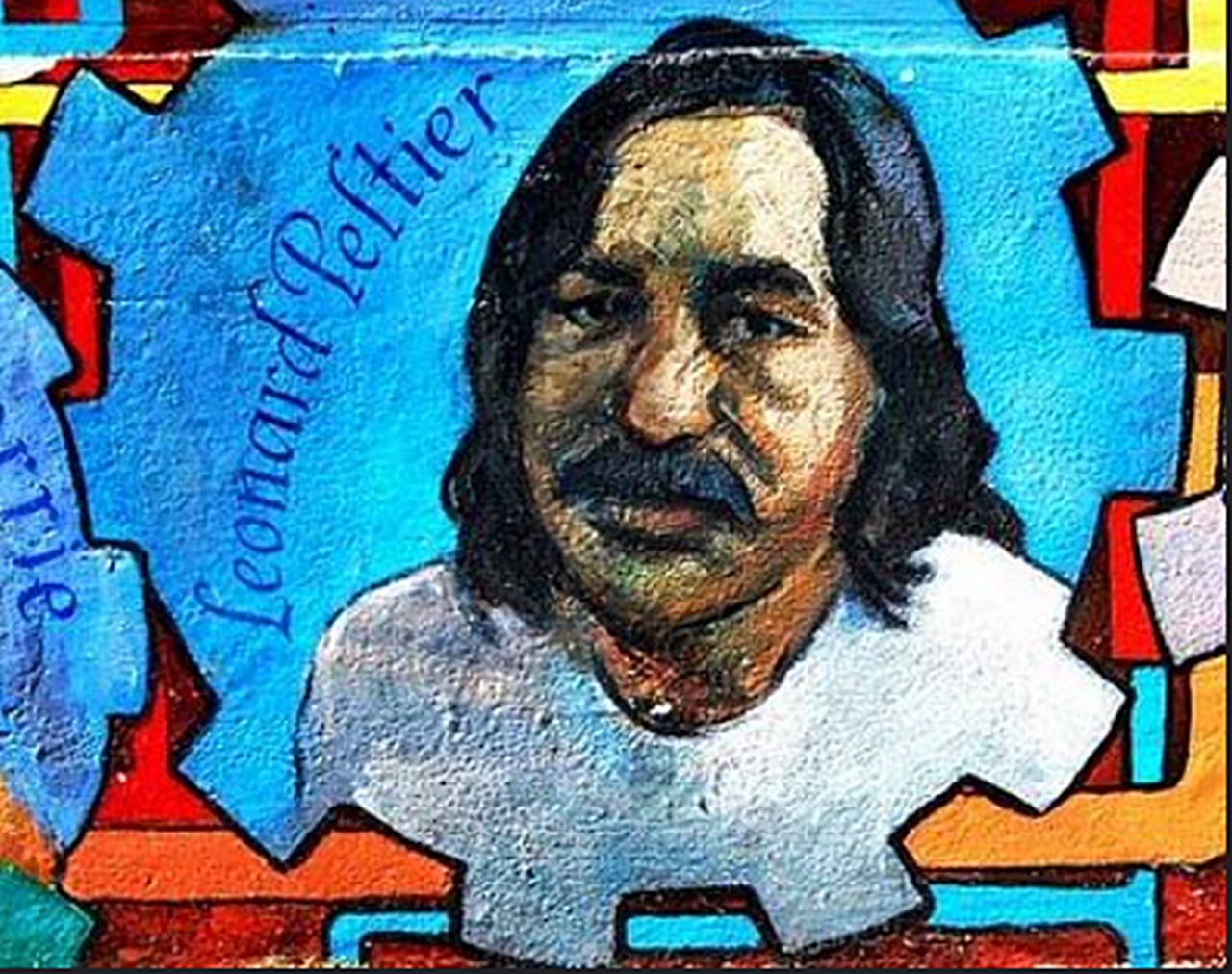
Gary Stevens • Attribution (CC BY 2.0) • Flickr


Leonard Peltier: Life Sentence Finally Commuted
Jan 20, 2025 9:06 PM
Updated Jan 21, 2025 4:26 PM
What a day!! It's been an emotional rollercoaster. It's MLK Day but also Inauguration Day. Leonard Peltier was pardoned but Mumia Abu Jamal continues to linger
The stories of Leonard Peltier and Mumia Abu-Jamal highlight the broader themes of justice, systemic inequities, and the complex relationship between activism and the legal system. Here’s a concise overview and analysis of the two cases, emphasizing key takeaways:
Leonard Peltier: A Long Journey to Clemency
- Leonard Peltier Key Details: Imprisonment: Nearly 50 years for the 1975 deaths of FBI agents Jack Coler and Ron Williams at Pine Ridge Reservation.Health: Declining due to diabetes, hypertension, and other health challenges.Clemency: Commutation granted by President Biden, allowing Peltier to live his remaining years under home confinement but without a pardon for his crimes.Not Pardoned: Leonard Peltier continues to be a convicted felon
- Leonard Peltier Controversy: Support for Peltier's Release: Backed by Nobel Laureates, Pope Francis, and prominent civil rights leaders, Peltier's conviction has long been criticized for lack of due process, withheld evidence, and questionable trial procedures.Opposition: Law enforcement groups, including the FBI Agents Association, argue his release undermines justice and the memory of the fallen agents.
- Leonard Peltier Historical Context: Peltier’s involvement with the American Indian Movement (AIM) underscores decades of tension between Native American communities and the U.S. federal government over land rights, sovereignty, and systemic racism.
Mumia Abu-Jamal: An Ongoing Struggle for Retrial
- Key Details: Conviction: Sentenced for the 1981 murder of Philadelphia police officer Daniel Faulkner. His death sentence was later commuted to life without parole.Health and Prison Time: Over 28 years on death row, including extended periods in solitary confinement.
- Controversy: Calls for Retrial: Amnesty International, Nelson Mandela, and other high-profile figures argue that Abu-Jamal’s trial was marred by racial bias, prosecutorial misconduct, and inadequate defense.Resistance: Critics maintain that his conviction was valid and oppose further legal proceedings.
- Current Status: In 2023, a Pennsylvania court denied Abu-Jamal’s latest petition for a new trial, though his case continues to draw international attention.
Comparative Analysis
- Themes of Injustice: Both cases reflect systemic issues in the U.S. criminal justice system, including racial bias, prosecutorial misconduct, and the inequitable treatment of marginalized communities.
- Support Movements: Global coalitions of activists, civil rights leaders, and intellectuals have rallied behind both men, framing their causes as symbols of broader struggles against institutional oppression.
- Outcomes: While Peltier’s clemency signifies progress toward reconciliation with Indigenous communities, Abu-Jamal’s continued imprisonment demonstrates the enduring barriers to justice reform. As President, Joe Biden did not have the authority to offer a pardon or clemensy to Abu-Jamal who is in a state prison.
Related stories
Takeaways
These cases serve as reminders of the power of advocacy, the complexities of clemency, and the ongoing need to address inequities within the legal system. As Peltier transitions to home confinement, his story may inspire continued efforts for justice and healing. Meanwhile, Abu-Jamal’s fight underscores the importance of vigilance in confronting the past to secure a more equitable future.
Comments

Powered by RoundtableAn AI/DeFi-powered Enterprise Media Operating System. Learn more at Roundtable.io.© Roundtable 2026. By using this site you agree to the Terms of Use and Privacy Policy