


Dec 30, 2024 7:33 PM
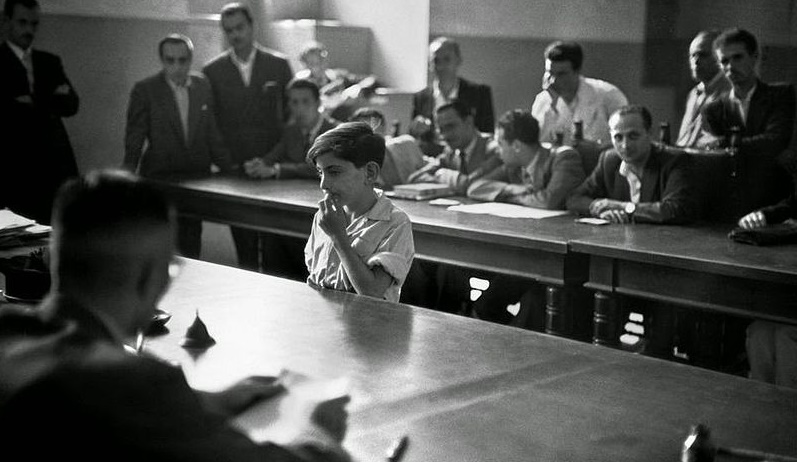
This legal system came into existence during the late 19th century as an alternate means to protect children
As a criminal defense attorney and former prosecutor, I have anxiously observed the recent rise of police brutality and racism directed toward our youth. Therefore, we must take an in-depth look at America’s juvenile justice system to assess its effectiveness and consider whether rehabilitation or punishment is the best solution. All youths must receive equitable treatment under the law; thus, modifications are necessary to ensure this occurs. In this blog post, I will explore some of these questions and discuss how we can create a more equitable juvenile justice system in America.
History of Juvenile Justice in America
The Juvenile Justice System in America has evolved alongside the changing landscape of our society and culture. This legal system came into existence during the late 19th century as an alternate means to protect children and provide special consideration under the law. Initially, societal structures highly emphasized rehabilitation, but since then, harsher realities began to take root, including stricter rules, regulations, and terms of punishment.
Over time the system has continued to deteriorate. For decades minors in the juvenile justice system have been subjected to a lack of proper judicial oversight, deplorable living conditions, overcrowding, faulty infrastructure, inadequate mental health access, limited social services, and substandard educational opportunities. As a result, youth advocacy groups have demanded new policies that shift focus away from retribution-based models and toward assisting exposed youth by intervening early and helping them grow into well-adjusted adults.
The Impact of Incarceration on Young People
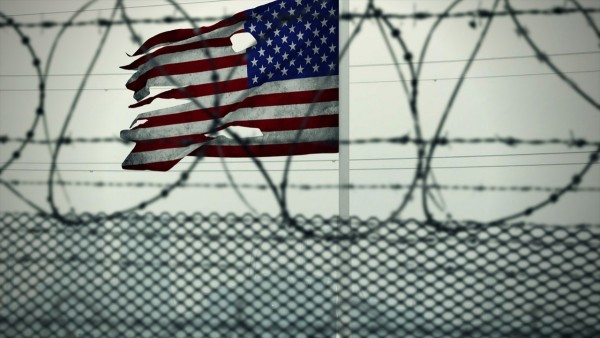
Incarceration can have profound effects on children and adolescents, both physically and mentally. Physically, youth are more likely to suffer health issues due to inadequate nutrition and healthcare services within correctional facilities. Mentally, young people may develop psychological trauma from abuse and their experiences within the criminal justice system. This trauma can manifest itself in the form of depression, anxiety, or post-traumatic stress disorder (PTSD), all of which can have long-term implications for the individual’s mental health and well-being.
Related stories
With the absence of parent figures, community support, and a solid educational foundation, minors most likely will experience economic struggles, social isolation, and educational exclusion that leads to decreased economic opportunity in adulthood. Research shows that incarcerated individuals are often locked in a cycle of racial inequity due to a lack of work opportunities upon release, coupled with society’s reluctance towards hiring someone who has been to prison. This limited earning potential reduces the likelihood of these households having the financial stability necessary for long-term success.
Systemic Discrimination Against Minority Groups
For those youth members of historically marginalized communities such as minorities, immigrants, LGBTQ, and transgender individuals, the juvenile justice system often falls seriously short of providing adequate protection. Unfortunately, these populations bear the brunt of arbitrary punishments or exclusion from meaningful opportunities such as education or psychological counseling inside detention centers across the country.
In response, some states are introducing or updating existing legislation, such as the California Youth Bill of Rights, that safeguards the rights of minors. The aim is not only to end the punishment-centric practices employed by numerous jurisdictions but also to put more resources into rehab programs, education opportunities, parenting courses, and counseling services for young offenders. These initiatives could help reduce recidivism amongst convicts upon their release from incarceration by equipping them with essential skillsets needed to thrive outside prison walls.
Harsh Sentencing Policies for Serious Offenders
Over the past few decades, a movement to reform criminal justice has been gaining traction throughout the country. That includes rethinking some of the harshest sentencing practices for juvenile delinquents found guilty of serious offenses. In 2005, the Supreme Court ruled in Roper v. Simmons that executing juvenile offenders who were younger than 18 years old when the crime occurred violated the Eighth and Fourteenth amendments. As a result, this ruling eliminated the death penalty as an option when dealing with juveniles in the criminal justice system.
Additionally, there is a movement across the U.S. to end life-without-parole sentences for children and to instead focus on rehabilitation treatments for youth under 18. In previous years, it was common to send serious offenders to adult prisons, where juveniles are exposed to a much harsher environment and become further entangled in a life of crime. When living alongside older, more experienced felons, prison becomes little more than a crime school for juveniles. To prevent the likelihood that minors will become more violent repeat offenders, advocates are stressing the importance of compassionate reform that embraces rehabilitative tools for a more positive impact.
What Can be Done?
While it may seem that the current state of juvenile justice in America is dire, there are positive indicators that we are moving from an unjust criminal justice system to one geared toward helping youth become productive members of society. If the United States is serious about reform, we must prioritize investments in rehabilitation programs that will offer at-risk youth future opportunities and resources.
Collaborating with professional who understand the complexities of the justice system can make a significant difference. Experienced criminal lawyers play a crucial role in advocating for fair treatment and ensuring that young individuals are given a chance to rebuild their lives. It will not be easy. However, if we collaborate as advocates and allies for this cause, our young people can get the aid they need to succeed. Change is inevitable, and your time and effort will be much needed and greatly appreciated!
Comments

Powered by RoundtableAn AI/DeFi-powered Enterprise Media Operating System. Learn more at Roundtable.io.© Roundtable 2026. By using this site you agree to the Terms of Use and Privacy Policy