


May 7, 2023 8:43 PM
Updated Jun 12, 2023 9:22 PM
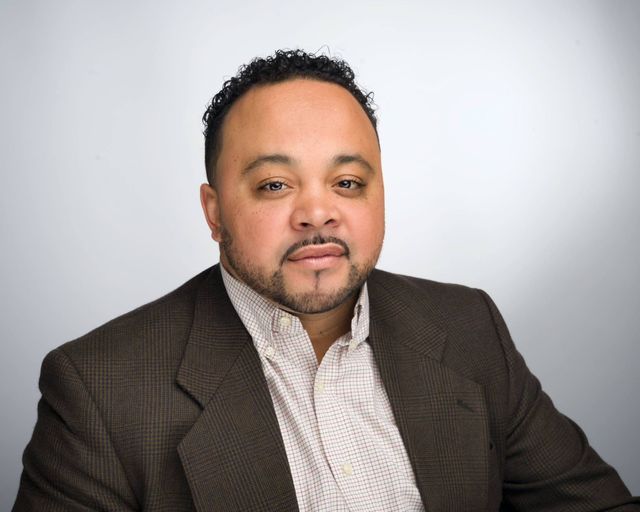
Introduced to community organizing in 2009, Gilbert found sobriety and started volunteering, which led him to become a lead justice organizer at CoCo.
Gilbert Johnson chats with Sharon Kyle of the LA Progressive about life after incarcerationMore Videos
Growing up in South LA during the 1980s crack epidemic, Gilbert Johnson had more than a few strikes against him. Swept up in the surrounding drug and alcohol abuse culture, he was arrested for the first time at 16 and spent much of his youth in and out of jail.
Gilbert’s salvation came when he was introduced to the Community Coalition (CoCo), the venerable social justice organization founded in 1990 by then physicians assistant, now Mayor Karen Bass to combat the drug plague disintegrating their neighborhoods.
“I was homeless, I was a gang member, I was on drugs—my mom and dad were crackheads—popping pills, doing all kinds of crazy things at a really young age, through my 20s, until I got connected to that organization that didn’t see me as a felon,” Gilbert says of CoCo. “They saw me as an individual who made mistakes, that was trying to do right. They gave me a second, third, fourth chance, and I ran with it.”
“They saw me as an individual who made mistakes, that was trying to do right. They gave me a second, third, fourth chance, and I ran with it.”
Related stories
Introduced to community organizing in 2009, Gilbert found sobriety and started volunteering, which led him to become a lead justice organizer at CoCo. A marriage and five children later, Gilbert has led multiple civic engagement campaigns, such as for Prop 47, Prop 57, and Prop 17 at CoCo and now as the TimeDone Statewide Manager for the Alliance for Safety and Justice.
We met Gilbert recently at a forum put together by L.A. Councilmember Eunisses Hernandez to explore alternative models for crisis response. At the session, Denver’s Support Team Assisted Response (STAR) program demonstrated how they’ve integrated unarmed, trauma-informed response teams into the 9-1-1 dispatch system to address distress related to mental health issues, poverty, houselessness, and substance abuse, freeing police officers to deal with more urgent and potentially deadly issues.
Gilbert talked to us about similar community efforts that have been going on for a long time in Los Angeles, such as with gang intervention, reentry programs, and the 988 program that since 2009 has deployed trained mental health workers and counselors, rather than police officers, to deal cries for help that don’t require a police presence.
“The progressive leadership in L.A. has moved us in a different direction,” Gilbert says of those efforts. “We’re not seeing cops showing up with guns drawn for somebody who has a knife in their hand and obviously needs help.”
“It’s all about implementing a public health approach to deep issues in the community fueled by historical poverty, fueled by disinvestment, fueled by a lack of care by public officials historically,” he concluded. “A public health approach in the community looks different from police coming in with battering rams.
Having nonlethal response teams to address social ills is clearly a step in the right direction.
Resources:
Comments

Powered by RoundtableAn AI/DeFi-powered Enterprise Media Operating System. Learn more at Roundtable.io.© Roundtable 2026. By using this site you agree to the Terms of Use and Privacy Policy