


May 27, 2023 7:00 AM
Updated Jun 12, 2023 9:07 PM
Qualified immunity means that a public official cannot be sued for something done while in the line of duty.
Qualified immunity means that a public official cannot be sued for something done while in the line of duty.More Videos
Yesterday, in Indianola, Mississippi, a police officer shot an 11-year-old boy in the chest. Need we say the child was unarmed—and Black?
Thankfully, Aderrien Murry survived and is already out of the hospital.
The boy’s attorney has joined townspeople in urging that the police officer be fired and charged with a criminal offense.
In such cases, the family typically will also file a civil suit against the officer, the police department, and Indianola—probably for a great deal of money. But that civil suit will likely have little direct effect on the officer, thanks to a rather arcane legal concept called “qualified immunity.”
Related stories
In layman’s terms, qualified immunity means that a public official—police officer, public servant, or other government employee—cannot be sued for something done while in the line of duty. They’re almost always provided cover or insurance that protects them from lawsuits for actions taken while they’re performing their jobs. Taxpayers would pay an civil judgements awarded.
The Indianola police officer’s attorney will certainly argue that he was simply responding to a 9-1-1 call and acted appropriately.
As a consequence, qualified immunity dissuades people from bringing lawsuits against the police in the first place, knowing that there’s little chance of succeeding. And that discourages police accountability.
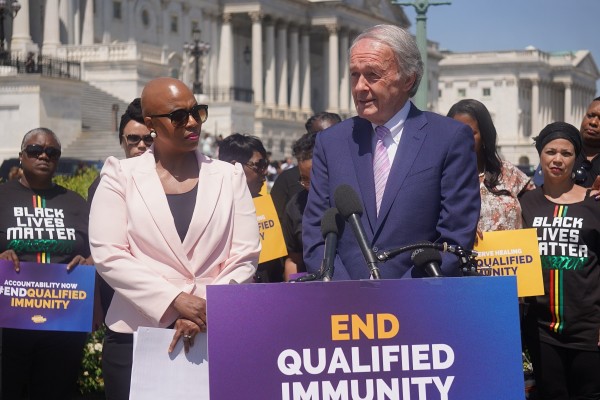
To rectify the situation, last month Massachusetts Rep. Ayanna Pressley and Sen. Edward J. Markey reintroduced the “Ending Qualified Immunity Act,” which restores the ability for people to obtain relief when state and local officials who violate their legal and constitutionally secured rights.
“For too long qualified immunity has impeded legal recourse and blocked meaningful accountability,” Pressley said. “It makes no sense that the very people responsible for enforcing the law face no consequences for breaking it.”
Pressley and Markey argue that qualified immunity needs to be blocked as an unjust doctrine that has been codified and strengthened in one court case after another.
A copy of the Ending Qualified Immunity Act can be found here and a summary is available here.
Comments

Powered by RoundtableAn AI/DeFi-powered Enterprise Media Operating System. Learn more at Roundtable.io.© Roundtable 2026. By using this site you agree to the Terms of Use and Privacy Policy