


Jan 14, 2018 12:26 AM
Updated Feb 10, 2022 11:09 PM
Cheryl Dorsey: In most cases, however, officers who commit abuse under the color of authority get little more than a slap on the wrist and the opportunity to move on to another police department and continue with their lives.
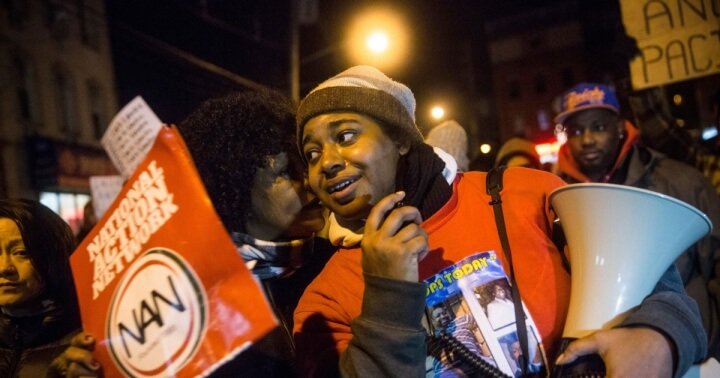
27-year-old Erica Garner, social justice activist and daughter of slain New Yorker Eric Garner died an untimely physical death during the recent holidays; however, I believe she metaphorically died in July 2014 when NYPD officer Daniel Pantaleo choked her father Eric to death.
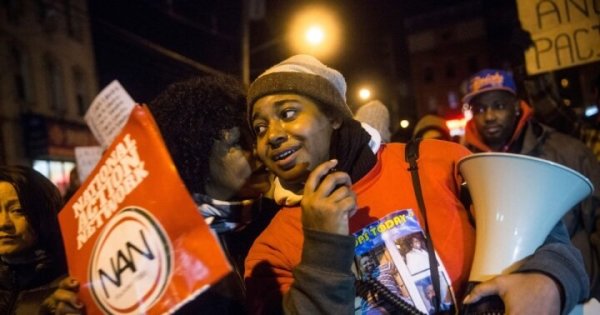
After three long years filled with police department denials and justifications regarding the use of that prohibited chokehold that caused her father to utter those haunting words, “I can’t breathe, I can’t breathe!”
A chokehold, according to NYPD policy, is only to be used “when an officer’s life is in danger.” While allegedly selling illicit cigarettes – “loosies” – on the sidewalk hardly seems “life threatening”, a grand jury declined to prosecute Pantaleo in Garner’s death.
The rationale often given by law enforcement personnel of “failure to comply with an officer’s orders” was insufficient and conscionable. In other words, non-compliance – even if true – based on my 20 years of LAPD training and experience does not justify the use of deadly police force.
Related stories
In September 2017, an NYPD Civilian Complaint Review Board (CCRB) recommended disciplinary action against Pantaleo in Garner’s death. Be clear, this finding means very little. While an independent civilian review board is desirable and necessary, their recommendation has no teeth. So, while the CCRB “recommended” discipline, the NYPD’s Commissioner has complete autonomy and is the final adjudicator what discipline, if any is given.
Not that prior disciplinary action always deters bad behavior. This was true in the 2012 fatal police shooting of Ramarley Graham, an unarmed black teenager from Brooklyn. Much like Pantaleo, former NYPD officer Richard Haste’s conduct had been problematic and well documented. According to CCRB reports, Pantaleo had been disciplined for police misconduct in the past and had been sued three times prior to the Garner incident. In each case, charges were dismissed, and in one case a settlement was reached.
The progressive news website Think Progress also released leaked documents showing that Pantaleo had 14 individual allegations filed against him and seven disciplinary complaint, four of which had been sustained by investigators.
In most cases, however, officers who commit abuse under the color of authority get little more than a slap on the wrist and the opportunity to move on to another police department and continue with their lives.
Disciplinary actions that allow officers to continue in their misconduct – or providing others with the gift of resignation only to be rehired by another police department or worse still to remain on the job as in the case of Pantaleo – is insulting to the families. Discipline can include a penalty of additional training, a written reprimand, reassignment, suspension or termination. So much for deterrence, right?
In most cases, however, officers who commit abuse under the color of authority get little more than a slap on the wrist and the opportunity to move on to another police department and continue with their lives like Pantaleo who married last year.
So, while Pantaleo may at some point be disciplined (yet again), he continues to enjoy all the benefits associated with employment: good pay, a good pension and an ability to breathe – something he clearly denied Eric Garner.
One can only assume this weighed heavy on the heart of Erica. While I make no medical claim as to what caused her death, I’m sure repeated national broadcasts of her father, at the age of 43, being choked to death by a NYPD officer – and her subsequent fight for justice, accountability and reform – may have caused undue stress.
At the end of the day, such stress – coupled with grief, anxiety and probable financial hardships – are unintended consequences of police abuse and far exceed the boundaries of police procedure and protocol.
So, we must pick up the mantle. We must demand officer accountability and substantive administrative action when police misconduct occurs.
Erica Garner probably understood that intuitively. She embraced the cause, fought the good fight and honored her father’s memory by courageously trying to fuel a movement that would end the cycle of police abuse, racial injustice – and, in the process, stem the tide of pain and suffering that families like hers have come to know.
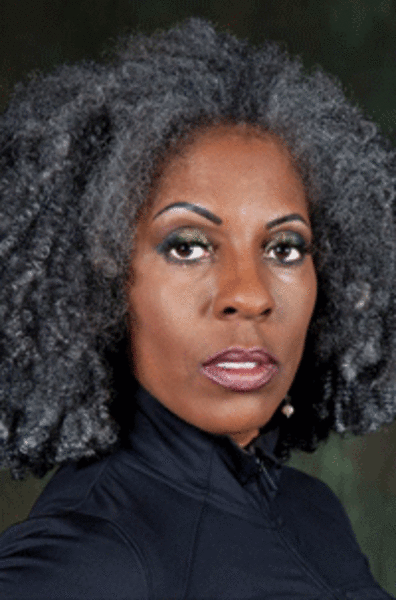
In Erica’s absence and memory, myself and others are deeply committed to that fight – and equally pledged to advocate for justice, reform and accountability.
Cheryl Dorsey
Cheryl Dorsey is the author of autobiography "Black and Blue, The Creation of A Manifesto." Coming soon – “Black and Blue, The Creation of A Social Advocate.”
For more information, visit www.sgtcheryldorsey.com and follow her on Twitter @sgtcheryldorsey
Comments

Powered by RoundtableAn AI/DeFi-powered Enterprise Media Operating System. Learn more at Roundtable.io.© Roundtable 2026. By using this site you agree to the Terms of Use and Privacy Policy