


Feb 8, 2016 12:23 AM
Updated Feb 10, 2022 10:08 PM
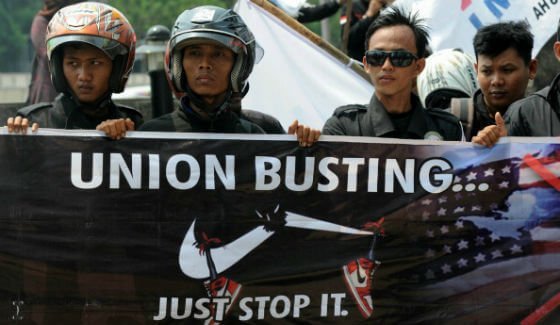
Berry Craig: Predictably, the union-busters are in high dudgeon over Federal District Judge David Hale’s ruling that, in effect, invalidated a dozen county "right to work" ordinances in Kentucky.
Predictably, the union-busters are in high dudgeon over Federal District Judge David Hale’s ruling that, in effect, invalidated a dozen county "right to work" ordinances in Kentucky.
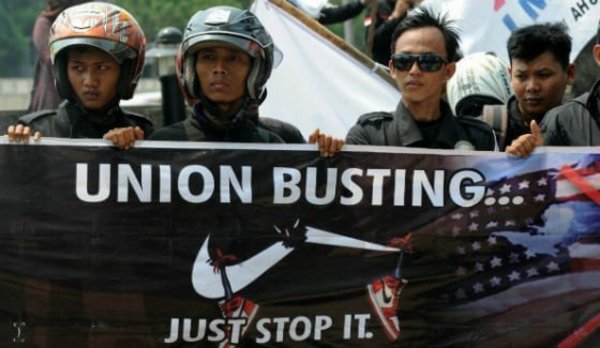
One of those conservative, anti-union groups griped that the ruling “not only pushes aside the will of the people as expressed through their Legislature, it completely negates the intention of this nation's founders in establishing a Constitution that empowers sovereign states and their citizens.”
“Will of the people expressed through their Legislature?”-- In 2014, a slew of Republicans running for the state House of Representatives made RTW a central issue in their campaigns. They promised to vote in a RTW law if they flipped the Democratic-majority House. (The Senate is Republican).
I can’t think of a better example of “the will of the people” than an election.
Related stories
Well, the Democrats went into the 2014 election with a 54-46 House majority. After the votes were counted, the House was still 54-46 Democratic.
“A Constitution that empowers sovereign states and their citizens?” – The U.S. constitution does indeed grant states important powers. But the United States is a federal republic. The constitution has a supremacy clause (Article VI, Clause 2) that says: "This Constitution, and the Laws of the United States which shall be made in pursuance thereof; and all treaties made, or which shall be made, under the authority of the United States, shall be the supreme law of the land; and the judges in every state shall be bound thereby, anything in the constitution or laws of any state to the contrary notwithstanding."
In other words, federal law trumps state or local law. Ultimate sovereignty lies with the central government, an issue the Civil War settled.

I wouldn’t for a minute accuse this anti-union group of being pro-slavery or pro-segregation. But before the Civil War, white supremacist Southern politicians, editors and other leaders said slavery was legal in their states under a national constitution that empowered "sovereign states" and their citizens, meaning white folks.
Likewise, Southern white supremacist supporters of Jim Crow laws—which denied the vote to African Americans and created a system of racial apartheid throughout the old Confederacy—trotted out the “sovereign states” line.

Berry Craig
Comments

Powered by RoundtableAn AI/DeFi-powered Enterprise Media Operating System. Learn more at Roundtable.io.© Roundtable 2026. By using this site you agree to the Terms of Use and Privacy Policy