


Jun 27, 2017 9:34 PM
Updated Feb 10, 2022 11:04 PM
Victor Narro: Using the term “carve out” throughout the universal representation debate creates a narrative that those who fall under this label are less than a whole person and not worthy of full civil rights protection under the laws.
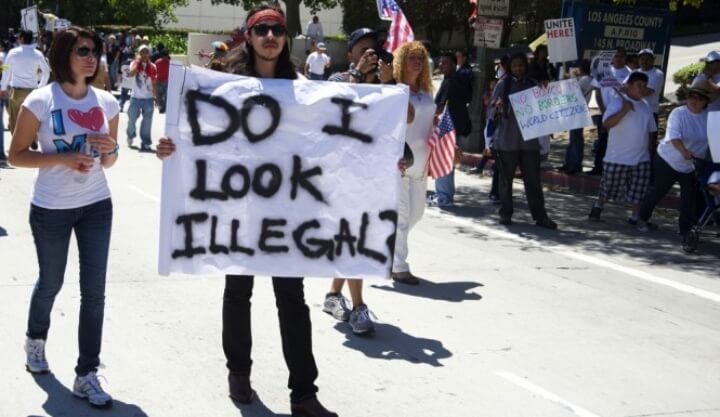
Last week in an 11-1 vote, the Los Angeles City Council approved the Los Angeles Special Justice Fund, a $10 million public-private partnership to assist immigrants who are facing deportation proceedings without legal counsel. We should commend City Council leaders should for taking this major step forward to protect immigrants in Los Angeles against the relentless attacks by the Trump administration. Within the framework of universal representation, the Los Angeles City Policy is more progressive than the one just passed by the LA County Board of Supervisors and the current statewide bill that is making its way through the California State Assembly.
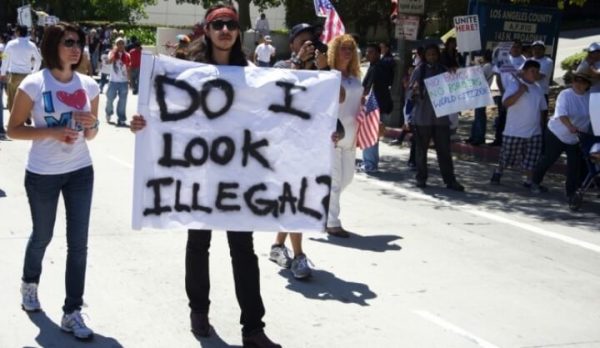
As someone with years of experience in many policy campaigns, I am not naïve to the issue of compromise and negotiation in the process of arriving at mutually acceptable policy outcomes. I understand the difference between what should be the ideal policy goal and what a political reality may offers us. This is why many immigrant rights advocates supported the Los Angeles City policy outcome with the special justice fund. What is most important as we move forward, however, is for us to come to an awareness of how the terminology and rhetoric that we promote can cause significant harm to the very community that we are trying to help.
Using the term “carve out” throughout the universal representation debate creates a narrative that those who fall under this label are less than a whole person and not worthy of full civil rights protection under the laws.
During the City Council hearing, the dialogue among the Councilmembers focused on what has become the major debate in the campaign for universal representation for immigrants. The major issue evolves around the term “carve out” and how inclusive will be a policy of universal representation. Using the term “carve out” throughout the universal representation debate creates a narrative that those who fall under this label are less than a whole person and not worthy of full civil rights protection under the laws. In doing so, we succumb to the agenda of categorizing immigrants into “good immigrants” versus “bad immigrants,” or even the term coined by President Obama: “Felons, not families.” By focusing on a “carve out” as the foundation from which we decide universal representation policies, we are launching a major threat to the sacred principle of equal justice for all. Much in the same way that many of us fight so diligently to safeguard the rights of free speech for all under the First Amendment of the Constitution, we must do the same for universal representation. If we make exceptions to the principle of equal justice for all by accepting “carve out” policies, more exclusions will follow, and we will end up with due process becoming a privilege and not a right.
In my book, Living Peace: Connecting Your Spirituality with Your Work for Justice, I reveal how the life and teachings of St. Francis of Assisi shape my work for justice, teaching me the way of peace, love, humility, and service. The essence of the teachings of Francis is the value of unconditional love and unconditional forgiveness. This value combined with the adherence to the principle of equal justice for all creates a strong foundation from which we should be approaching the issue of exclusion.
Related stories
Many in this debate argue that that by promoting due process for all, we are supporting violent felons and creating an injustice for the victims of their crimes. St. Francis through his principle of unconditional forgiveness teaches us that when confronted with a violent act, we must channel our anger and condemnation towards the act itself, and not the individual who committed it. Over the years in my immigrant rights work, I became deeply involved in two human trafficking cases. Through these two cases, I witnessed firsthand the pain and suffering of the victims and how the crime of trafficking destroyed their lives. I am the first one to condemn the act of human trafficking. Condemning these crimes, however, does not mean we must deny the due process rights of those who commit them. To do so violates the fundamental premise behind equal justice for all.
The story of St. Francis and the thieves highlights this point. One day while traveling on the road by himself, Francis was confronted with a group of thieves who set out to mug him. When they realized he had nothing of value on him, they beat him up and threw him off to the side of the road. In his joyfulness and deep compassion for unconditional forgiveness, Francis returned the following day to look for the thieves. When he encountered them, he forgave them for their act, offered them food and wine, and invited him to join his group. The thieves were so moved by his unconditional act of compassion that they joined his community and became among its most active members.
We live in unprecedented times today. The Trump administration has challenged us to move beyond comfortable spaces of leadership and take major risks to protect and safeguard the civil rights of community members under attack.
We must work to ensure unqualified access to justice for all with no conditions or exceptions. The fight for universal representation for immigrants and other similar impact issues will become the test of our humanity as we move forward in the fight for immigrant rights.
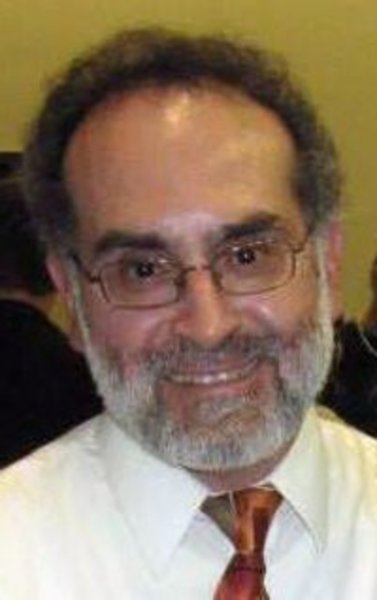
Victor Narro
Comments

Powered by RoundtableAn AI/DeFi-powered Enterprise Media Operating System. Learn more at Roundtable.io.© Roundtable 2026. By using this site you agree to the Terms of Use and Privacy Policy