
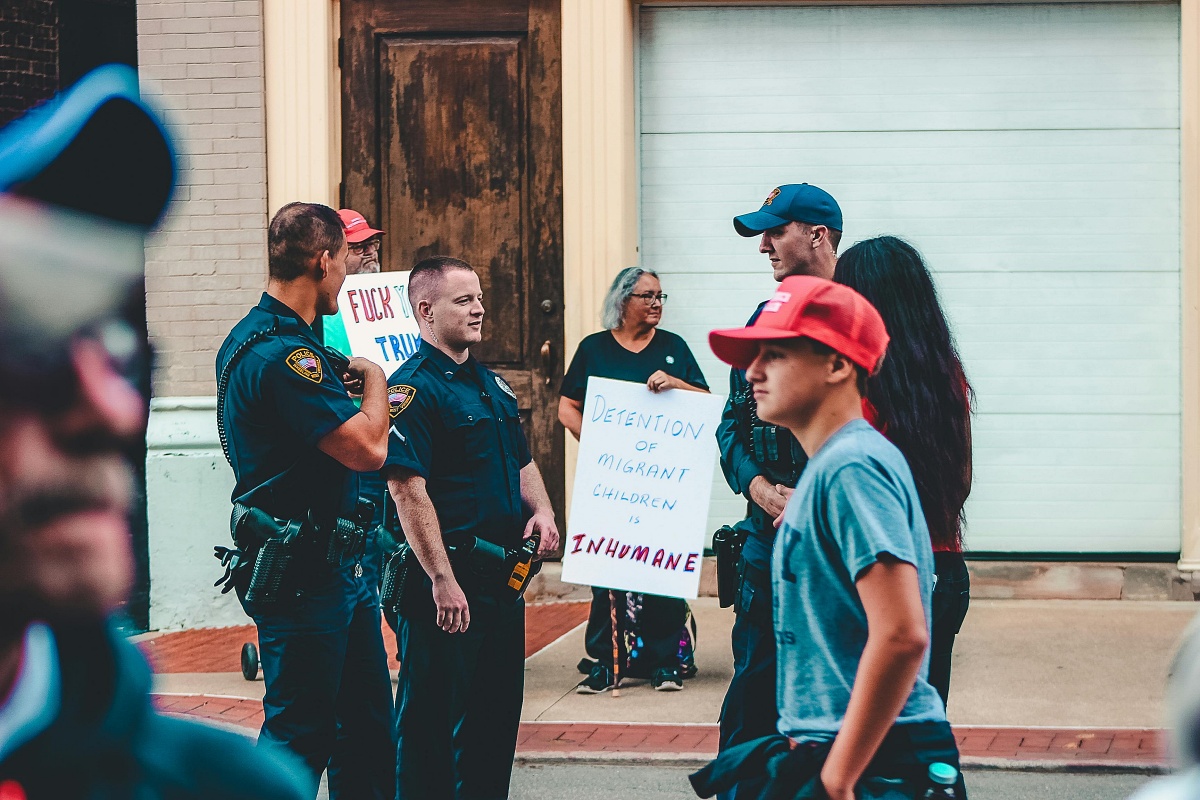
Photo by Rosemary Ketchum from Pexels


As we face another chapter of dehumanizing anti-immigrant rhetoric and policy, supporting one another is essential for a just and healthy campus and community.
Nov 14, 2024 6:29 AM
Updated Nov 14, 2024 4:21 PM
As we face another chapter of dehumanizing anti-immigrant rhetoric and policy, supporting one another is essential for a just and healthy campus and community.
Americans have once again embraced Donald Trump’s hardline stance on immigration, electing him as the 47thpresident in a decisive victory over Kamala Harris. His return to the White House signals a renewed mandate for his controversial immigration policies, showing that his message resonates strongly with many.
But whether they realize it or not, Trump’s anti-immigrant message affects us all. As a third-generation Mexican American and first-generation college graduate, I’ve seen firsthand how immigration and citizenship policies impact families across generations. In my role as a scholar and university administrator, I’ve also seen how hate speech creates a toxic social atmosphere that harms everyone, not just those directly targeted.
The impact on undocumented people is undeniable. Trump’s anti-immigrant agenda could intensify deportations, separate families, restrict access to pathways for citizenship, and increase fear and instability within immigrant communities. Barriers to employment, education, and healthcare are also likely to grow, creating lasting financial and emotional hardships for those directly targeted. But there’s more: we have seen the consequences of past anti-immigrant policies, and we know the damage they cause.
The impact of dehumanizing anti-immigrant agendas spans generations. My grandmother, born in a camp for railroad workers in Tehachapi, California, lost her citizenship after marrying a Mexican migrant due to the 1907 Expatriation Act, which treated women as “disposable citizens,” stripping them of independent citizenship. The statute reads: “Any American woman who marries a foreigner shall take the nationality of her husband.”
Related stories
For 26 years, she lived undocumented in her own country, denied rights by xenophobic, gender-discriminatory policies. Getting an education was impossible for my grandmother, and when my father dropped out of high school, it must have seemed natural, considering both his parents were undocumented and had never attended school. Discriminatory laws against immigrants don’t end with one person—they reverberate through entire families.
On top of this, anti-immigrant policies create a toxic atmosphere that affects all Americans. My father’s resentment toward President Herbert Hoover, whose administration targeted Mexican Americans in deportation raids, lingers in my family’s history. When I was a visiting scholar at Stanford University, he grew visibly upset when he learned Hoover’s name was attached to the campus’s iconic tower, still feeling the weight of policies that had threatened to deport his mother.
My journey through higher education was shaped by this legacy. At a university commemorating a figure associated with anti-immigrant policies, I felt out of place and questioned whether I wanted to be there. To this day, I still question whether I belong there. Dehumanizing policies targeting undocumented people leave lasting scars on all those connected to immigrant communities, impacting the social climate for everyone.
And the legacy of anti-immigrant sentiment continues to shape California’s social climate, straining the mental well-being of immigrants and the broader community. A UCLA policy brief found that from 2015 to 2021, psychological distress among immigrant adults in California rose by 50%, with recent immigrants most affected. This hostile environment impacts not only immigrants but also the entire social fabric.
As the influential anti-colonial thinker Frantz Fanon argued, systemic oppression creates a toxic atmosphere that permeates society, impacting everyone within it. While California has made strides to protect immigrant communities, the state’s nativist legacy—embodied by figures like Herbert Hoover and Pete Wilson—continues to weigh on our mental health, suggesting that anti-immigrant agendas create a divisive and unhealthy social climate for all.
Some assert that Trump’s deportation plans aim to uphold the law and protect borders, resources, and jobs. But these policies can impact and criminalize communities indiscriminately. Others will point to Trump’s gains among Black and Latino male voters as key to his victory, overlooking the fact that his win relied primarily on his core base of white, non-college-educated voters.
Still, it’s essential to examine how Fox News and social media resonate with segments of Black and Latino men who feel neglected and disillusioned by mainstream political narratives and the value of pursuing higher education.
Last week’s election results show that Americans have again endorsed Donald Trump’s focus on enforcement, fear, and division over systemic reform. This renewed mandate underscores the need for proactive support for those most affected.
After the 2016 election, I joined an ally program to support undocumented members of my campus community, understanding that their well-being is deeply connected to my own. I will do the same now. As we face another chapter of dehumanizing anti-immigrant rhetoric and policy, supporting one another is more essential than ever for a just and healthy campus and community.
Comments

Powered by RoundtableAn AI/DeFi-powered Enterprise Media Operating System. Learn more at Roundtable.io.© Roundtable 2026. By using this site you agree to the Terms of Use and Privacy Policy