


Mar 25, 2020 8:01 PM
Updated Feb 10, 2022 10:53 PM
Sharon Kyle: not so clear is the ways in which our structural and historical conditions set the stage for Black and Brown people to be at greater risk of contracting the Coronavirus.
Coronavirus Intersectionality: Who Chooses Who Lives
Unlike some people who make this claim, the Coronavirus has demonstrated that it truly does not see race, class, ethnicity, nationality, age, gender. Until there is a vaccine or some other remedy, none of that will matter if someone comes into direct contact with the virus.
But, considering the highly stratified nature of this country, there are opportunities for the virus to disproportionately impact certain segments of our population.
Not so clear is the ways in which our structural and historical conditions set the stage for Black and Brown people to be at greater risk of contracting the Coronavirus.
Fractures in social equality that existed way before the virus appeared on the scene can provide pathways that mainstream media is not discussing.
You don’t have to be a rocket scientist to see that healthcare providers who come into direct contact with people carrying the Coronavirus are at a high risk of contracting the virus themselves.
Related stories
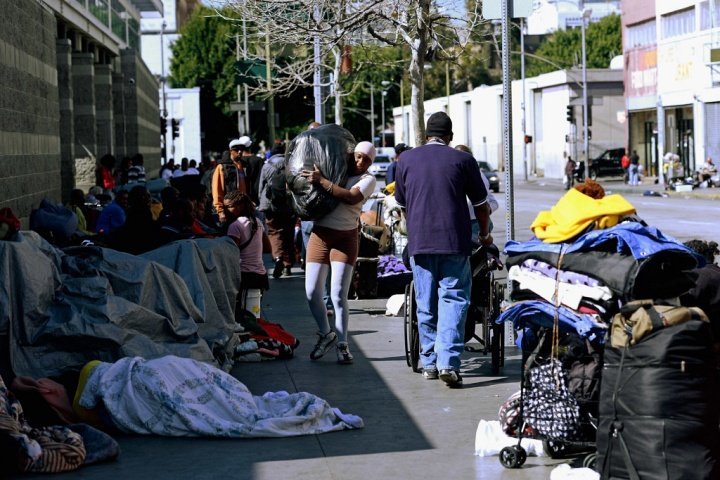
But not so clear is the ways in which our structural and historical conditions set the stage for Black and Brown people to be at greater risk of contracting the Coronavirus. Low-income caregivers, homeless people, the unemployed, the incarcerated, and the undocumented are disproportionately Black and Brown. The family members and friends of those who dwell on the fringes of society are themselves overwhelmingly Black and Brown.
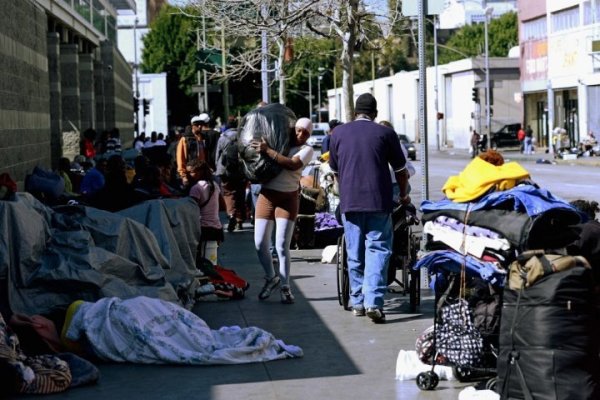
These are the people our society has deemed "disposable". Just take a look under any overpass in any urban center in the United States. Social distancing in prison? Low-income caregivers can neither stop working nor keep a safe distance from those they care for.
Mainstream media, in its 24/7 coverage of the Coronavirus, has done little to put a spotlight on the Coronavirus and intersectionality. In the days and weeks to come, it will become increasingly clear that race, ethnicity, and social status will have a role as it always has in determining who will get sick and who won't—who will die and who won't. Considering Coronavirus inntersectionality, who chooses who lives may come down to which elected official acted when action was necessary.
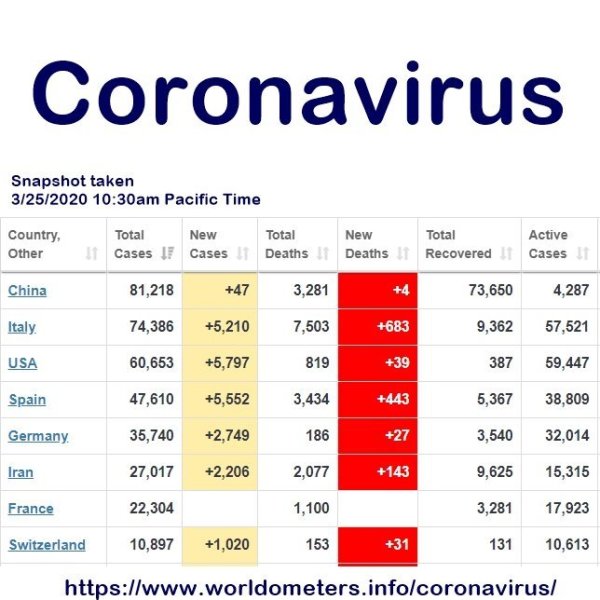
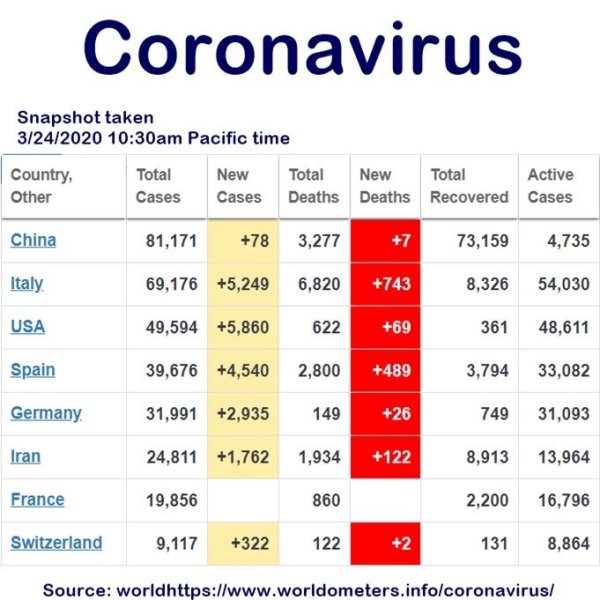
And politics has had a role on center stage since we first heard of this virus. On March 24, 2020, Gov. Tate Reeves of the state of Mississippi rejected calls for a statewide shelter-at-home order. Stating the obvious, "Mississippi's Never Going to be China" while the number of positive tests for Coronavirus in the United States is quickly approaching that of Italy and will almost surely overtake both Italy and China within a week. For the sake of the people in Mississippi, I pray he won't eat his words.
The federal government is not the only authority that can issue a mandate to stay indoors. Several states have already issued such mandates. States like California, New York, Washington and Illinois have implemented mandatory quarantines. But when considering Coronavirus intersectionality - who choos
es who lives may boil down to municipal leadership. What are the cities doing?
What is becoming increasingly clear is that there is a partisan divide that is emerging between states governed by Democratic governors and those governed by Republicans. And this divide, more than anything will likely reveal itself in the number of losses.
In a recent blog post, the African American Policy Forum stated the reach of the Coronavirus threatens not one country, but all of humanity. Broadening our sense of solidarity to every corner of the world is a stark reminder of the inadequacy of traditional American frameworks for solidarity. We need frameworks that are robust, multiaxial, and intersectional.
This virus is exposing our inadequacies on so many levels. Let's hope that we can learn from the painful lesson this has brought to bear.
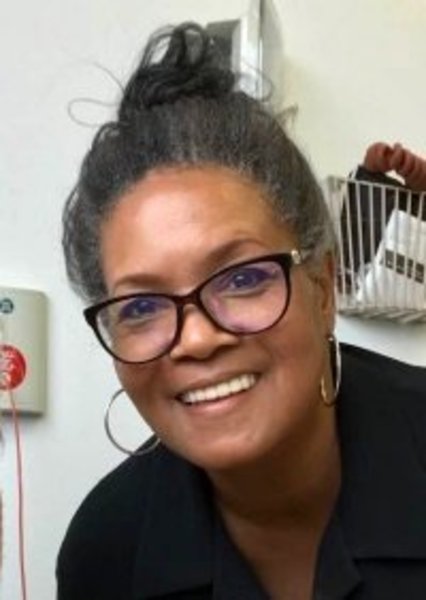
Sharon Kyle
Publisher, LA Progressive
Comments

Powered by RoundtableAn AI/DeFi-powered Enterprise Media Operating System. Learn more at Roundtable.io.© Roundtable 2026. By using this site you agree to the Terms of Use and Privacy Policy