


Apr 27, 2020 11:00 PM
Updated Feb 10, 2022 10:58 PM
Bob Pendleton: Coupled with global warming, which is already harming the water supply and making large portions of land in the equatorial belt unsuitable for agriculture, this depression will probably last ten years or more.
Recently, I was asked how a local chapter of a well-known civil liberties organization might serve its community during the Covid-19 pandemic and resultant quarantine. This is how I responded.
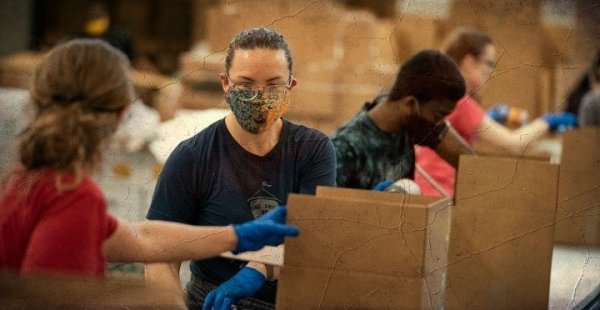
The fundamental crisis which is facing the world is a global economic depression, accompanied by the worst unemployment ever encountered. The consumerist capitalist model fails when vast percentages of the population are afraid to go out in public due to a contagious disease with high risk of death. Consequently, the current economic models will fail catastrophically. At the best, global immunization will take two years to achieve, and the economy cannot withstand the measures needed to combat the pandemic.
Coupled with global warming, which is already harming the water supply and making large portions of land in the equatorial belt unsuitable for agriculture, this depression will probably last ten years or more.
As in the global depression of the 1930s, the suffering will fall the heaviest on the poor. Coupled with global warming, which is already harming the water supply and making large portions of land in the equatorial belt unsuitable for agriculture, this depression will probably last ten years or more.
The crisis I am describing is here now. There are food lines everywhere there is food available to distribute. The fact that rich people are able to shelter at home and have groceries delivered does not negate the crisis, which is devastating the poor. Rent payers cannot meet landlords’ needs, and the government remedies have merely delayed the financial catastrophe, because the previous economy can not be restored as it was.
Related stories
The remedy for this crisis is redistribution of wealth. The crisis is not what most people would call a civil rights problem, although I have always believed in something more – I feel that the rich should be no more than one order of magnitude richer than the poor (so a human right is the right to a fair share of the world's wealth). That is a far greater redistribution than even Thomas Piketty proposed. If, miraculously, such a drastic redistribution were to take place, then the people could, I believe find a peaceful solution to the crisis – but I don’t see this in the cards either.
In times of crisis and fear, people desperately try to cling to patterns of life that are familiar. When Elsa and I stopped traveling and settled in our Pasadena apartment in 2018, we joined the League of Women Voters, the American Association University Women, and the American Civil Liberties Union, which were old friends to us. But now I see that the members of these organizations, and thousands of other NGOs worldwide, are not rising to the coming challenge because the problem and the promising solutions seem so radical. Everybody is thinking about the immediate health problem and foolishly imagining that when the spread is slowed (which is possible by vigorous testing and contact tracing) we will be able to “return to normal.” As I said, I think this will take two years or more, by which time our consumer capitalist model will be shattered.
So I've been asked my opinion on holding virtual forums as one way to serve activist communities. Well, I think it’s okay, because that’s what others I like and respect want to do, and I’m a fervent humanist.
I have been following the movement for a replacement to capitalism, based on holding corporate assets in the commons. I think this is an important avenue to keep exploring, but of course the economic reorganization, if there is one, will come long after I can hope to stay alive.
I’d like to stay involved in ACLU, principally because I have great fondness for our chapter board. Also, I believe that people will soon shift to the view that the economic and social crises are vastly more significant than the health crisis.
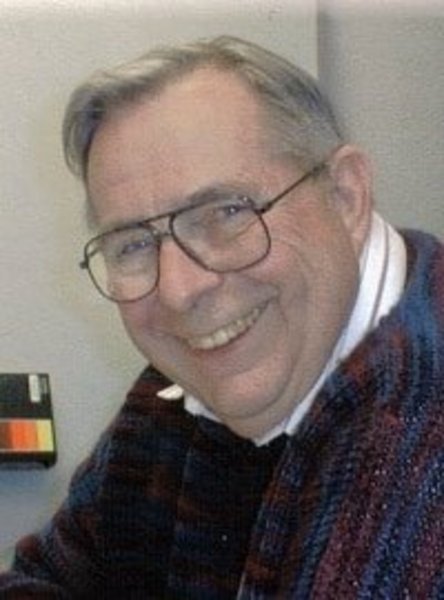
Bob Pendleton
Bob Pendleton taught math for 17 years at Indiana University, Dartmouth, the Massachusetts Institute of Technology, Louisiana State University and Whittier College. He is a retired Captain in the U.S. Coast Guard Reserves, did operations analysis for the U.S. Navy, and practiced law. He holds and AB from Oberlin College (1958), a Ph.D. in math from Indiana University (1964), and a J.D. from Loyola Law School (1976). In his retirement he has been active local chapters of the ACLU and the League of Women Voters in Pasadena.
Comments

Powered by RoundtableAn AI/DeFi-powered Enterprise Media Operating System. Learn more at Roundtable.io.© Roundtable 2026. By using this site you agree to the Terms of Use and Privacy Policy