

Mar 27, 2020 3:17 AM
Updated Feb 10, 2022 10:12 PM
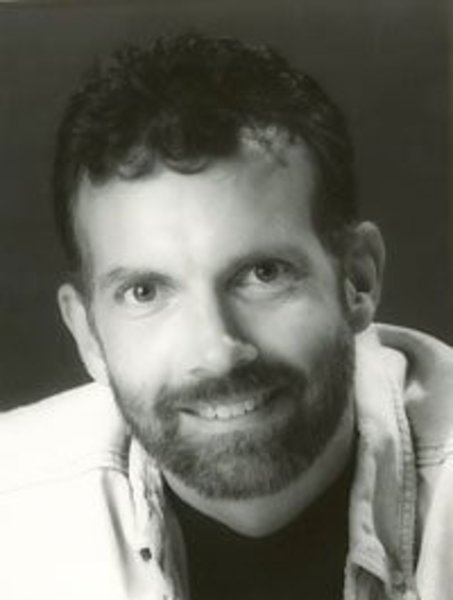
Johnny Townsend: even as a virginal, former Mormon missionary, I knew that the disease was affecting people who didn’t matter, and bigotry was preventing the populace as a whole from realizing they weren’t immune.
As I self-isolate at home, I see folks a block down from me hosting birthday parties. I see friends of mine getting together for various other reasons, some trying to keep a safe physical distance but others in the same group offering comforting back rubs during this stressful period. These folks want to show that they aren’t afraid of their friends. They don’t want to insult family members. But acting sensibly doesn’t mean panicking and accusing everyone of trying to kill you. As a gay man who came out in the 1980s, I understand that the only reasonable course of action at a time like this is to assume everyone is infected.
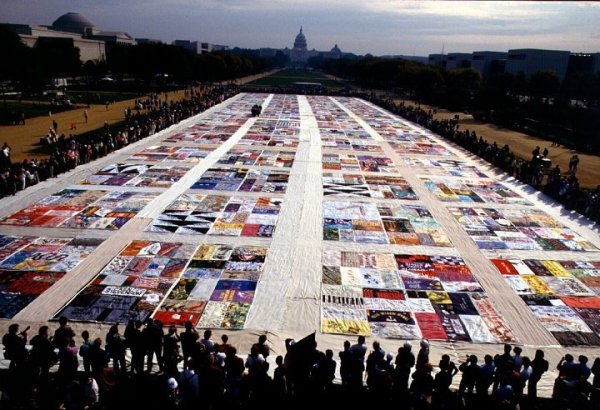
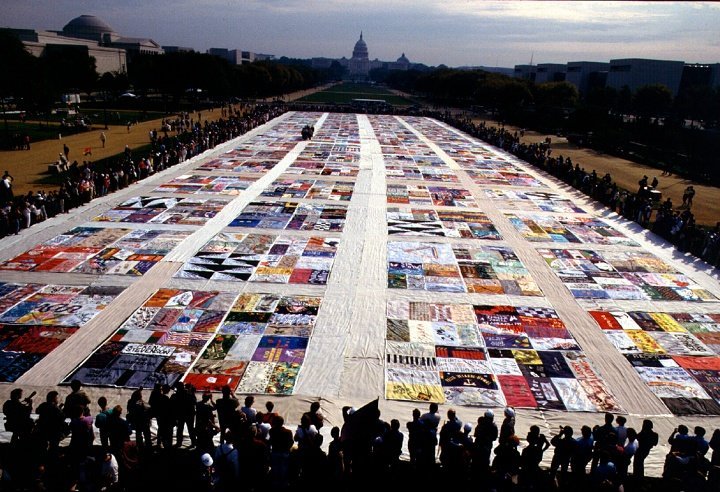
By the time I came out, the AIDS pandemic was well underway. I first learned of the disease from a one-paragraph article on the back page of my hometown newspaper in late 1982. I understood the impact immediately and wondered why that information wasn’t on the front page. But I knew the answer, even as a virginal, former Mormon missionary: the disease was affecting people who didn’t matter, and bigotry was preventing the populace as a whole from realizing they weren’t immune.
Even as a virginal, former Mormon missionary, I knew that the disease was affecting people who didn’t matter, and bigotry was preventing the populace as a whole from realizing they weren’t immune.
COVID-19 has become politicized as well. Perhaps it happens with every major disease. In the Middle Ages, bubonic plague was often blamed on the Jews. Hundreds of years later, Germans blamed the French for syphilis. In 19th-century America, the Irish were blamed for cholera outbreaks. The blaming only hurt communities. It never helped.
I didn’t start dating men until 1987, so I never had unsafe sex. It was clear that the only sensible way to interact sexually with other men was to assume they were all HIV+. Perhaps they hadn’t been tested and didn’t know their status. Perhaps they’d been infected since their last test. Perhaps they were lying, afraid no one would have sex with them if they told the truth. It didn’t really matter. The bottom line was that the only reasonable course of action was to assume everyone had the virus and behave accordingly.
Related stories
I admit, I had a lot of sex. Some of the other guys were negative, but a good many of them were positive. I wasn’t afraid of men with HIV. I simply took precautions. There was no need to make anyone an outcast.
Even one of my long-term partners had HIV, but I never caught the virus from him. We simply made efforts to be careful.
After we broke up, though, and I was playing with others again, I made a single mistake. One. One mistake. Playing with two elderly neighbors, I was surprised when one of the men penetrated me without first putting on a condom.
That wasn’t cool, I thought. But I didn’t want to offend the guy. So I didn’t insist he back out. At least for the next ten seconds. Then I repositioned myself so that my desired goal was achieved without having to say anything. That way, I didn’t have to take part in an awkward conversation that might hurt his feelings.
But ten seconds was all it took. Just one encounter with an infected man during which I behaved in a foolish manner radically changed the rest of my life.
Several days later, I became ill and passed out while waiting for the health clinic to open. Even so, I thought all I had was strep throat. I’d already forgotten about those ten foolhardy seconds. So a couple of months later, when a local hospital began accepting applicants for an HIV vaccine trial, I went in to be tested. I assumed I’d still be negative, as I had been after every other test, and would therefore qualify.
I didn’t qualify.
While some of my Mormon relatives believed I contracted HIV because I was a terrible sinner, the truth is I was infected because I was careless.
We can’t be foolish and worry about offending our friends and family by assuming they are infected with the coronavirus. It doesn’t mean we’re accusing them of anything. It’s not a slap in the face. It doesn’t mean we think they’re morally deficient in any way.
The corollary is for us not to feel offended when our friends and loved ones assume we’re infected and act accordingly.
My husband and I have been together over 12 years. We only have safe sex. I am not offended because we take precautions. I’m happy that he is still HIV negative.
Many of us are going to develop COVID-19. It’s far more communicable than HIV. But we can flatten the curve and make survival possible for more patients and healthcare workers if we just accept the new normal. Immediately.
We don’t need to panic. We just need to be careful around everyone, including—no, especially—the ones we love.
Johnny Townsend
Comments

Powered by RoundtableAn AI/DeFi-powered Enterprise Media Operating System. Learn more at Roundtable.io.© Roundtable 2026. By using this site you agree to the Terms of Use and Privacy Policy