


Jan 4, 2026 7:30 PM
Updated Jan 4, 2026 8:16 PM
A Global Review of Gender Equality in 2025
The year 2025 will be remembered by feminists, Women’s human rights defenders and gender equality activists not as a moment of linear progress, but as a year that laid bare a central truth: women’s rights are neither guaranteed nor irreversible. Across regions, hard-won gains faced backlash, authoritarian consolidation, militarization, and renewed efforts to control women’s bodies, voices, and movements. Yet 2025 was also a year of remarkable feminist resilience, political imagination, and transnational solidarity.
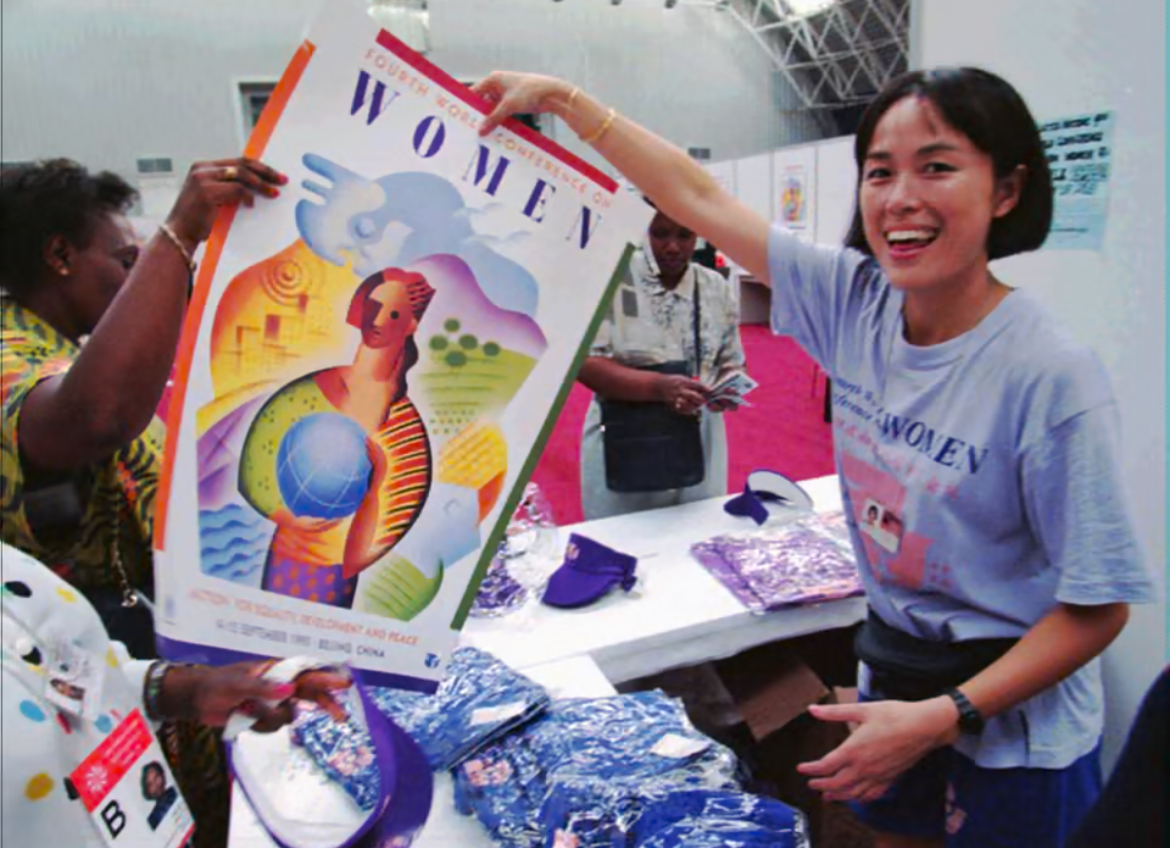
Thirty years after the Beijing Declaration and Platform for Action, feminist movements marked 2025 less as a celebratory milestone and more as a moment of reckoning. Global reviews confirmed what activists have long warned: progress toward gender equality has stalled or reversed in many countries. Legal rollbacks, shrinking civic space, economic austerity, armed conflict, and climate crisis have disproportionately harmed women and girls.
Beijing’s promise remains unfinished—not due to lack of vision, but because of political will undermined by underfunding, authoritarian governance, and the rise of far-right and fundamentalist religious ideologies that frame gender equality as a threat rather than a democratic necessity.
Resistance Under Authoritarianism and the Struggle for Survival in Asia
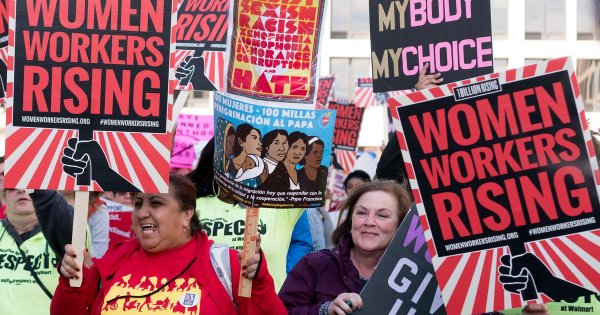
Across Asia, feminist and gender equality movements in 2025 operated in deeply constrained political environments, navigating repression, surveillance, and structural inequality. Key themes included resistance under authoritarianism, reproductive justice, femicide, labor exploitation, climate impacts, and the invisibility of care work.
Related stories
Middle East and Southwest Asia
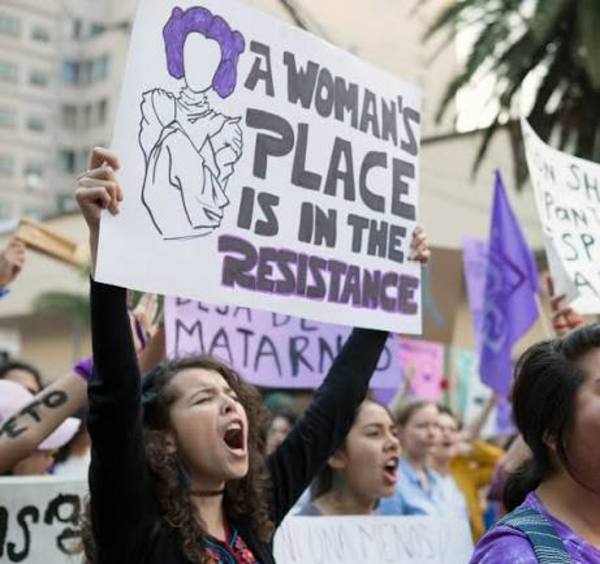
In Iran, women continued to resist compulsory veiling and systemic repression rooted in gender apartheid. The Woman, Life, Freedom movement remained a defining force despite mass arrests, executions, and state violence. Feminist resistance persisted not only in the streets but through everyday acts of defiance, courageous stand against tyranny, and international advocacy.
In Afghanistan, the Taliban’s near-total exclusion of women from education, employment, and public life intensified. Yet resistance endured through clandestine schools, digital activism, and global solidarity networks that refused to normalize gender apartheid.
In Palestine and Lebanon, women activists and human rights defenders sustained grassroots organizing amid militarization, occupation, genocide, economic collapse, and political instability. Gender equality work centered around community survival, care, and political dignity under conditions of prolonged violence.
East and Southeast Asia
In China, feminist activism faced severe digital censorship, surveillance, and crackdowns on independent NGOs. State-led reproductive policy shifts—such as ending birth limits—highlighted the enduring reality of state control over women’s bodies rather than genuine reproductive autonomy.
In Japan and South Korea, moderate progress in gender parity within politics and workplaces continued, yet feminist and gender equality movements emphasized persistent inequalities, particularly unpaid care work, workplace harassment, and gendered exclusion in corporate and technology sectors.
South Asia
In India and Pakistan, feminist mobilizations against gender-based violence intensified, bringing renewed attention to femicides, honor killings, domestic abuse, and state impunity. Rural women, Dalit women, and informal workers organized around land rights, labor protections, environmental justice, and access to education—expanding feminism beyond elite and urban spaces. Here is a polished and tightened version with improved flow, clarity, and rhythm, while preserving your meaning and analytical tone:
Overall, Asia in 2025 revealed a stark divide: severe repression under authoritarian rule alongside reformist struggles within democratic contexts. Across both settings, feminists increasingly articulated economic justice, labor equity, climate survival, peace, safety and security in both public and private spheres, addressing femicide and the recognition of care work as central political demands.
Feminist Gains Amid Far-Right Backlash in Europe
Europe in 2025 was shaped by contradictory trajectories—progressive feminist policy advances in some regions alongside aggressive ideological backlash in others.
In Western and Northern Europe, new legislation expanded protections against gender-based violence, digital harassment, and workplace discrimination. Feminist campaigns increasingly linked climate justice with gender equality, emphasizing that ecological collapse and social inequality are mutually reinforcing.
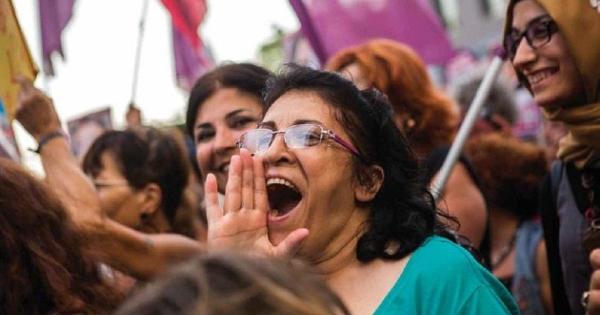
In Eastern and Central Europe, particularly Hungary and Poland, restrictive reproductive laws persisted, accompanied by intensified anti-gender campaigns. Feminism was framed as a “foreign ideology,” while LGBTQ+ rights and academic freedom faced systematic attack. In response, feminist networks mobilized mass protests, legal challenges, and digital campaigns, reinforcing transnational alliances to defend bodily autonomy and democratic norms.
Overall, European feminists in 2025 emphasized intersectional organizing, cross-border solidarity, and resistance to authoritarian nationalism—recognizing that gender equality cannot survive in illiberal democracies.
Intersectionality and the Struggle for Reproductive Justice in United States and Canada
In the United States, feminist mobilization continued in the aftermath of the Supreme Court’s reversal of Roe v. Wade. While some states expanded abortion protections, access remained deeply uneven, shaped by race, class, geography, and immigration status. Feminist activism increasingly centered intersectionality—linking reproductive justice to racial justice, economic inequality, police violence, workplace harassment, and femicide.
Digital platforms played a dual role: amplifying feminist organizing while exposing activists to harassment, surveillance, and online violence.
In Canada, feminist advocacy focused on expanding parental leave, childcare infrastructure, and Indigenous women’s rights. At the same time, feminist critique highlighted persistent gaps between policy commitments and lived realities—particularly for Indigenous, racialized, migrant, and disabled women.
Overall, North America in 2025 demonstrated how legal progress must be defended through sustained grassroots struggle to prevent erosion and exclusion.
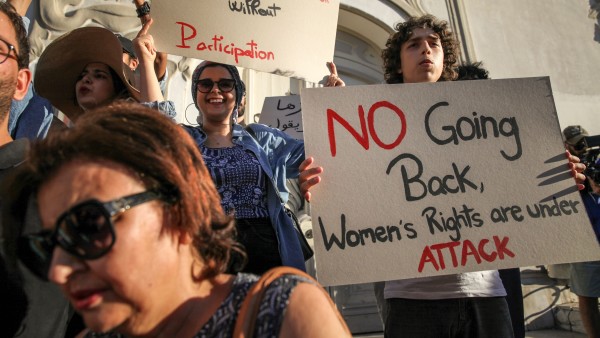
Feminism as a Mass Political Force in Latin America
Latin America remained one of the most dynamic centers of feminist mobilization globally. In 2025, major victories included the expansion and defense of abortion rights in countries such as Colombia and Uruguay. At the same time, feminist movements confronted endemic femicide, police violence, and gender-based violence—particularly in Central America and Brazil.
Indigenous women’s movements played a leading role in environmental justice campaigns, linking land defense, and women’s bodily autonomy. Feminism in the region continued to merge street protest, cultural expression, legal advocacy, and transnational solidarity.
Overall, Latin America exemplified feminism as a mass democratic movement—rooted in community organizing and sustained political pressure.
Political Participation, Crisis, and Feminist Resilience in Africa
Across Sub-Saharan Africa, women made gains in political representation at local and national levels, though structural inequalities remained deeply entrenched. Grassroots campaigns targeted gender-based violence, child marriage, education access, and economic exclusion.
Climate crises—flooding, drought, and food insecurity—disproportionately impacted women farmers and rural communities, prompting feminist-led adaptation and resilience programs.
In North Africa, feminists in Egypt, Morocco, and Tunisia confronted digital repression, NGO restrictions, and political backlash. Advocacy focused on reproductive rights, domestic violence legislation, and women’s political inclusion.
In conflict zones such as Sudan, South Sudan, Somalia, and the Sahel, women activists operated under extraordinary risk, addressing sexual violence, displacement, and militarization while insisting on women’s leadership in peace-building.
Overall, African feminists in 2025 balanced incremental political gains with resistance to violence, environmental catastrophe, and structural inequality.
Key Global Trends Across Regions
Across all regions, several defining patterns emerged:
- Resistance under repression: Women organized despite imprisonment, violence, censorship, and war.
- Digital activism and digital violence: Online spaces became both tools of mobilization and sites of surveillance and gendered attack.
- Intersectionality: Feminist movements increasingly connected gender with race, class, climate, migration, disability, and age.
- Climate and care work: Recognized globally as central gender political issues, not private responsibilities.
- Global solidarity: Cross-border feminist alliances strengthened, even as nationalism, militarization, and far-right movements sought to fracture them.
Gender Equality as a Democratic Force
Despite fragmentation, repression, and backlash, 2025 reaffirmed gender equality, Women’s dignity and rights as one of the most enduring democratic forces of our time. Women’s movements connected struggles across borders—linking bodily autonomy, anti-militarism, climate justice, racial justice, and economic rights.
At its core, feminism in 2025 insisted on a simple but radical truth:
There can be no democracy, peace, or justice without gender equality and as Arundhati Roy reminds us: Another world is not only possible, she is on her way. On a quiet day, I can hear her breathing!
Comments

Powered by RoundtableAn AI/DeFi-powered Enterprise Media Operating System. Learn more at Roundtable.io.© Roundtable 2026. By using this site you agree to the Terms of Use and Privacy Policy