


May 11, 2026 7:52 PM
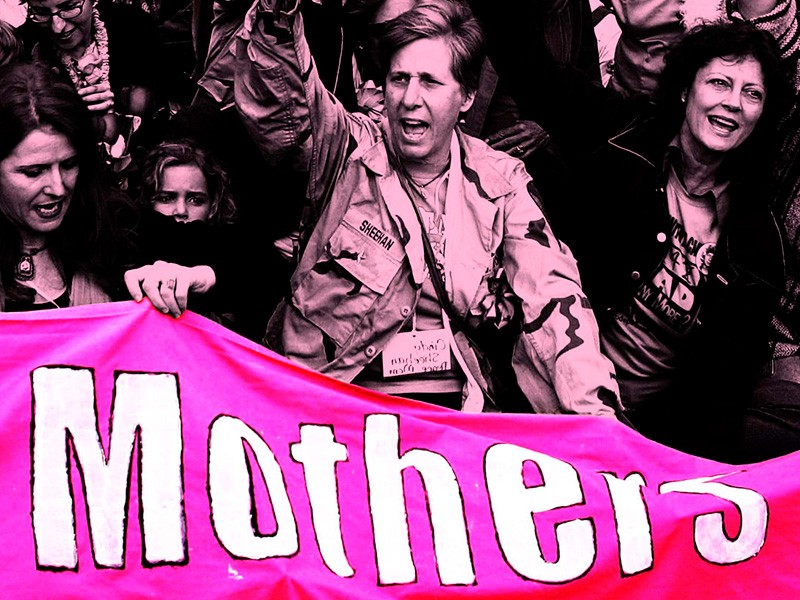
Motherhood in the United States is celebrated symbolically, yet far too many mothers remain neglected politically, economically, and socially.
As the sun sets on Mother’s Day 2016, flowers begin to fade and the warm embraces and heartfelt messages of gratitude are gently folded into a mother’s memory. Across the United States, millions of mothers are honored with affectionate words and expressions of appreciation. For a few brief hours, mothers from every background are recognized as the emotional center of families and communities, and the often invisible labor of their care, endurance, and sacrifice is acknowledged. It is a meaningful and heartfelt tribute. Yet as the day ends, another reality quietly resumes.
For millions of mothers especially those living at the economic and social margins the struggle for daily survival continues without pause. The pressures of paying rent, securing affordable childcare, navigating underfunded schools and strained healthcare systems, and enduring exhausting work schedules return immediately. Alongside these material burdens is the emotional weight of caregiving: supporting children, caring for elders, and holding families together under conditions of chronic stress and uncertainty.
For mothers facing domestic violence, single mothers raising children alone, mothers with disabilities, immigrant mothers living with fear and instability, and Black, Latina, Indigenous, and other mothers of color confronting systemic racism and inequality, motherhood is shaped not only by love but also by persistent hardship and structural injustice. In these contexts, the celebration of Mother’s Day stands in sharp contrast to the unrelenting demands and inequalities that define everyday life.
Motherhood in the United States is celebrated symbolically, yet far too many mothers remain neglected politically, economically, and socially.
Related stories
One of the clearest examples is the experience of Black mothers, who in 2026 continue to confront profound inequities in maternal health, education, policing, and economic opportunity. Many Black mothers bear the dual burden of nurturing their children while preparing them to navigate a society still shaped by systemic racism. At the same time, they strive to preserve their children’s dignity, joy, and hope.
The disparities in maternal and infant health are particularly alarming. According to the Kaiser Family Foundation (KFF), pregnancy-related mortality among Black women remains more than three times higher than among White women 49.4 deaths per 100,000 live births compared with 14.9 deaths per 100,000. This stark gap persists even in one of the wealthiest nations in the world and reflects not biological differences, but the enduring impact of structural racism.
The KFF report on racial disparities in maternal and infant health highlights how unequal access to quality healthcare, chronic stress, environmental hazards, and discriminatory treatment within medical institutions contribute to these devastating outcomes.
On April 21, 2026, the Center for Health Law and Policy Innovation at Harvard Law School co-hosted a panel titled Confronting the Black Maternal Health Crisis: Strategies to Address and Reduce Systemic Harms Impacting Black Mothers. The discussion examined how structural racism, environmental conditions, public policy, and legal systems converge to endanger Black birthing people and explored practical steps to address these injustices. At the panel, Jamille Fields Allsbrook underscored the limits of a narrow “reproductive rights” framework and emphasized the broader lens of reproductive justice. She observed:
“A Black woman with a master’s degree is more likely to die from maternal causes than a White woman with a GED. When you control for education, income, housing—all the factors we usually think of as protective—and you still see Black and Indigenous women more likely to die, that tells you something else is going on. That ‘something’ is systemic racism.”
Professor Allsbrook emphasized that reproductive justice cannot be separated from environmental justice, housing, public health, and the criminal legal system, because these are the very arenas in which racism is institutionalized and reproduced.
The plight of Black mothers exposes a painful contradiction in American society. Motherhood is publicly honored, yet millions of mothers especially those from marginalized communities continue to face preventable dangers and entrenched inequities. Genuine respect for mothers requires more than symbolic celebration. It demands sustained political commitment to racial justice, equitable healthcare, economic security, and the protection of every mother’s right to survive and thrive.
Latina and immigrant mothers in the United States often endure what researchers describe as “cultural stress” the cumulative emotional strain caused by immigration uncertainty, language barriers, anti-immigrant rhetoric, discrimination, and the immense responsibility of holding families together across borders and generations.
Racism and immigration enforcement profoundly shape the experience of motherhood for these women. Many live with persistent fear of detention, deportation, family separation, and economic instability. These pressures create chronic stress that affects not only mothers’ mental and emotional well-being, but also their physical health and pregnancy outcomes.
A study published in December 2025 in the journal SSM – Qualitative Research in Health found that Latina and immigrant mothers in the United States report high levels of discrimination, fear, and psychological distress linked to both racism and immigration enforcement. The study concluded that these experiences contribute to adverse perinatal outcomes and significant disparities in maternal healthcare.
For many Latina and immigrant mothers, motherhood involves far more than caring for children. It means navigating unfamiliar institutions, overcoming linguistic and cultural barriers, defending their families against hostile policies, and preserving hope in the face of uncertainty. Their resilience is extraordinary, but resilience should not be mistaken for justice. Honoring these mothers requires policies that protect immigrant families, ensure equitable access to healthcare, and affirm the dignity and humanity of every mother, regardless of her birthplace or immigration status.
Native American mothers continue to live with the enduring consequences of colonization, land dispossession, forced assimilation, and the disproportionate violence inflicted upon Indigenous women. Yet they also draw strength from rich traditions of ceremony, storytelling, kinship, and communal healing that have sustained Indigenous communities across generations.
In many Native cultures, motherhood is regarded as sacred. A widely shared Indigenous teaching holds that every mother is a living bridge between those who came before and those yet to walk the Earth. Mothers are honored not only as caregivers, but also as carriers of memory, language, culture, and spiritual continuity.
Despite this profound cultural reverence, Native American mothers face some of the most severe economic inequalities in the United States. A report published on November 18, 2025, by the Institute for Women’s Policy Research (IWPR), titled Native American Women Face Most Severe Gender Wage Gap, found that a typical Native American woman earned just 52.7 cents for every dollar earned by a typical White man in 2024. This disparity, which includes full-time, part-time, year-round, and part-year workers, translates into approximately $26,000 less in annual earnings.
These economic inequities are compounded by high rates of poverty, limited access to quality healthcare, inadequate housing, and the ongoing crisis of Missing and Murdered Indigenous Women and Girls (MMIWG). For Native mothers, the work of nurturing children often unfolds amid structural barriers rooted in centuries of injustice.
Yet Native American mothers continue to embody extraordinary resilience. They preserve ancestral knowledge, revitalize Indigenous languages, defend tribal sovereignty, and nurture future generations with deep love and determination. Honoring these mothers requires more than symbolic recognition. It demands a national commitment to economic justice, healthcare equity, safety, and respect for Indigenous rights and self-determination.
White mothers, on average, tend to enjoy greater economic security and social advantages than mothers from many other racial and ethnic groups in the United States. Yet this relative privilege does not shield millions from the structural challenges associated with caregiving, single parenthood, and economic vulnerability.
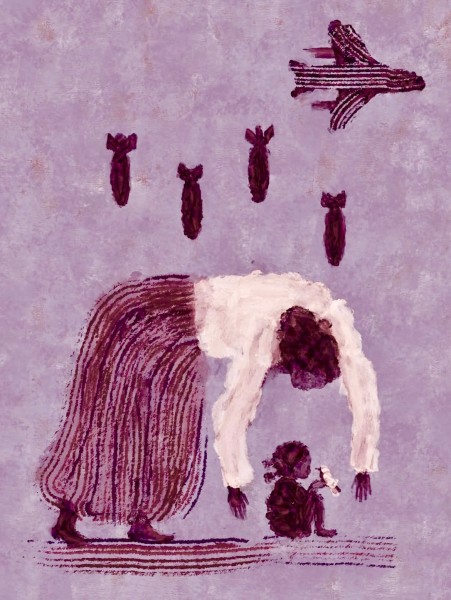
In 2024, there were approximately 15.72 million families in the United States headed by a female householder with no spouse present. According to data compiled by Statista based on United States Census Bureau data, roughly 80 percent of all single-parent households in the United States are headed by mothers.
These figures underscore a broader reality: motherhood in America often involves carrying the primary responsibility for raising children while simultaneously managing paid work, household labor, and financial pressures. For single mothers in particular, the demands can be overwhelming, regardless of race.
Many White mothers especially those in working-class and low-income communities struggle with the high cost of housing, childcare, healthcare, and education. They may also face domestic violence, disability, caregiving for aging parents, and limited workplace flexibility. While racial privilege can provide meaningful advantages, it does not eliminate the economic and emotional burdens that millions of mothers shoulder every day.
The experience of White mothers therefore illustrates an important truth: although race significantly shapes opportunities and outcomes, the undervaluation of caregiving and the lack of robust social support affect mothers across all communities. A society that truly honors motherhood must ensure affordable childcare, paid family leave, accessible healthcare, living wages, and strong protections for all mothers and their children.
Despite their distinct histories and lived realities, mothers across racial, cultural, and economic lines share many common experiences: feeling unseen or unheard by institutions, carrying the weight of intergenerational trauma, struggling with burnout and isolation, and working to protect their children from racism, violence, and systemic inequality. Many also navigate the difficult task of preserving cultural identity while ensuring economic survival, often in the absence of strong community support systems that once sustained family life.
Yet alongside these burdens, mothers consistently embody extraordinary resilience. They sustain families and communities through wisdom, spirituality, creativity, and long-standing traditions of collective care that have been passed down across generations. Even under conditions of deep inequality, they continue to build forms of solidarity and survival that are often overlooked but profoundly transformative.
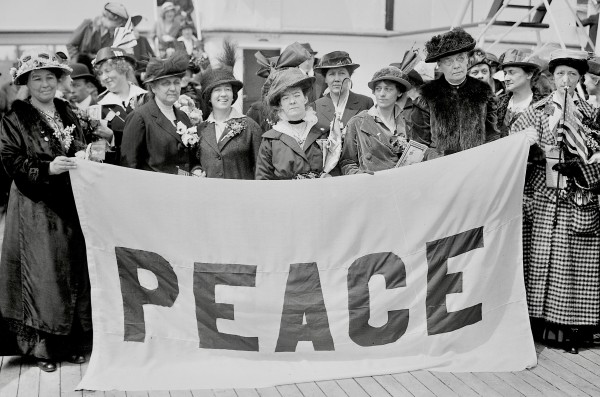
It is also important to remember that the history of Mother’s Day is far more radical and politically meaningful than its contemporary commercial expression suggests.
In 1870, Julia Ward Howe, author of The Battle Hymn of the Republic, issued her historic Mother’s Day Proclamation in the aftermath of the American Civil War and the Franco-Prussian War. Her call was a bold appeal for women across nations to unite against war and refuse the sacrifice of their children to militarism. In powerful language that continues to resonate today, she declared, “Our sons shall not be taken from us to unlearn all that we have been able to teach them of charity, mercy and patience,” and issued one of the most enduring antiwar calls in history: “Disarm, disarm! The sword is not the balance of justice.”
Howe’s proclamation was not a sentimental tribute to motherhood. It was a feminist political manifesto grounded in an ethic of care and a vision of women as moral and political agents capable of reshaping society. Long before feminist peace theory named these ideas, Howe recognized that the values traditionally associated with mothering, care, interdependence, responsibility, and the protection of life belonged not only in the private sphere but also in public life and global governance.
Her vision directly challenged patriarchal power structure and systems that normalize conquest, domination, and war, and instead elevated care, dialogue, and solidarity as the foundations of a more just and peaceful world.
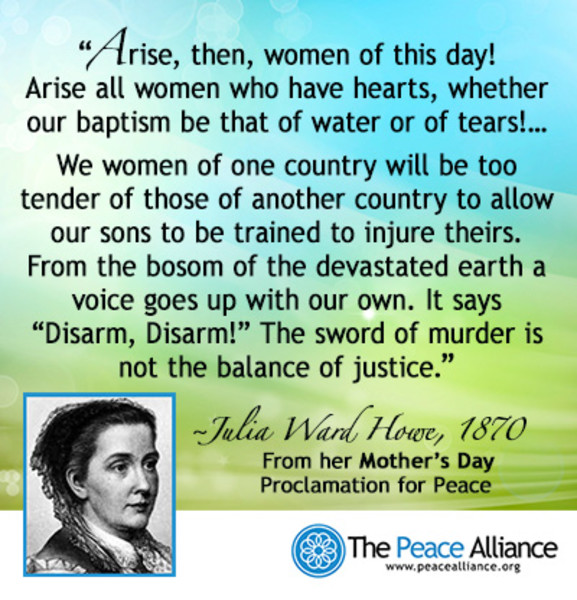
More than a century and a half 156 years, to be exact, after Julia Ward Howe issued her Mother’s Day Proclamation, her words remain a powerful reminder that motherhood is not only a private role but also a profound political force.
Today, in an era still marked by war and militarization, including recent U.S. military actions such as Operation Epic Fury against Iran reported to cost an estimated $25 billion, with some estimates reaching as high as $70 billion, the tension between public investment in war and public neglect of social well-being remains stark. Against this backdrop, Howe’s call to “disarm, disarm” continues to echo as a moral challenge to governments and societies.
Despite persistent gender gaps and structural inequalities affecting women, the United States has not formally adopted comprehensive gender-responsive budgeting (GRB) at the federal level. As explained by UN Women: What is gender-responsive budgeting, GRB is a policy approach that systematically assesses how public spending and revenue decisions impact women and men differently. Unlike more than 100 countries that have integrated some form of GRB into their national budgeting processes, the U.S. does not consistently track or evaluate federal expenditures through a gender equality lens.
The consequences of this gap are visible in the lived realities of families. Women and children in the United States continue to face significant economic strain. According to the Supplemental Poverty Measure, nearly 13.6 percent of women and 13.4 percent of children lived in poverty in 2024. As highlighted in a fact sheet by the Institute for Policy Studies, federal policy choices play a significant role in shaping these conditions, often leaving women and children more vulnerable to economic insecurity.
These realities underscore a deeper structural contradiction: while mothers are publicly celebrated, the social and economic systems that sustain them remain insufficiently resourced and unevenly designed. Peace, in this context, cannot be reduced to the absence of war. It must be understood as the presence of justice, dignity, equality, and care.
Mother’s Day, therefore, should be more than a symbolic occasion marked by flowers and gratitude. It should be a renewed political and moral commitment to building a society in which every mother can live free from poverty, violence, discrimination, and war.
As Arundhati Roy once said “ Another world is not only possible, she is on her way. On a quiet day, I can hear her breathing.”
Comments

Powered by RoundtableAn AI/DeFi-powered Enterprise Media Operating System. Learn more at Roundtable.io.© Roundtable 2026. By using this site you agree to the Terms of Use and Privacy Policy