
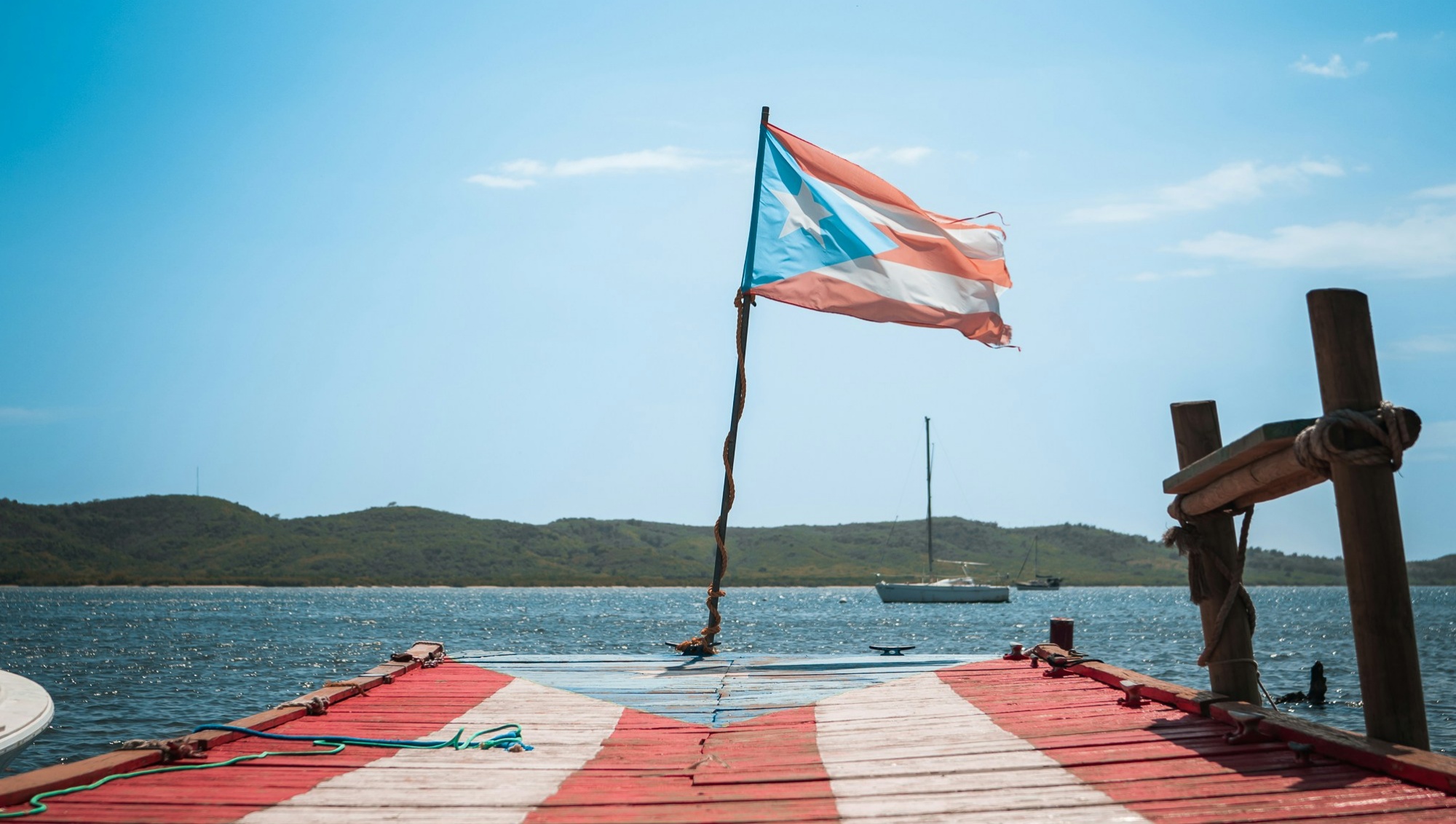
Photo by Eric Ardito on Unsplash


To fight colonialism is not just a political, spiritual and psychological struggle but a fight for Puerto Rico's soul. To accept colonialism is to accept defeat.
Sep 27, 2024 3:08 AM
To fight colonialism is not just a political, spiritual and psychological struggle but a fight for Puerto Rico's soul. To accept colonialism is to accept defeat.
The colonial mentality in Puerto Rico is a deeply ingrained, pervasive force that has shaped Puerto Rican identity, culture, and society for generations. It manifests as the acceptance of American superiority and Puerto Rican inferiority, subtly conditioning the population to believe they are unfit to rule or govern themselves.
This toxic mindset is both insidious and powerful, keeping many trapped in a mental cage of dependence, fear, and subservience to an external colonial power. If the colonial mentality had a motto, it would be “Puerto Rico no puede” (Puerto Rico can’t).
To break free from this psychological prison, Puerto Ricans must first recognize the colonial mentality for what it is: a disease of the mind and spirit that shackles them to a false sense of security and inferiority.
The U.S. colonial system, much like other oppressive constructs, has been carefully designed and utilized to suppress the full potential of Puerto Ricans. For decades, through media, education, social pressure, and political systems, Puerto Ricans have been indoctrinated to believe that they need the United States to survive and that freedom and independence would bring chaos, poverty, and instability.
Related stories
This is a blatant lie (that somehow only applies to Puerto Ricans) that has been repeated so often for decades that many have accepted it as truth, much like a collective and colonial Stockholm Syndrome where prisoners come to believe their jailers are their protectors and saviors because they give them crumbs.
The Historical Persecution of Pro-Independence Advocates
One of the most overlooked yet crucial factors in entrenching the colonial mentality has been the historical persecution of pro-independence advocates and leaders. Puerto Rican patriots who dared to challenge and resist the colonial status quo have been systematically silenced, repressed, and criminalized by the U.S. colonial regime.
A glaring example of this is La Ley de la Mordaza (Gag Law) of 1948, which made it illegal to speak in favor of Puerto Rican independence or even to display the Puerto Rican flag.
This law, implemented by the U.S.-appointed colonial government, was used to persecute and imprison pro-independence leaders, instilling fear in the population and discouraging any form of nationalist and patriotic expression.
This repression of pro-independence advocates, coupled with the stigmatization and criminalization of their cause, created a climate of fear and distrust, effectively reinforcing the colonial mentality and political obedience to the United States. When the colonial regime uses force to suppress any sovereignty movement, it sends a message that independence is dangerous and unattainable, further deepening the belief that Puerto Ricans are unfit to govern themselves. The psychological scars left by these repressive policies have been passed down through generations and entrenched by colonial-controlled media and education policies, weakening the national spirit and cementing a sense of inferiority.
Cognitive Dissonance: The Defender of the Colonial System
Cognitive dissonance is one of the most potent psychological mechanisms that sustains this colonial mentality. When Puerto Ricans are confronted with information (books, data, and reports) and the reality that they could thrive as a sovereign nation, the discomfort of challenging long-held beliefs often leads them to reject the truth that Puerto Rico can become an economically prosperous sovereign nation. It is easier for many to defend the colonial system than to face the painful possibility that they have been deceived and manipulated for so long by colonial politicians.
This is why pro-sovereignty advocates and patriotic Puerto Ricans face such fierce opposition—not just from the colonial government or external forces but from pro-statehood and colonialist advocates who benefit and profit from Puerto Rico’s colonial subjugation.
The colonial mentality has become part of their identity, beliefs, livelihood, and sense of security. To threaten it is to threaten everything they hold dear, even if those beliefs are built on lies, fear, and illusions.
The Comfort of Dependence
Colonialism offers a false sense of comfort, a predictable structure that promises “foreign colonial stability” in exchange for subjugation and colonial obedience. Many Puerto Ricans cling to this illusion because the thought of self-governance is terrifying.
For over 126 years, they have been told time and time again by the U.S. and colonial governments that they are incapable of leading and ruling themselves and that they are better off under the wing of a powerful foreign power that extracts their wealth in return for food stamps, poverty, and dependency. This fear of the unknown, the fear of stepping into the role of citizens of a free and sovereign country, keeps them tied to an infamous, detested, and shameful colonial system that no free and self-respecting people would ever accept and tolerate.
The colonial system rewards conformity and loyalty while punishing deviation and resistance to American domination and colonialist policies. Those Puerto Rican patriots and pro-sovereignty advocates who question Puerto Rico's colonial status are often ridiculed, marginalized, or dismissed by colonial elites as radicals, leftists, and communists. This fear of social ostracization and persecution (which could lead to arrest or loss of employment) also plays a significant role in keeping the masses subdued and fearful of even appearing too patriotic, preventing them from embracing the uncomfortable truths about their status as a U.S. colony.
The Psychological Chains of Colonialism
The colonial mentality is more than just a political or economic issue; it is a weaponized psychological condition that warps how Puerto Ricans see themselves and their potential. It convinces them, from a young age, that they are powerless, inferior, and need external validation and control to survive and be anyone of importance.
This is a lie that must be shattered.
The colonial mentality in Puerto Rico, as in other colonies, is rooted in deeply ingrained assumptions that uphold a false belief in our inferiority. After centuries of being told that we are less capable, less intelligent, and less deserving of sovereignty and freedom, many Puerto Ricans have internalized this narrative, believing that we are inherently unfit to govern ourselves.
It is heartbreaking and enraging that some of our own people genuinely believe that Puerto Ricans could never manage a country or take charge of their destiny. To these happy colonials who dance at the sound of their own chains, the very idea of freedom and independence seems ludicrous, a fanciful dream detached from reality.
They have been conditioned to think that self-governance is beyond our reach, as if Puerto Rico’s natural state is one of dependence and submission to external powers. When the notion of sovereignty arises, they often react with fear and servility, saying things like, "How dare you think we can be free?" or "Be careful—you don’t want to anger the Americans."
This fear of upsetting the colonial power reveals the depth of psychological control that colonialism has over our people. It’s as if the mere demand for freedom is an act of rebellion too daring to consider, as though desiring sovereignty is a betrayal that risks the wrath of those in power.
The colonial mentality has poisoned our collective consciousness to the point where many view the pursuit of freedom as dangerous and unthinkable, rather than a natural and just birthright. This mindset, deeply entrenched in the minds of many statehooders and colonialists, must be dismantled if we are ever to reclaim our dignity, our authority, and our future.
For Puerto Ricans to be free, they must first reject and break these psychological chains. They must recognize that the colonial mentality is designed to weaken their sense of self and keep them in a state of dependency, colonial obedience, and inferiority. This is not just about political independence but about reclaiming the full dignity and pride of being Puerto Rican.
The Power of Anti-Colonial Cultural Projects
In the fight against the colonial mentality, cultural projects play a vital role in raising awareness and inspiring decolonial thinking. The recent film by Tito Román Rivera, "Psiquis – Un giro decolonial", is a perfect example.
This groundbreaking work delves into the colonial mentality of Puerto Ricans and emphasizes the need for more decolonial and anti-colonial projects to reshape the Puerto Rican consciousness. By confronting viewers with the psychological chains imposed by colonialism, "Psiquis" urges Puerto Ricans to take a hard look at the mental and emotional barriers that keep them from embracing their national identity and aspiring to sovereignty.
Projects like "Psiquis" are essential for the process of self-decolonization. They spark dialogue, challenge the status quo, and offer new narratives that push against the ingrained beliefs of inferiority and dependence. Cultural and artistic endeavors can serve as tools for liberation, helping Puerto Ricans reclaim their history, identity, and future.
The Call to Self-Decolonize
Patriotic Puerto Ricans and pro-independence and sovereignty advocates have a sacred duty to fight against this colonial mentality, not just for themselves but for future generations. To remain silent, to accept the status quo and inferiority, is to condemn the country to perpetual political and psychological subjugation. The first step in this struggle is to recognize the power of the colonial system over the mind.
How can Puerto Ricans begin to self-decolonize?
Education and Awareness
Understanding Puerto Rico's history and colonial past is crucial. Puerto Ricans must learn about the exploitation, manipulation, persecution, repression, and psychological tactics used by colonial powers to maintain control. This awareness is the foundation of resistance and national self-awareness. Learning about Puerto Rico’s history, particularly its heroes and patriots (like Pedro Albizu Campos and many others) and its patriotic history of resistance and defiance of colonialism, is a revolutionary act in and of itself.
As one can imagine, the U.S. colonial regime in Puerto Rico tries hard to shield young Puerto Ricans from their national and patriotic history lest they develop critical thinking skills and a patriotic and nationalist consciousness and identity that eventually rejects colonialism.
Embrace National Identity and Culture
Puerto Ricans must reconnect with their national identity, cultural roots, Spanish language, and national history. This means rejecting American assimilation and exceptionalism—the idea that American identity and culture are inherently superior—and embracing and celebrating the richness, beauty, and uniqueness of their Puerto Rican national identity instead.
Reject the Inferiority Complex
The U.S. colonial system thrives on convincing Puerto Ricans that they are lesser and inferior and that they cannot survive without the United States. This is false. History is full of examples of nations that have liberated themselves from colonial powers and thrived. Puerto Rico can do the same.
Challenge the Fear of Independence
Fear is the colonial system’s most potent weapon. Puerto Ricans must confront and reject the fear that freedom, independence, and sovereignty will lead to ruin. Freedom and sovereignty are not curses; they are the birthright of every nation, including the Puerto Rican nation. All previously colonized countries have never decided to revert to becoming colonies. Once a nation is free, it holds on and defends its freedom and sovereignty.
Support Pro-Sovereignty Movements
The struggle for independence and sovereignty will not be easy, but it is necessary. Puerto Ricans must unite behind movements that seek to free Puerto Rico from colonial rule, supporting leaders and organizations that work for a sovereign future. The current growth of pro-sovereignty and patriotic sentiment in Puerto Rico – and how it will impact future elections and referendums – gives me hope.
Create New Narratives
The current narrative that Puerto Rico is incapable of self-governance (due to our race, culture, or geographical size) must be replaced with stories of strength, resilience, patriotism, activism, nationalism, and hope. Puerto Ricans must envision and embrace a future where they control their country and their destiny and are no longer at the mercy of external colonial powers.
A Call to Action to Self-Decolonize
To every Puerto Rican reading this, understand that the colonial mentality is a disease — one that has infected generations of our people. Colonialism lives in your mind — it's time to evict it and reclaim your Puerto Rican pride! It is time to cure this disease by self-decolonization, recognizing its symptoms, and rejecting its lies.
We are not inferior or incapable and do not need to rely on the United States and any other nation for our survival, self-worth, glory, and great potential. Every day we accept colonial rule is another day we deny not just our birthright to sovereignty but our right to exist as a nation. Puerto Ricans, whether in the arts, culture, sciences, music, politics, revolution, entrepreneurship, or innovations, have achieved greatness in many fields and contributed to world history and civilization.
The fight against colonialism is not just a political battle but a spiritual and psychological struggle. It is a fight for Puerto Rico's soul. To accept colonialism is to accept defeat—it's time Puerto Rico stood tall and fought for its destiny.
We must wake up, unplug from the colonial system, and reclaim our national sovereignty as individuals and as a nation. The path ahead is challenging but also urgent, worthy, and necessary.
If we do not act, we risk losing ourselves forever to the comfort of our chains as mocked, marginalized, and disrespected minorities of our foreign colonizer. The choice is whether we will become the next tropical and relegated Hialeah or the world’s newest democratic sovereign nation with a seat at the United Nations.
It’s time to break free from the chains of colonialism, reclaim our pride, and rise up as fearless Puerto Ricans, ready to fight for the sovereignty that’s been ours all along. Let's shake off this colonial mentality and political shackles that have kept us chained for way too long and finally take what's rightfully ours!
Our future is in our hands, and it is time to seize it.
Boricua, Descolonízate!
Comments

Powered by RoundtableAn AI/DeFi-powered Enterprise Media Operating System. Learn more at Roundtable.io.© Roundtable 2026. By using this site you agree to the Terms of Use and Privacy Policy