
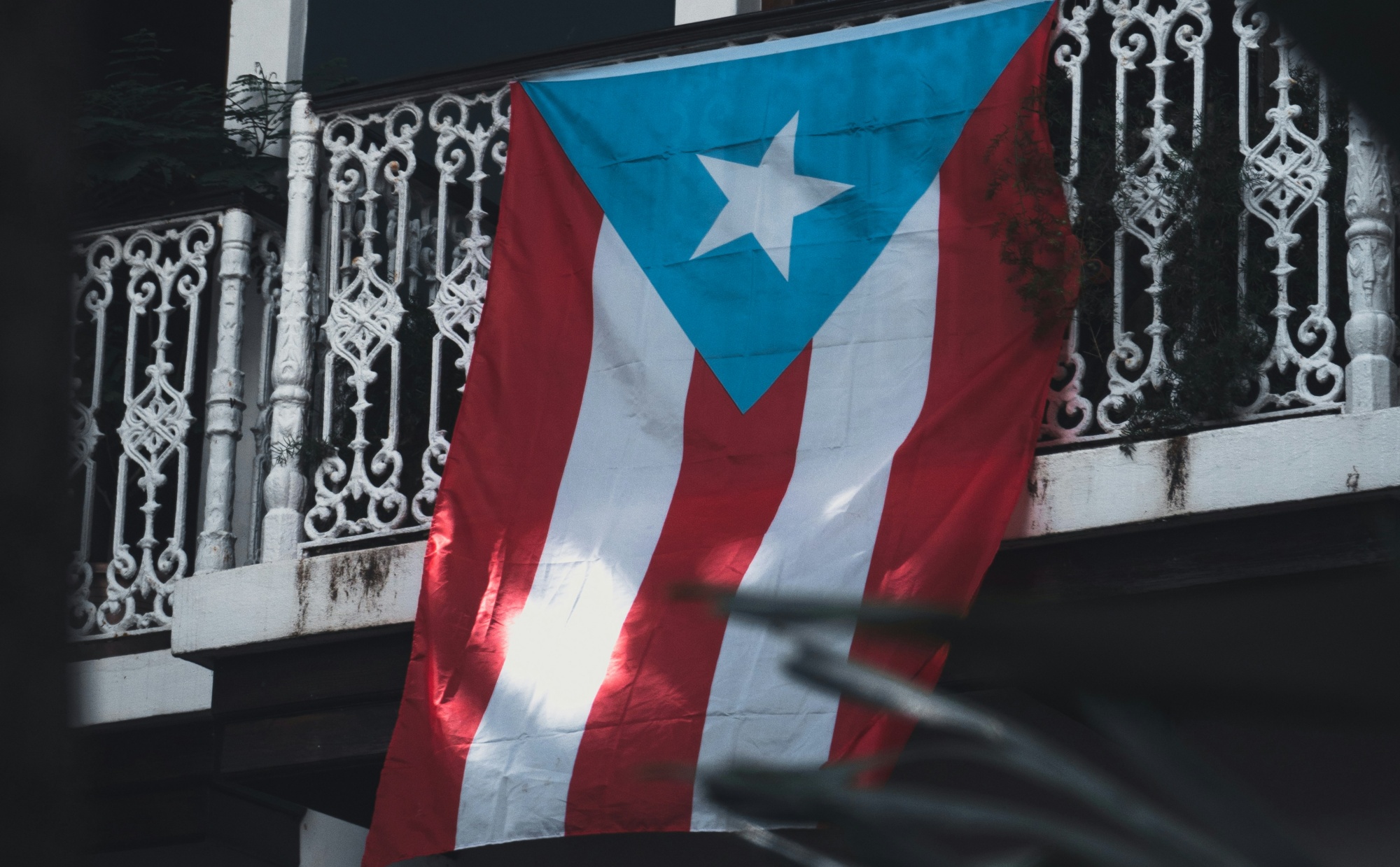
Photo by Luis Santiago on Unsplash


Pro-sovereignty sentiment, patriotism, and nationalism in Puerto Rico’s youth is the most significant political transformations in the island-nation’s history.
Feb 20, 2025 3:59 AM
Pro-sovereignty sentiment, patriotism, and nationalism in Puerto Rico’s youth is the most significant political transformations in the island-nation’s history.
For decades, Puerto Rico’s political status debate has revolved around three primary options:
- Statehood
- Current territorial Commonwealth (Estado Libre Asociado)
- National sovereignty (independence or free association)
Historically, statehood and Commonwealth status have dominated Puerto Rico’s electoral landscape for decades, with independence garnering limited support. However, a new generation of Puerto Ricans—particularly millennials and Generation Z—are increasingly shifting toward pro-sovereignty positions. This shift is evident not only in polling and election results but also in broader social and economic trends, particularly among young professionals, university-educated individuals, and members of the Puerto Rican diaspora.
The recent 2024 elections and status plebiscite underscored this growing trend. A referendum on statehood vs. non-statehood options resulted in a 51% to 49% rejection of statehood, with 43% of voters supporting sovereignty options (independence and free association). These numbers indicate that statehood’s appeal is eroding, particularly among younger, educated Puerto Ricans who see sovereignty as a viable and necessary step toward self-determination and decolonization.
Related stories
Young Puerto Ricans Are Leading the Sovereignty Movement
A university poll conducted in 2024 by Rayos X and the Universidad del Sagrado Corazón surveyed 1,900 young Puerto Ricans from at least 77 municipalities, revealing that among university students:
- 30% support Independence
- 22% support Free Association
- 15% support Statehood
- 33% remain undecided
This data confirms that a substantial percentage of Puerto Rico’s younger electorate, approximately 52%, is moving away from colonial options and toward sovereignty. Notably, these young voters are not just students but aspiring professionals, urban dwellers, and members of the Puerto Rican diaspora who are reshaping the discourse around sovereignty.
This generational shift reflects a broader dissatisfaction with the status quo and statehood’s empty promises. Hurricane Maria in 2017 was a pivotal moment that exposed the failures of U.S. colonial governance over Puerto Rico, leading many young Puerto Ricans to question the effectiveness of remaining a U.S. territory. According to NPR, many young Puerto Ricans see sovereignty as an opportunity for economic development, self-reliance, and cultural preservation.
Implications for Future Elections & Plebiscites
The decline in statehood support and the growing pro-sovereignty sentiment among Puerto Rico’s youth are set to have a profound impact on the island’s political future. The 2024 elections marked a significant shift, with Juan Dalmau Ramírez, the candidate for the Alianza País electoral bloc—a coalition of the Puerto Rican Independence Party (PIP) and the Citizen’s Victory Movement (MVC)—securing second place with 31% of the vote. Additionally, he dominated among young voters, earning 77% of the youth vote, as indicated by the university student poll conducted across Puerto Rico. This trend suggests that pro-sovereignty forces will continue to gain momentum heading into the 2028 elections, as more young Puerto Ricans register to vote and become politically active and engaged in shaping Puerto Rico’s future.
Moreover, the diaspora plays a crucial role in this shift. Many Puerto Ricans who have moved to the U.S. in recent years remain connected to Puerto Rico’s political future and are increasingly rejecting statehood. Their experiences abroad highlight the dangers of assimilation, racism, and cultural loss under statehood, further reinforcing their support for sovereignty.
The Decline of Statehood: A Fading Nightmare
Despite efforts by pro-statehood politicians like Jenniffer González and the corrupt PNP, the youth vote shows that statehood is losing ground. The 2024 plebiscite results confirm that statehood does not have the support of a majority of Puerto Ricans, particularly among younger voters. This aligns with the argument that statehood is an outdated and inviable option that does not reflect the aspirations of Puerto Rico’s future generations.
While statehood proponents continue to argue and lobby that statehood is inevitable, the data suggests otherwise. With pro-sovereignty support growing among younger voters, it is likely that future plebiscites will see even stronger support for independence and free association. The next major plebiscite, possibly in 2028, could very well mark the tipping point where pro-sovereignty forces gain a decisive majority.
The Sovereignty Movement’s Future
The rise of pro-sovereignty sentiment, patriotism, and nationalism among Puerto Rico’s youth is one of the most significant political transformations in the island-nation’s history. Young Puerto Ricans in Puerto Rico and in the diaspora, are rejecting the colonial status quo and questioning the viability of statehood, particularly in an ever-polarized and conflict-rife United States. Instead, they are embracing independence and free association as legitimate, viable futures for Puerto Rico.
As more young, educated professionals enter the political landscape, the movement for Puerto Rican sovereignty will only continue to grow. The 2024 plebiscite results prove that statehood is not the consensus choice of Puerto Ricans, and the 2028 elections could further solidify this shift. The future of Puerto Rico is in the hands of its young people, and their message is clear: it is time to move beyond colonialism and toward a sovereign future.
Comments

Powered by RoundtableAn AI/DeFi-powered Enterprise Media Operating System. Learn more at Roundtable.io.© Roundtable 2026. By using this site you agree to the Terms of Use and Privacy Policy