


Oct 14, 2017 6:32 AM
Updated Feb 10, 2022 10:14 PM
John Peeler: the Puerto Rican government never had the tax base it would have needed to catch up to mainland standards of infrastructure
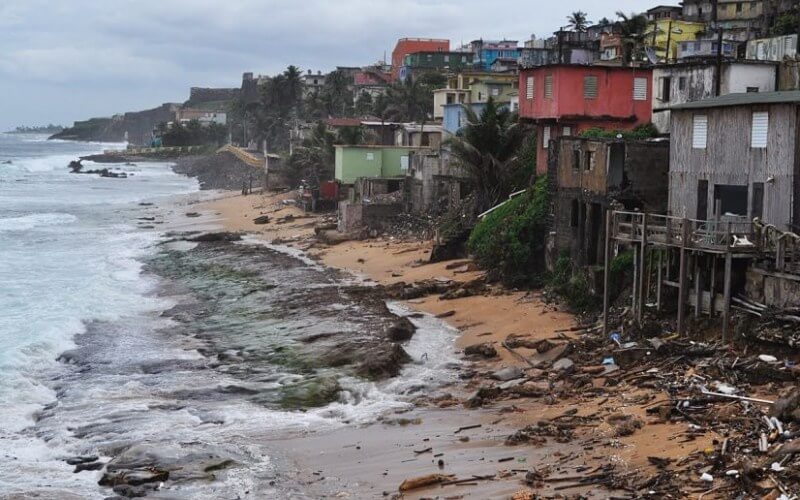
[/dc]D[/dc]onald Trump keeps up his war of words with Puerto Rican leaders, at a time when an island that could easily fit into metropolitan Los Angeles copes with the complete destruction of a direct hit by Category 5 Hurricane Maria. According to him, Puerto Ricans are just sitting back waiting for help, rather than helping themselves. How are they supposed to do that when power is out throughout the island, when there is no running water, no landline or cellphone service, and roads and bridges are out?
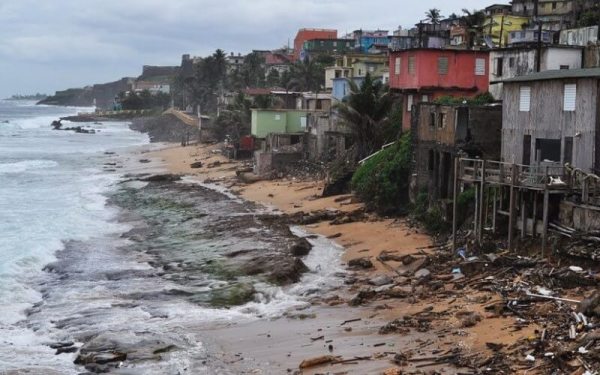
Ah, he says, things are so bad because the infrastructure was a mess before the hurricane. Well, it wasn’t bad by Caribbean standards, but it certainly was poor compared to the mainland USA. Whose fault is that?
The US occupied the island during the war with Spain in 1898, and decided it was so important to our naval control of the Caribbean that we should not give it up. But for nakedly racist reasons we refused to treat it as a territory eligible for statehood. For five decades the island was administered directly by Washington. Failure to invest adequately in infrastructure started then.
The Puerto Rican government never had the tax base it would have needed to catch up to mainland standards of infrastructure.
After World War II, embarrassed to admit it was a colony, we set it up as a self-governing “Commonwealth” (estado libre asociado, or “associated free state”). But the Puerto Rican government never had the tax base it would have needed to catch up to mainland standards of infrastructure, because the preceding US colonial government had never made it a priority to create a self-sustaining economy that could raise incomes. Instead, the island was left underdeveloped by an authority that really only cared about the island’s strategic value. Indeed, existing industries such as sugar and tobacco were neglected and allowed to decay.
Related stories
The Commonwealth government in the 1950s and 1960s undertook “Operation Bootstrap” (Manos a la Obra) that gave tax concessions to corporations that would set up manufacturing plants, but that program dried up in the 1970s when Congress failed to renew the tax incentives. This is just one major example of how Puerto Rico lacked political autonomy, even as its citizens reaped considerable benefits from their US citizenship (after 1915), and exemption from US income taxes.
The perverse result was a government that lacked the resources and autonomy to implement systematic policies to promote economic development, and a citizenry that struggled to make a living on the island while having easy access to a better life on the mainland. About one third of the island’s population receives the federal nutrition assistance that serves Puerto Rico in lieu of food stamps.
Puerto Rico was underdeveloped when it was taken from Spain, and has remained so during more than a century of US occupation. Who’s to blame for that?

John Peeler
Comments

Powered by RoundtableAn AI/DeFi-powered Enterprise Media Operating System. Learn more at Roundtable.io.© Roundtable 2026. By using this site you agree to the Terms of Use and Privacy Policy