


Photo by Jen Aist
Dec 15, 2023 5:18 PM
Why are women in Nicaragua more likely to survive childbirth than women in the U.S.?
It wasn’t quite a manger, but after I was born, my parents wrapped me in swaddling clothes and laid me in a dresser drawer lined with a blanket. They had a crib prepared for me at home, but home was a log cabin in the woods more than an hour away on a bumpy road. So, when my mom and I were released from the hospital, they brought me to an upstairs room they had rented from the widow Mrs. Long in town in Sandpoint, Idaho. They had spent the last few weeks there until I was born, and we would also spend the next few days there until my mom and I were well enough to make the journey.
In 1977 with CB radios as their only form of communication in the mountains, it was dangerous for my mom to make the trip to the hospital while in labor, and even more dangerous to give birth out in the wilds of north Idaho.
Today, it remains true that pregnancy and childbirth can be dangerous – but 80% of maternal deaths are entirely preventable. Nicaragua, where I now live, has proven this over the past 15 years: despite being one of the poorest countries in the Western Hemisphere, it has managed to reduce maternal mortality by 70% and infant mortality rates by 56%.
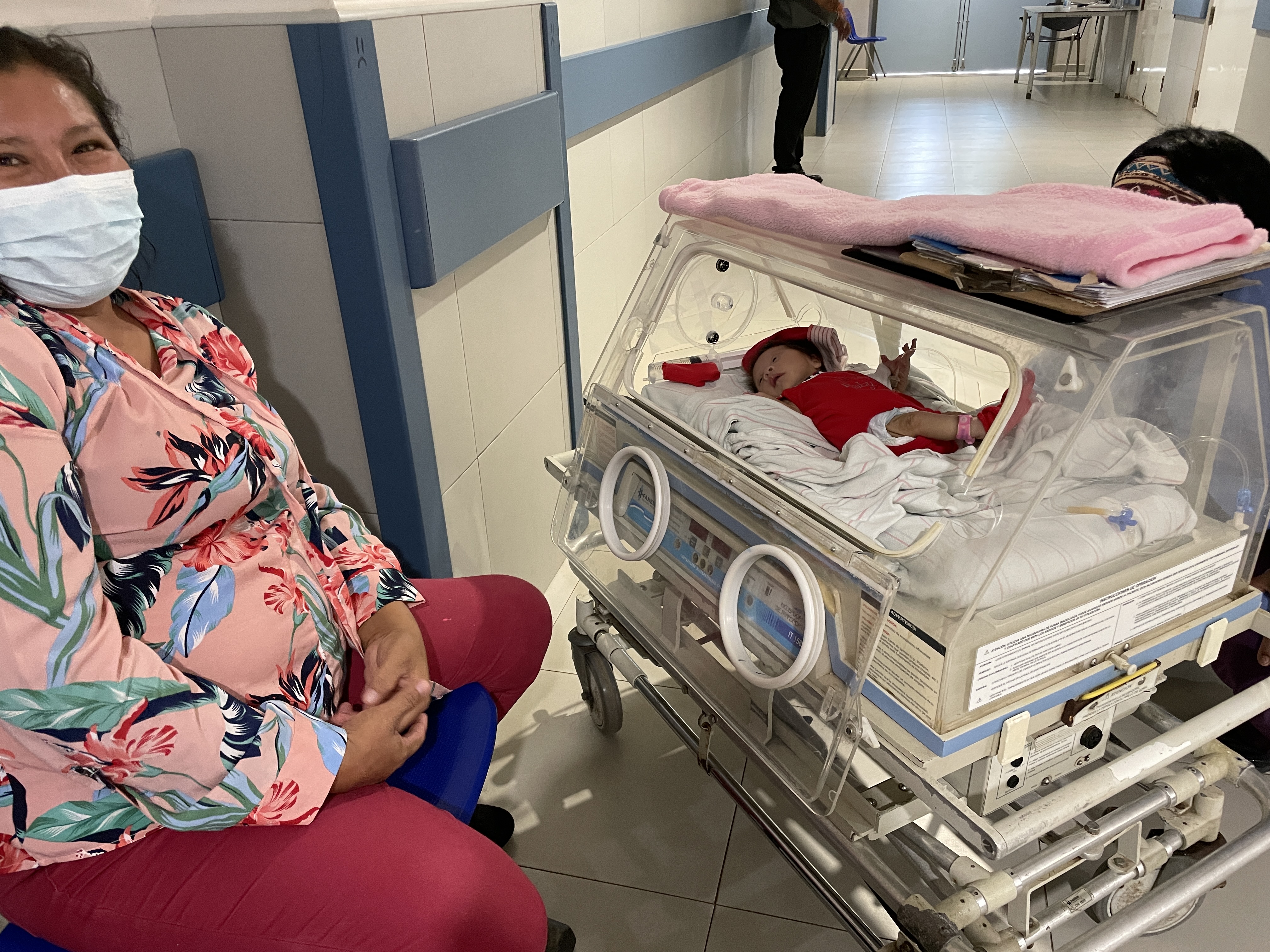
Through the country’s universal free healthcare system, all prenatal, childbirth and post-natal care in Nicaragua is offered countrywide free of charge – c-sections, premature births, neonatal ICU stays and, incredibly, even fetal surgeries are all free. Home births, previously common especially in rural areas, are now nearly unheard-of – 97% of all births are in hospitals. Lay midwives who once attended home births have now been incorporated into the healthcare system to provide prenatal and in-hospital birth support.
Related stories
In Nicaragua, 25 hospitals have been built new and 46 remodeled since 2007 to make giving birth in hospital a possibility even for rural families.
In Nicaragua, 25 hospitals have been built new and 46 remodeled since 2007 to make giving birth in hospital a possibility even for rural families. Respect for Nicaragua’s diverse cultures has been incorporated into new hospital birthing facilities so that Indigenous women can safely give birth squatting or standing up, the way that women in their communities have traditionally given birth.
For parents who still live far from hospitals, a network of 181 maternal wait homes around the country provide space for nearly 70,000 women per year to stay near a hospital for the last two weeks of their pregnancy. Food, housing and vocational training is provided free of charge, women rest and are checked by medical staff regularly and when they go in to labor they give birth safely in the hospital next door.
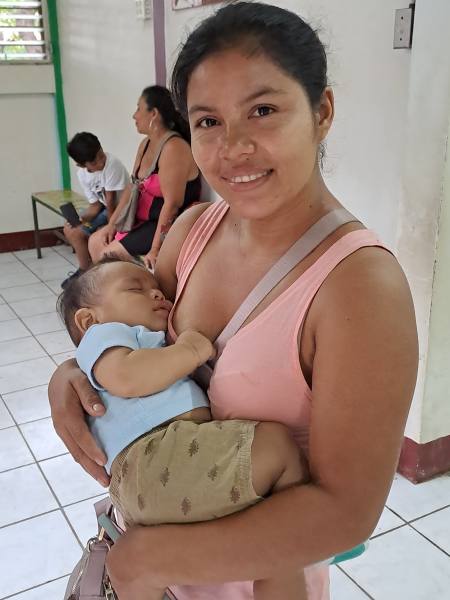
More than four decades after my mother went to stay in town with Mrs. Long in her self-made maternal wait home, the situation for women in rural Idaho hasn’t improved…in fact, it has gotten worse.
Today, Nicaraguans are less likely to die during pregnancy than Idahoans: Nicaragua had 31.4 deaths compared to Idaho’s maternal mortality rate of 40.1 deaths per 100,000 births in 2021, up from 13.6 in 2019. What is behind this sudden leap in maternal mortality?
In March of this year, the hospital where I was born – Bonner County General Hospital – announced it would stop attending births. The hospital said that it simply can’t find doctors willing to staff an obstetrics unit in Idaho, which has passed punitive laws making it easy to bring civil and criminal charges against doctors.
With this closure, the nearest hospital with perinatal care is now at least an hour away. But many families in rural North Idaho are low-income, lacking health insurance, and with limited access to reliable transport. For these families, the journey to the hospital might be as long as three hours in good weather and longer in a north Idaho winter. To put it simply, there are women and babies who will die.
Unfortunately, while Idaho’s case is extreme, it is not alone: according to a Centers for Disease Control and Prevention report, maternal mortality rates in 2021 increased by 40 percent over the previous year across the U.S.
How is it that a third-world country like Nicaragua has better maternity care than the richest country in the world?
How is it that a third-world country like Nicaragua has better maternity care than the richest country in the world? The answer is that the Nicaraguan government has the political will to provide that care. Over the past 15 years eradicating maternal and infant mortality has been a top priority that is carefully followed up on at all levels.
Recently the director of the local hospital where I live in Ciudad Sandino, Nicaragua, told me a story about a young pregnant woman from our city of 200,000 people with preeclampsia. This woman went to the local free health clinic with a headache and when the staff took her blood pressure it was very high. Over the next few hours, several dozen healthcare workers from local lay workers right up to the Minister of Health herself followed up to save the life of this young mother and her baby, with the hospital director personally going to the patient’s home to transport her to the maternity hospital in Managua for specialized care.
For Nicaragua’s healthcare system, a pregnant woman or her baby dying was an unacceptable outcome, and healthcare workers took every possible measure to prevent that. The result of this is that only one pregnant woman has died in Ciudad Sandino over the past three years – nationwide, only 37 women died last year. Each death was investigated and the details are available to the public.
Meanwhile, this past July, Idaho became the only state in the nation with no legal requirement or specialized committee to review maternal deaths related to pregnancy.
As winter falls on Idaho with its icy roads, heavy snowfalls and treacherously long journeys to the hospital, I pray that there are a legion of Mrs. Longs who can rent rooms near the hospital to expecting families. Or better yet, that Idahoans begin to follow Nicaragua’s example of maternal wait homes. Because if nothing changes, too many mothers in Idaho won’t live to lay their new babies in a manger.
Comments

Powered by RoundtableAn AI/DeFi-powered Enterprise Media Operating System. Learn more at Roundtable.io.© Roundtable 2026. By using this site you agree to the Terms of Use and Privacy Policy