


Aug 4, 2026 6:01 PM
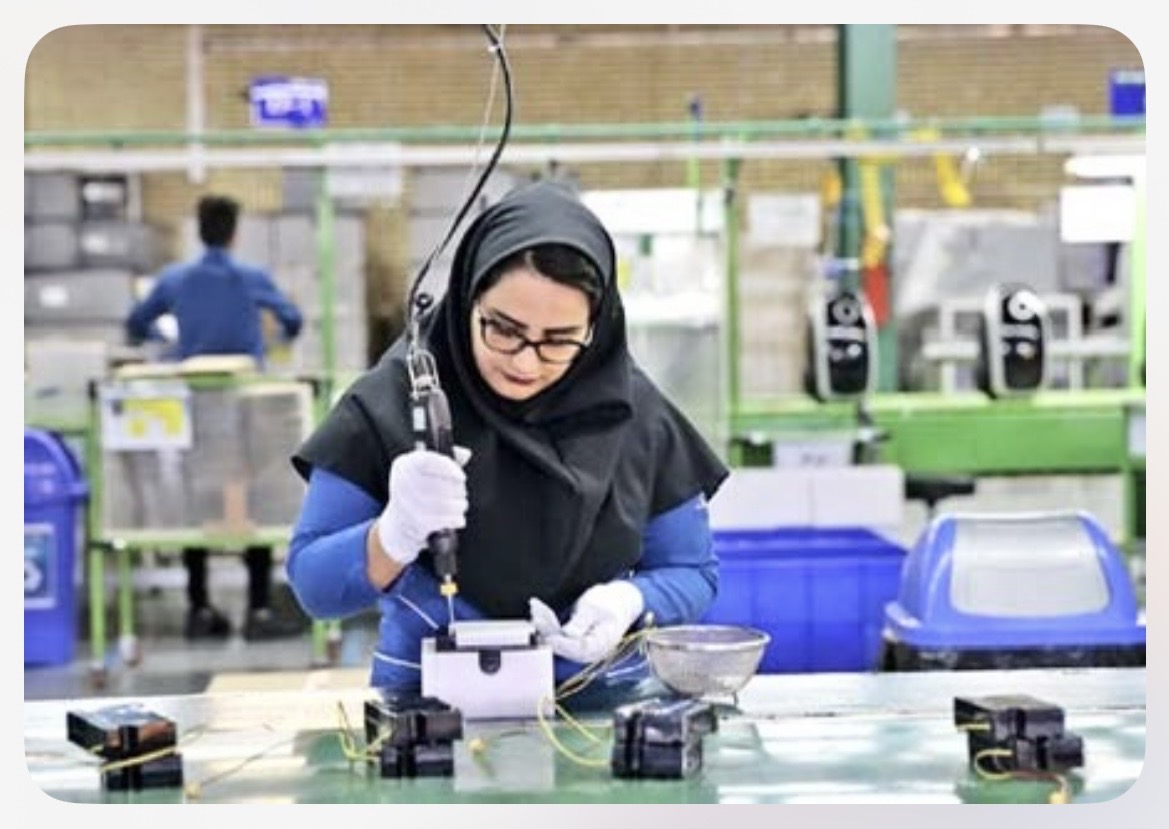
War, sanctions, inflation, job losses, and decades of institutionalized discrimination are pushing millions of Iranian women further into economic insecurity.
The reality is that Iran’s recent economic crises, compounded by the consequences of war and escalating economic uncertainty, have profoundly affected the country’s labor market. According to available data, approximately four million people have either lost their jobs or exited the labor force altogether. The prospect of continued negative economic growth in the coming months increases the likelihood of further layoffs, shrinking employment opportunities, and a growing number of households falling below the poverty line.
According to a report by the Iran Chamber of Commerce, between Esfand 1403 (February–March 2025)and Dey 1404 (December 2025–January 2026), more than 611,000 individuals insured by the Social Security Organization left formal employment. During the same period, more than 3.1 million people stopped looking for work altogether a phenomenon economists describe as labor force exit or discouraged workers. Gholamhossein Mohammadi, Iran’s Deputy Minister of Labor, stated that the 40-day war between Israel, the United States, and the Islamic Republic destroyed more than one million jobs and left approximately two million people unemployed. Labor market expert Hamid Haj Esmaeili similarly estimated that between the previous winter and the end of Farvardin (April), between three and 4.5 million people either became unemployed or left the labor market.
The latest figures from the Statistical Center of Iran show that the country’s labor force participation rate fell to 39.7 percent in the winter of 1404 (2025–2026). This means that of more than 66 million Iranians aged 15 and older—the country’s working-age population, only about 26 million are participating in the labor market, either through employment or by actively seeking work. Conversely, more than 40 million peopleremain outside the labor force and are not economically active.
Economists distinguish between unemployment and economic inactivity. An unemployed person is able and willing to work and is actively seeking employment but cannot find a job. Economically inactive individuals, by contrast, are neither employed nor looking for work. Experts emphasize that the unemployment rate alone does not accurately portray labor market conditions, since a declining unemployment rate may simply reflect growing numbers of discouraged workers exiting the labor force.
Related stories
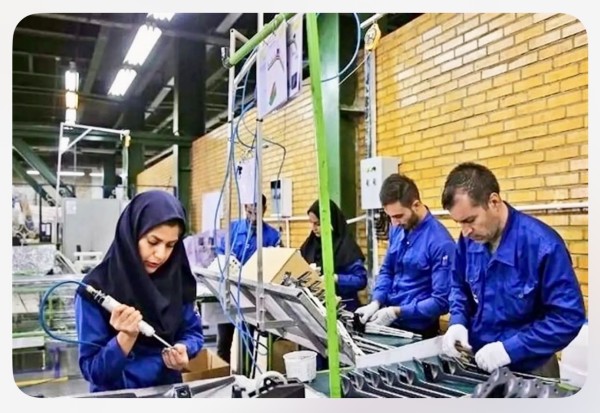
While the global average labor force participation rate exceeds 61 percent, Iran’s remains below 40 percent, indicating that a substantial share of the working-age population is neither employed nor actively searching for employment. Recent crises, particularly the consequences of war, economic uncertainty, and the destruction of productive capacity have further intensified this trend.
As observed in many conflict-affected countries, Iran’s experience demonstrates that women are typically among the first to lose job security during periods of economic crisis and workforce reductions. Their employment has long been more precarious than men’s, and women generally have more limited access to social protection, financial resources, and alternative employment opportunities.
This crisis has had a particularly severe impact on women. Available data indicate that approximately 73 percent of Iran’s economically inactive population are women. Of roughly 33.3 million women aged 15 and older, only about 4.077 million participate in the labor market, while more than 29 million womenremain outside employment altogether.
Even among economically active women, inequalities are stark. According to data from the International Labour Organization (ILO) and the World Bank, only 14–15 percent of women aged 15 and above participate in Iran’s labor force, compared with approximately 67–70 percent of men. This places Iran among the countries with the lowest female labor force participation rates in the world.
For comparison, the global average female labor force participation rate is approximately 47–48 percent, while the average across the Middle East and North Africa (MENA) region is estimated at 19–20 percent. Thus, women’s economic participation in Iran falls not only far below the global average but even below the regional average in one of the world’s lowest-performing regions for female labor force participation.
Women’s unemployment is estimated at around 15 percent, nearly double the national reported unemployment rate. The economic consequences of war, business closures, downsizing, rising living costs, and growing job insecurity have widened this gender gap. Women employed in the service sector, informal employment, and small businesses already among the most vulnerable segments of the labor market are typically the first to lose their jobs.
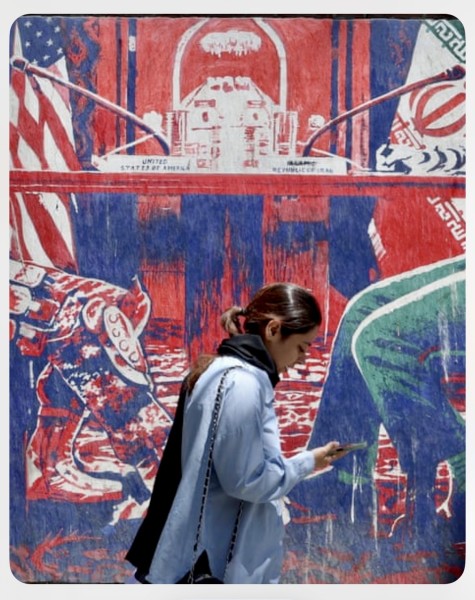
Moreover, crises increase unpaid caregiving responsibilities for women from caring for children and older adults to compensating for weakened public services further limiting their ability to remain in or re-enter the workforce. These trends illustrate that war is not merely a security or economic crisis; it also reproduces and deepens gender inequalities embedded within labor market structures.
A combination of cultural, economic, and structural factors including unequal distribution of household responsibilities, inadequate affordable childcare, limited access to remote and flexible work, gender discrimination in hiring, and insufficient employment opportunities matching women’s education and qualifications becomes even more pronounced during periods of war and economic crisis. Consequently, women’s large-scale withdrawal from the labor force should not be viewed simply as the outcome of recession, but rather as part of a broader structural process in which crises amplify existing inequalities and create additional barriers to women’s equal participation in economic and social development.
Available data also point to a 12 percent increase in single-person businesses. This should not necessarily be interpreted as evidence of growing entrepreneurship. Rather, it reflects the expansion of forced self-employment, whereby individuals turn to unstable, low-income independent work because stable employment opportunities have disappeared.
Economic crises and armed conflict typically have disproportionately gendered effects on labor markets. Women are often the first to lose employment during economic downturns, production declines, and workforce reductions. Recent reports on Iran’s labor market similarly indicate that women have borne the greatest burden of the latest wave of employment instability.
According to some reports, approximately 200,000 women have not only lost their jobs but have also withdrawn entirely from the labor force. Rapid inflation, rising transportation costs, childcare expenses, and low wages have made continued employment economically unviable for many women. As a result, many have exited the labor market not by choice but because of inadequate wages, job insecurity, and insufficient social protection.
Studies further suggest that the combined impact of economic sanctions, currency instability, and the looming threat of war has been especially severe in the service sector and internet-based occupations, which had previously represented important sources of employment for women. Government restrictions and internet shutdowns have further undermined these opportunities. Importantly, the problem extends beyond women’s removal from payrolls and insurance systems; in some cases, women have reportedly been replaced by male workers, illustrating how gender inequality is reinforced during times of crisis.
The barriers facing women in Iran’s labor market are not solely economic. They are deeply rooted in social, cultural, and institutional structures that have constrained women’s participation for more than four decades. Despite women’s substantial achievements in higher education and human capital development, they continue to face significant obstacles in entering and remaining in the labor market. Hiring discrimination, gender stereotypes regarding women’s leadership abilities, employers’ concerns over maternity leave and family responsibilities, and the lack of supportive infrastructure such as affordable childcare all contribute to the persistence of this gap.
Iranian-based sociologist Mostafa Abroshan argues that:
“The gender gap in the labor market results from a combination of structural, cultural, and economic factors. Traditional norms, gendered role divisions, limited employment opportunities, weak institutional support for women’s employment, the absence of childcare infrastructure, employers’ concerns regarding maternity leave, and family responsibilities all contribute to this situation. During economic recession, competition for scarce jobs intensifies, and women are generally excluded from the labor market more readily than men.”
He further emphasizes that women’s unemployment is not merely an economic issue but has profound social consequences:
“Employment is one of the most important foundations of economic independence. Long-term unemployment weakens that independence. Women without independent incomes face greater constraints in household and economic decision-making and become increasingly vulnerable during periods of economic crisis.”
From a broader development perspective, declining female labor force participation represents a failure to utilize a significant portion of the country’s human capital. Financial dependency, reduced investment in education and skills development, and growing economic insecurity can negatively affect family decision-making, marriage, fertility, and the long-term economic security of households.
International economic forecasts also paint a difficult outlook for Iran. While the International Monetary Fund (IMF)projects positive global economic growth, its recent forecasts continue to anticipate negative economic growth for Iran. This reflects the combined effects of economic sanctions, weak investment, political instability, and the consequences of war, all of which have placed additional pressure on the labor market.
Overall, Iran’s current employment crisis is not merely an economic problem; it is fundamentally a social, gender, and development challenge. The growing feminization of unemployment demonstrates that without dismantling nearly 47 years of institutionalized gender discrimination, strengthening social protection, creating equal employment opportunities, and investing in sustainable job creation, economic crises and armed conflict will continue to deepen existing gender inequalities and exclude a significant share of the country’s human capital from contributing to economic development and social prosperity.
Comments

Powered by RoundtableAn AI/DeFi-powered Enterprise Media Operating System. Learn more at Roundtable.io.© Roundtable 2026. By using this site you agree to the Terms of Use and Privacy Policy