


Mar 14, 2026 10:00 PM
Updated Apr 10, 2026 1:59 AM
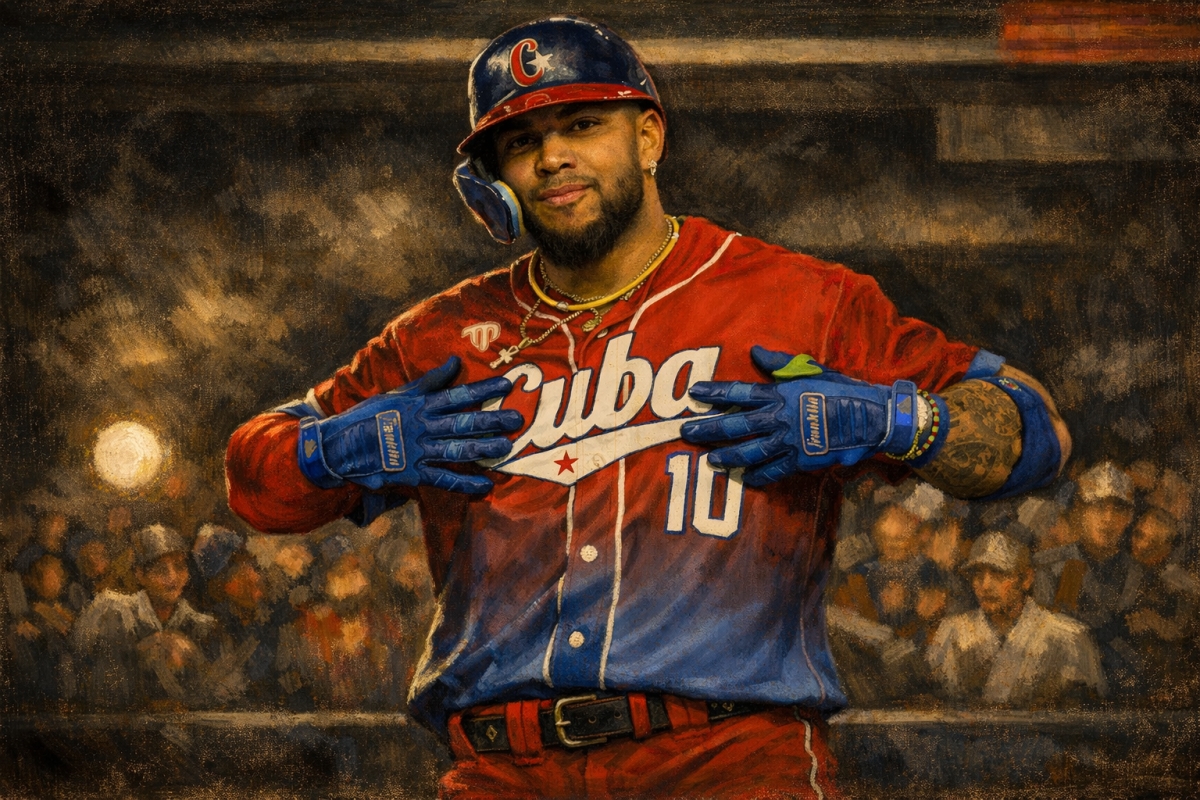
The visa denials were a blow not just to the Cuban team, which was forced to play at a considerable competitive disadvantage; this was a blow to baseball fans across the board.
As baseball fans around the world geared up for the Sixth World Baseball Classic, eight members of the Cuban team, along with their pitching coach and other support personnel, were denied visas to come to the United States. As a result, just 11 players were left to face a roster of 37 from the Kansas City Royals on March 3, 2026, and 33 from the Cincinnati Reds the following day.
The visa denials were a blow not just to the Cuban team, which was forced to play at a considerable competitive disadvantage; this was a blow to baseball fans across the board. And it ran counter to the goodwill of Major League Baseball and the organizers of the Classic, which draws together talent from around the globe.
The basis for the visa denial was simple; under the Immigration and Naturalization Act, Washington can deny visas to individuals from countries that it holds under sanctions. On January 29, the White House issued an executive order calling Cuba an “unusual and extraordinary threat.” This designation was the basis used by the administration of U.S. president Donald Trump to blockade ships carrying oil to Cuba and threaten to impose tariffs on any country daring to sell oil to the Caribbean nation.
Since Cuba has not threatened the United States militarily or economically — in fact, the roles are completely reversed, the only reason these athletes could be considered a threat is because of their renowned excellence. Hailing from an island nation of about 11 million people, Cuban Olympians win a disproportionate number of medals — more, in fact, than any Latin American country except Brazil. Cuba also bests most countries in the European Union. The only possible threat these athletes represent is that they are capable of beating U.S. teams on the playing field — and, most importantly, their presence could create cracks in the malicious and unfounded propaganda against their country from the administration of Donald Trump.
Related stories
Although their team was heading to Phoenix with a severe disadvantage, the Cuban National Institute of Sports, Physical Education, and Recreation said, “For almost seventy years of fighting U.S. aggression, sports have been one of the sectors most impacted by the policy of siege against Cuba, and we reiterate our strongest rejection of [the visa denials]. The U.S. authorities know that baseball is an intrinsic part of the history and pride of the Cuban people; but under any circumstances, the people of Cuba and their athletes will continue to win.”
The baseball players are not the only targets of the visa denial policies of the Trump administration. The U.S. state department has already denied visas to over 100 Cuban athletes in a number of sports, in effect denying dozens the right to participate in pre-qualifying games for the 2028 Olympics. This strips them of the right to compete outright in 2028 or places them and their teams at a severe disadvantage.
The Los Angeles Hands Off Cuba Committee (LAHOC), together with 5 affiliated Cuba solidarity committees in other cities, has been spearheading a campaign to put pressure on the International Olympic Committee to demand that all athletes be allowed to compete. The Trump administration’s policy is a direct violation of the IOC charter and is especially egregious as Washington prepares to host the games.
The LAHOC Let Cuba Play campaign has also appealed to solidarity committees in other countries to apply pressure to their country’s Olympic committees on behalf of the Cuban athletes.
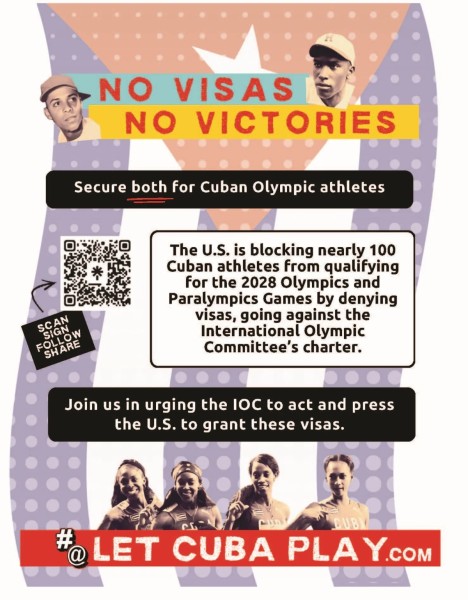
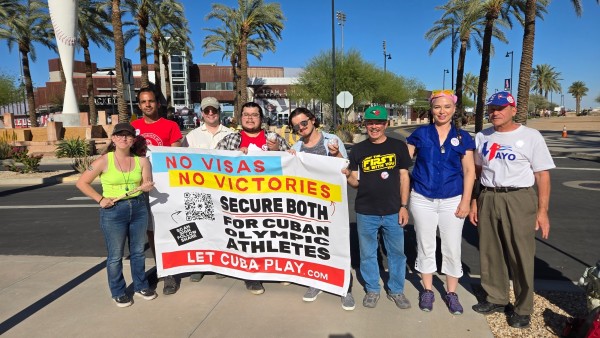
A small group of activists from Phoenix and Tucson, Arizona, alongside representatives of LAHOC, took their campaign to fans at the beginning and end of the exhibition games. Holding a large banner and handing out about 1,500 flyers to those attending, they received an overwhelmingly positive response.
Attendees included Cuban Americans, a minority of whom were there to heckle the Cuban team, but most came because they love baseball and their home country, whether or not they agree with its social system. Among the other fans from the United States, most learning about the visa denials for the first time, many were outraged at the lack of sportsmanship displayed by their country’s leaders.
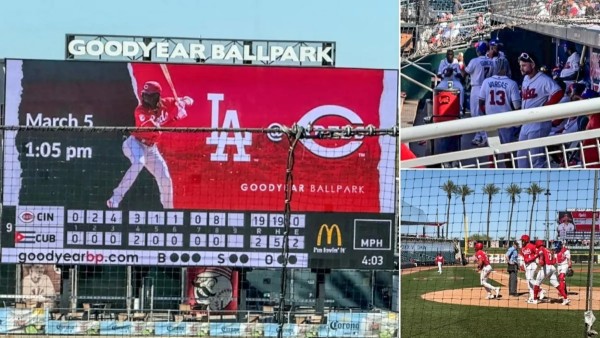
“While Cuba did not win on the field (2-19) [against the Cincinnati Reds], we did win new support for the Let Cuba Play campaign to obtain U.S. visas for Cuba’s Olympic athletes,” the solidarity activists said.
In Cuba, fans have been following their team’s progress during the games. The Cuban daily Granma highlighted the work being done by solidarity activists in the United States to demand an end to the U.S. blockade and promote free travel between the two countries.nation.
Comments

Powered by RoundtableAn AI/DeFi-powered Enterprise Media Operating System. Learn more at Roundtable.io.© Roundtable 2026. By using this site you agree to the Terms of Use and Privacy Policy