


Aug 4, 2018 11:45 PM
Updated Feb 10, 2022 10:52 PM
Jack Gil: From a diplomatic perspective, the EU must make an example of the UK so as to set a good precedent in case another country would consider to follow in Britain’s footsteps.
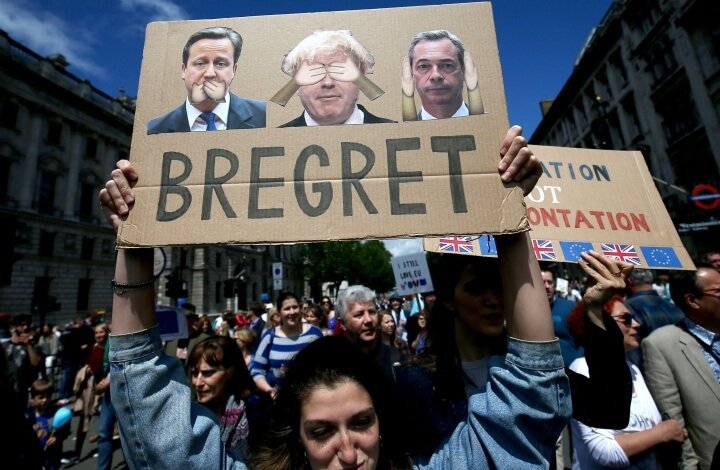
Throughout the Leave campaign’s crusade to get Britons to vote to exit the European Union in 2016, the mantra of “taking back control” has possessed the politics of the country, especially the UK’s governing Conservative Party. Immigration was, and remains, a major issue in discussions about Brexit, as many people in Britain see the EU’s freedom of movement of people - a staple and guiding principle of Europe’s integration - as a threat to British jobs, identity, and infrastructure. Calls to “take back control” of Britain’s borders, despite the fact the UK retained its customs checks with EU nations anyway, grew strong enough to push for a referendum on Britain’s membership of the European Union.
Even religious and racially motivated hate crimes have increased in the UK following the EU referendum, indicating the influence of far-right xenophobes in the country’s affairs. Now that the British people have decided to leave, Prime Minister Theresa May’s Brexit negotiating strategy has been fixed on the position that Britain must regain control over their immigration policy in regards to migration from Europe.
Immigration and freedom of movement have essentially become a deal-breaker on the negotiating table, as May would like to establish a smooth trading relationship with Europe without accepting any of the EU’s laws, or any of their single market’s four basic freedoms of movement (of people, goods, services, and capital) - a prospect that EU negotiators have refused since day one of the Brexit negotiations.
From Europe’s end, the EU cannot allow Britain to cherry pick aspects of EU membership that it likes and exempt itself from aspects it does not - this would trigger a “domino effect” of other EU nations expecting to the same, thus upending the political unity and economic integration that Europe has been assembling since the founding of the European Coal and Steel Community (the first precursor to today’s EU) in the 1950’s.
Related stories
From a diplomatic perspective, the EUmust make an example of the UK so as to set a good precedent in case another country would consider to follow in Britain’s footsteps.
From a diplomatic perspective, the EU must make an example of the UK so as to set a good precedent in case another country would consider to follow in Britain’s footsteps. This view can most clearly be observed in the European Commission’s recent rejection of Theresa May’s Brexit proposal, which stipulated that Britain would charge both UK and EU tariffs on goods entering the UK, whichever was the highest, based on where the final destination of the good would be. According to Michel Barnier, the EU Commission’s chief negotiator, “The EU cannot and the EU will not delegate the application of its customs policy, of its rules, VAT and excise duty collections to a non-member who would not be subject to the EU’s governance structures.”
This rejections appears to have completely destroyed the Prime Minister’s Brexit plan, making a no-deal scenario all the more real for the UK after their negotiation deadline in March 2019. Stories of medicine and food stockpiling have started to grow as the prospect of a situation where Britain’s trade with Europe is castrated by a lack of a post-Brexit trade deal, and PM May and her negotiating team appear to running out of options that will satisfy their need to limit immigration but continue to engage in free trade with the rest of Europe.
Remain campaigners, who have been pushing for the UK to simply engage in either a customs union or single market membership in the months following the Brexit vote, have thus taken the opportunity to advocate for Britain’s membership of the European Economic Area (EEA) as a way to satisfy the demands of all parties. Member states of the EEA, such as Norway, Iceland, and Liechtenstein, pay some membership dues into the EU’s coffers, and cannot vote on the EU’s rules and regulations that they still have to follow. These aspects of the “Norway model” are exactly why Brexiteers are so opposed to it - the UK would still be required to pay into the EU budget, accept open EU immigration, and follow rules that it would have no voice in implementing.
However, the EEA grants members access to the European single market - including its four freedoms - in exchange for being granted several legal exceptions to the EU’s policies regarding fishing, agriculture, taxation, justice, trade agreements, and foreign policy. Articles 112 and 113 of the EEA Agreement also allows the application of an “emergency brake” on one of the four freedoms of the single market - including movement of people - in circumstances of “serious economic, societal, or environmental difficulties of a sectoral or regional nature.”
This may be Britain’s best and only option, other than severe financial and societal ruin via a hard Brexit. So long as the British government remains vehemently and irrationally fixed on blocking immigration from Europe, they will continue to meet this roadblock in regards to their negotiations with the EU.
Joining the EEA however, will satisfy the EU’s need to keep the bloc from unraveling post-Brexit, grant the UK a temporary brake on migration from Europe, and still allow them to trade freely with both Europe and the rest of the world. Only time will tell if the government of the United Kingdom will come to their senses and make a compromise with the EU before it is too late.

Jack Gil
Comments

Powered by RoundtableAn AI/DeFi-powered Enterprise Media Operating System. Learn more at Roundtable.io.© Roundtable 2026. By using this site you agree to the Terms of Use and Privacy Policy