


Feb 16, 2016 5:06 PM
Updated Feb 10, 2022 10:48 PM
Randy Shaw: Whereas the “message” of McGovern’s loss became “Democrats shouldn’t pick someone too liberal,” Mondale’s landslide defeat did not weaken the arguments of those always going with the “safe” choice. McGovern and Sanders
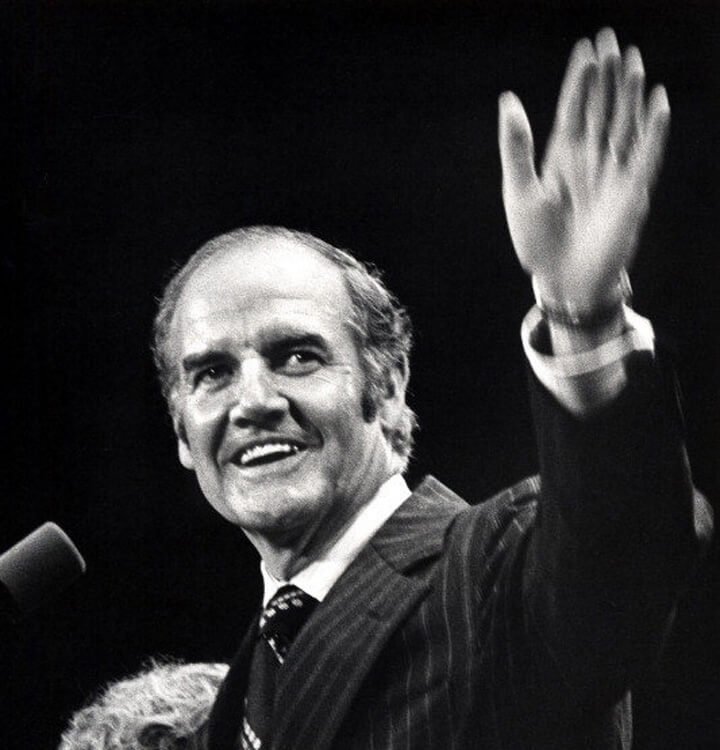
As Bernie Sanders rises, many Democrats worry that he is the 2016 version of George McGovern. For example, a February 14 NY Times story on the upcoming Nevada caucuses ended with a quote from a voter who “knocked on doors for McGovern” but who is now “scared of Bernie being the nominee.”
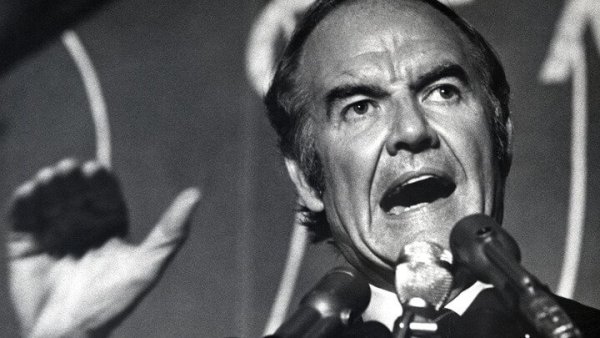
But while the Sanders/McGovern parallels are being debated, absent is a discussion of what happens electorally when Democrats pick the supposedly politically safe choice. That’s what occurred in 1984, when Democrats picked Walter Mondale as their nominee over the new politics agenda of Gary Hart.
Many saw the pre-scandal Gary Hart as not only a bolder choice, but a politically stronger one. Mondale had the baggage of the Carter years (he was Vice-President), yet his long tenure in Washington DC made him the politically safe choice.
Whereas the “message” of McGovern’s loss became “Democrats shouldn’t pick someone too liberal,” Mondale’s landslide defeat did not weaken the arguments of those always going with the “safe” choice.
Although Mondale tried to rev up the base by selecting Geraldine Ferraro as his Vice-Presidential nominee, he did no better in 1984 than George McGovern in 1972. Yet whereas the “message” of McGovern’s loss became “Democrats shouldn’t pick someone too liberal,” Mondale’s landslide defeat did not weaken the arguments of those always going with the “safe” choice.
Related stories
A fair assessment of both McGovern and Mondale—two profoundly decent politicians—would say that neither lost because they were too progressive or too safe. No Democrat was going to defeat Nixon in 1972 or Reagan in 1984. It would have made little difference if Hubert Humphrey had replaced McGovern or Hart had been nominated instead of Mondale.
The political situation in 2016 is much different. Unlike 1972 and 1984, the electoral demographics, economy and public positions on key issues favor the Democratic presidential nominee. And neither Republican frontrunners Donald Trump and Ted Cruz have anywhere near the national support of Reagan or Nixon.
Sanders’ Bigger Problem
The great unknown about Bernie Sanders is what happens to his support once he is targeted by the Republican attack machine. Sanders and his backers routinely cite polls showing he runs better against Donald Trump than does Clinton. These polls do not mean anything. GOP candidates and PACs have not been attacking Sanders. Instead, they have targeted all of their venom toward Hillary Clinton.
Sanders backers post quotes on social media from GOP consultants saying that Republicans actually fear Sanders most. But if the GOP wants to run against Clinton, why are they are spending so much money attacking her?
Maybe it’s a brilliant stroke of political misdirection. The GOP could be attacking Clinton in the hopes that this gets Democrats to rally behind her and they get her as the weaker nominee. That’s certainly possible. But I see it as far more likely that the GOP candidates and PACs are attacking Clinton and ignoring Sanders because they feel she is the stronger general election candidate.
The problem is not that Sanders is too progressive. Rather, it’s that up to now he has not been sufficiently vetted.
When Clinton challenges Sanders’ single payer health care plan, his criticisms of President Obama, or the overall cost of his free college tuition proposal, some progressives condemn this as Clinton using right-wing talking points to bash progressives. But these are precisely the questions that will be front and center in the general election should Sanders win the nomination.
The Relevant McGovern Parallel
Recall what happened to George McGovern when he devised a plan to address income inequality by providing a guaranteed minimum income of $4000 to a family of four with no income. It soon dominated stories about his campaign. The Republican attack machine redefined this common sense strategy as McGovern seeking to give “$1000 to every American.” To this day, that false frame is likely far and away McGovern’s most remembered policy prescription from his 1972 campaign.
Recognizing how it was being unfairly described, McGovern withdrew his guaranteed income proposal prior to the fall campaign. But that did not stop the Nixon team from using it to define the Democrat’s candidacy.
Sanders may have opened himself up to similar fall election attacks when he acknowledged that his health care plan would ask for tax increases on the middle-class. While he insisted they would make out far better in the end and the facts of health care spending support this conclusion, adherence to truth is not part of GOP’s 2016 electoral game plan.

If Sanders is the nominee, Republicans will make the entire 2016 presidential election about his middle class tax hike plan. Many progressives are eager to have the 2016 campaign focus on single-payer health care. Others are understandably skittish about Democrats making a middle-class tax hike the centerpiece of a national election.
Walter Mondale used his 1984 convention speech in San Francisco to pledge that he would increase taxes. He thought the American people would appreciate his “straight talk;” instead, they gave Reagan 49 states.
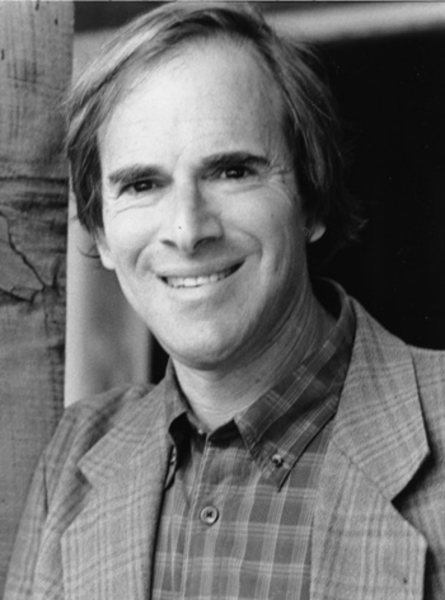
It’s not Sanders’ progressive politics that concerns many Democrats. It’s whether his embrace of a middle-class tax hike has given a troubled and divided Republican Party a juicy general election target to unite around.
Randy Shaw
Beyond Chron
Comments

Powered by RoundtableAn AI/DeFi-powered Enterprise Media Operating System. Learn more at Roundtable.io.© Roundtable 2026. By using this site you agree to the Terms of Use and Privacy Policy