


May 14, 2021 3:00 AM
Updated Mar 8, 2024 4:32 PM
Johnny Townsend: Let’s be honest, just because we turn our pain into progress doesn’t mean that learning the truth isn’t sometimes still legitimately painful.
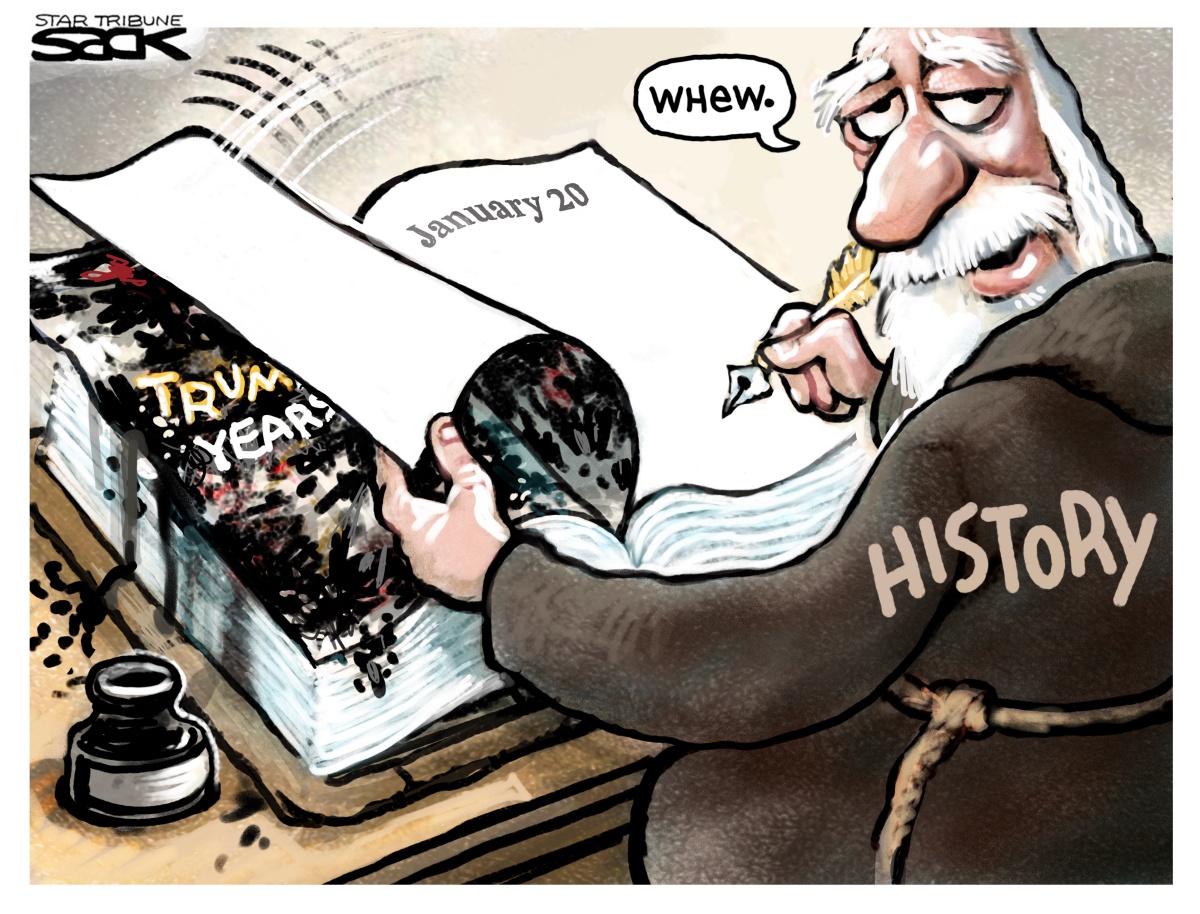
Many years ago when I told some Mormon friends I’d met D. Michael Quinn, one of them said, with a mixture of condescension and disgust, “He writes revisionist history, right?” My friend used the term to mean “rewriting history to fit his agenda.” The truth was that Quinn revealed facts that had been deliberately hidden by LDS Church leaders.
One of those leaders, Apostle Boyd K. Packer, had told him to his face, “I have a hard time with historians because they idolize the truth. The truth is not uplifting,” and said publicly not long afterward, “Some things that are true are not very useful.”
Many Mormons, other Christian evangelicals, and political conservatives in general, fear revisionist history not because it isn’t “uplifting,” and not because it isn’t “very useful” to their conservative agenda, but largely because it reveals they’ve spent a lifetime believing lies. No one wants to face that.
Let’s be honest, just because we turn our pain into progress doesn’t mean that learning the truth isn’t sometimes still legitimately painful.
Related stories
Go to any ex-Mormon or ex-Jehovah’s Witnesses online discussion and the first thing you’ll notice is how angry folks are when they discover they’ve dedicated the past twenty or thirty years to organizations they now feel have lied to them. Some of these former believers move on to other faiths, some work through their anger in a few years, and some remain angry for decades.
One woman in her sixties, dismayed to discover her entire life had been devoted to sustaining a lie, wasn’t angry. She instead felt deeply saddened, mourning both the loss of her faith and the sixty years she could never get back.
I believed in Santa Claus until I was thirteen. Two or three years earlier, when I’d begun doubting and asked my mother to be honest with me, she’d assured me Santa was real, and I continued believing for a while longer. I felt she wouldn’t lie to me if I was direct. She felt that if I was asking, then I still wanted to believe.
What I felt was betrayed when I finally learned the truth.
And this was just over a silly children’s story I should have been able to figure out much sooner on my own.
As Americans, we’ve been taught our entire lives that Columbus was a great man. As Mormons, we were even taught that he was divinely inspired, the fulfilment of Book of Mormon prophecy, and a blessing to the native inhabitants of the Americas.
So, when we read that he was a brutal monster who enslaved and tortured and killed thousands of indigenous people, we don’t want to hear it. It must be a lie. It’s “revisionist” history.
The facts are well-documented. Just because we were denied those facts doesn’t stop them from being true. And it certainly doesn’t prevent other people from knowing they’re real.
As a gay man, I’ve heard many stories of parents who saw their children as strangers when they learned the truth. “I don’t know who you are anymore!”
It’s a similar feeling when parents learn their infants were switched at birth or when adult children discover they were adopted. One Jewish woman whose friends joked that she “looked” black was dismayed to learn she truly was of African descent.
Husbands or wives in monogamous relationships are heartbroken when they discover their spouse has been cheating on them, not once but for the past ten or fifteen years.
It’s devastating to discover you’ve been duped, especially by someone you love.
I spent decades enjoying the 1939 classic The Wizard of Oz. I hated learning that Judy Garland was given drugs during the filming so she could keep up with the long hours. I hated discovering that the producer bullied and threatened her. I hated learning that Margaret Hamilton’s third-degree burns were ignored while Billie Burke’s cold was attended to.
Reality was ruining the many years of wonderful memories and feelings I associated with this film.
“The truth is not uplifting.”
Then I learned that some of the actors portraying the Munchkins were Jews who escaped Nazi Germany by going to America to appear in the film.
The truth hurts. It also heals. It can kill. And it can save.
The truth itself is neutral. And when it does hurt, it’s almost always the preceding lies that are actually causing the pain.
We don’t need our heroes to be perfect, but if they’re downright horrible, perhaps we shouldn’t insist they remain our heroes.
We can cry over our lost hero Columbus. Or we can use the information to lift still-oppressed indigenous peoples.
We can cry over our lost faith. Or we can decide to show compassion for others because loving our neighbors as ourselves is a good principle no matter where it came from.
We can cry over our lost Tooth Fairy. Or we can work to include dental care in a universal healthcare program.
But let’s be honest, just because we can turn our pain into progress doesn’t mean that learning the truth isn’t sometimes still legitimately painful.
It might help, though, to decide what we want to be true about ourselves—are we the type of person who would continue telling lies just to protect ourselves, even knowing those lies hurt others?
Or are we the kind of person who believes “the truth shall set you free”?
Johnny Townsend
Comments

Powered by RoundtableAn AI/DeFi-powered Enterprise Media Operating System. Learn more at Roundtable.io.© Roundtable 2026. By using this site you agree to the Terms of Use and Privacy Policy