


James Zogby
Jul 13, 2024 2:43 PM
Analyzing Zogby’s contributions and comparing them to today’s political landscape, it’s clear that the spirit and strategies of his younger self hold valuable lessons for our current struggles.
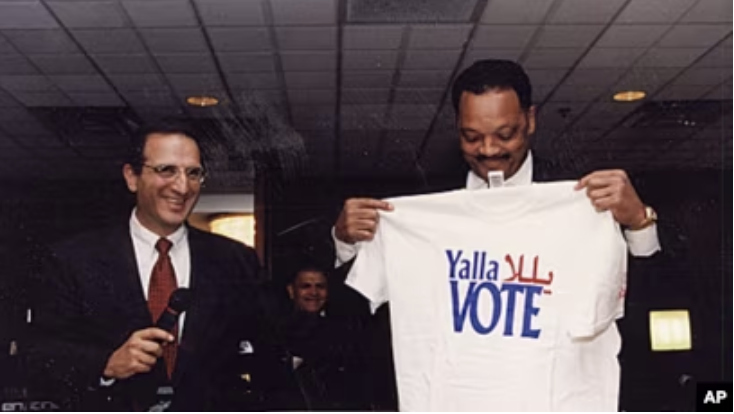
Three decades ago, James Zogby emerged as a formidable force in American politics, championing progressive causes alongside Jesse Jackson’s groundbreaking campaign.
Zogby is an American pollster, author, and public opinion researcher. He is an icon in the world of progressive politics. He is now calling for an open convention. A better strategy would have been to support a ceasefire Democratic candidate and not hide behind the idea of a fair process. The Democratic National Committee is a corporatist mafia for the upkeep of Wall Street.
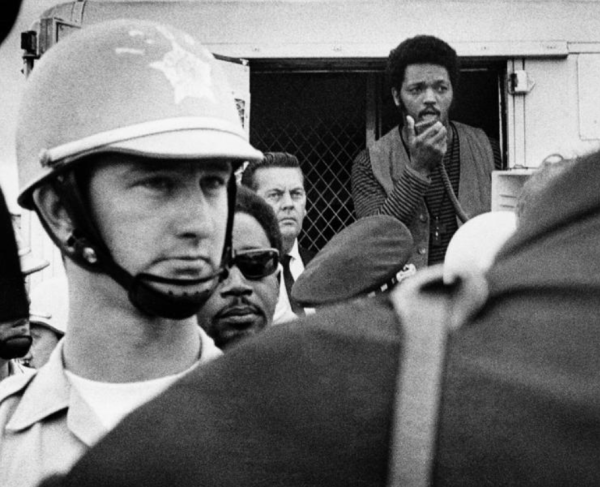
In the 1980s, Zogby was a key figure in the movement supporting Jesse Jackson’s presidential campaigns. Jackson, a trailblazer in his own right, galvanized a diverse coalition of voters, advocating for civil rights, economic justice, and a more inclusive America. In 1984, Zogby founded his polling company, which became known as Zogby International and later Zogby Analytics. He gained prominence for accurately predicting various political races, including Bill Clinton's narrow victory margin in 1996.
Once upon a time, he knew more than others. However, his discreet skillset is less valuable today than in the 1980s, and his gatekeeping of progressives in the Democratic Establishment is astounding. In the age of information, social media and artificial intelligence, the collective prowess of citizen science and digital activism diminishes the impact of traditional gatekeepers, empowering a broader spectrum of voices to challenge the status quo and reshape the political landscape.
Related stories
Born in Utica, New York, in 1948, he earned his Bachelor's degree from Le Moyne College and Ph.D. in Islamic Studies from Temple University. In 1980, he co-founded the American-Arab Anti-Discrimination Committee with former U.S. Senator James Abourezk before founding the Arab American Institute. He built a career on being a voice for Arab Americans along with Muslims.
Analyzing Zogby’s contributions and comparing them to today’s political landscape, it’s clear that the spirit and strategies of his younger self hold valuable lessons for our current struggles. Yet the contrast between the visionary leadership of Zogby then and the disjointed initiatives like “Uncommitted” today underscores the need for focused and principled activism.
Zogby’s involvement in this movement early on was marked by his commitment to these progressive ideals, which resonated deeply with marginalized communities. Their campaigns pushed for significant reforms in healthcare, education, and foreign policy, laying the groundwork for future progressive movements. The younger Zogby’s efforts were characterized by a clear vision, strategic planning, and an ability to unite various factions under a common cause.
That Zogby is gone and now replaced by one who calls the Democratic Socialist movement “Stalinist” in a tweet. The Democratic Socialist movement was the Bernie Sanders movement, which now coalesced around calls for ceasefire. Establishment Democrats love calling progressives, “communist.” It never goes out of style.
In the Intelligencer, Matt Steib wrote about how DSA Ditches AOC for Not Being Establishment Enough. The New York Times also wrote how Ocasio Cortez Loses the Democratic Socialists’ Endorsement Over Israel.
Over the past three decades, Zogby has continued to advocate for Arab-American rights and broader social justice issues. Through his leadership, the Arab American Institute has become a prominent voice in American politics, advocating for civil rights, combating discrimination, and influencing public policy. Zogby’s work in the international arena has also been significant, consistently pushing for a more balanced and ethical approach to U.S. engagement in the Middle East. He has called for the need to recognize Palestinians as “humans.” He writes in the Jordan Times: “From the beginning, neither the British nor early Zionist leaders saw the indigenous Arab population as full human beings.”
The James Zogby of 31 years ago exemplified a brand of activism that was both principled and pragmatic. His support for Jesse Jackson was not just about endorsing a candidate; it was about championing a transformative vision for America. This approach contrasts sharply with contemporary efforts like the “Uncommitted” movement, which lack the clarity and coherence needed to affect meaningful change. The younger Zogby’s strategies offer several key lessons for today’s activists and political leaders: a clear vision and principles, inclusive coalition building, strategic advocacy, and a focus on substance over symbolism.
The current version of James Zogby appears to have drifted from the bold, uncompromising stance of his earlier years. Today, Zogby is seen by some as a proponent of the establishment’s group think, which has played a part in ensuring Joe Biden remains the Democratic nominee despite the evident desire for more progressive leadership within the party. This shift towards a more conformist approach reflects a broader trend within the DNC, where maintaining the status quo often takes precedence over embracing meaningful change.
The decision to remain uncommitted in the political arena has historically been a poor move, driven in 2024 by insider Democratic operatives like Waleed Shahid, James Zogby, and South Florida lawyer Khurrum Wahid in Muslim lawyer WhatsApp groups with Emgage Action ready to ride the coattails of anything. These individuals have too much skin in the game of the Democratic machine to effectively challenge the system. Their entrenched positions within the Democratic establishment have prevented them from advocating for the fundamental changes our community desperately needs. While they have achieved some levels of electoral success, they are not willing to walk away from the Party, and that is the basic haggling learned in street bazaars from Cairo to Karachi. While the anti-war voter mobilization efforts were effective, a better tactic would have been to pick a Democratic ceasefire candidate and build momentum for that candidate, like Marianne Williamson.
In the marketplace of ideas, power, prestige, and pomp can gain traction faster than principles.
We can still correct course with an open convention, even if it results in an all-out brawl. I support Marianne Wiliamson for President. Just let her have consideration, and it would open the door for others to also run in a democratic process.
The current leadership has failed to address critical issues, resulting in a catastrophic leadership vacuum. We must publicly denounce ineffective leadership and adopt a process for political empowerment. Without fundamental leadership change in the Muslim community, we risk a massive shift in momentum. Our current leaders have failed to stand up for our interests and have often been complicit in maintaining the status quo. It is time to stand in our power and demand more from those who claim to represent us. We must seek leaders who are willing to challenge the system, push for real change, and prioritize the needs of our community above personal or political gain.
We must draw inspiration from the past. The younger James Zogby’s commitment to justice, innovative thinking, and inclusive coalition-building offers a blueprint for effective activism. By learning from his example, we can better organize our efforts, advocate for substantive change, and build a more just and equitable society. In assessing James Zogby’s early contributions, we are reminded that true progress requires a clear vision, strategic planning, and a steadfast commitment to our principles.
Comments

Powered by RoundtableAn AI/DeFi-powered Enterprise Media Operating System. Learn more at Roundtable.io.© Roundtable 2026. By using this site you agree to the Terms of Use and Privacy Policy