


Jun 27, 2024 11:50 PM
How local races could reshape national politics
Nadia Ahmad: Growing discontent has fueled a surge in support for third-party candidates, threatening to upend the traditional two-party dynamic and potentially tilt the balance in key swing states.More Videos
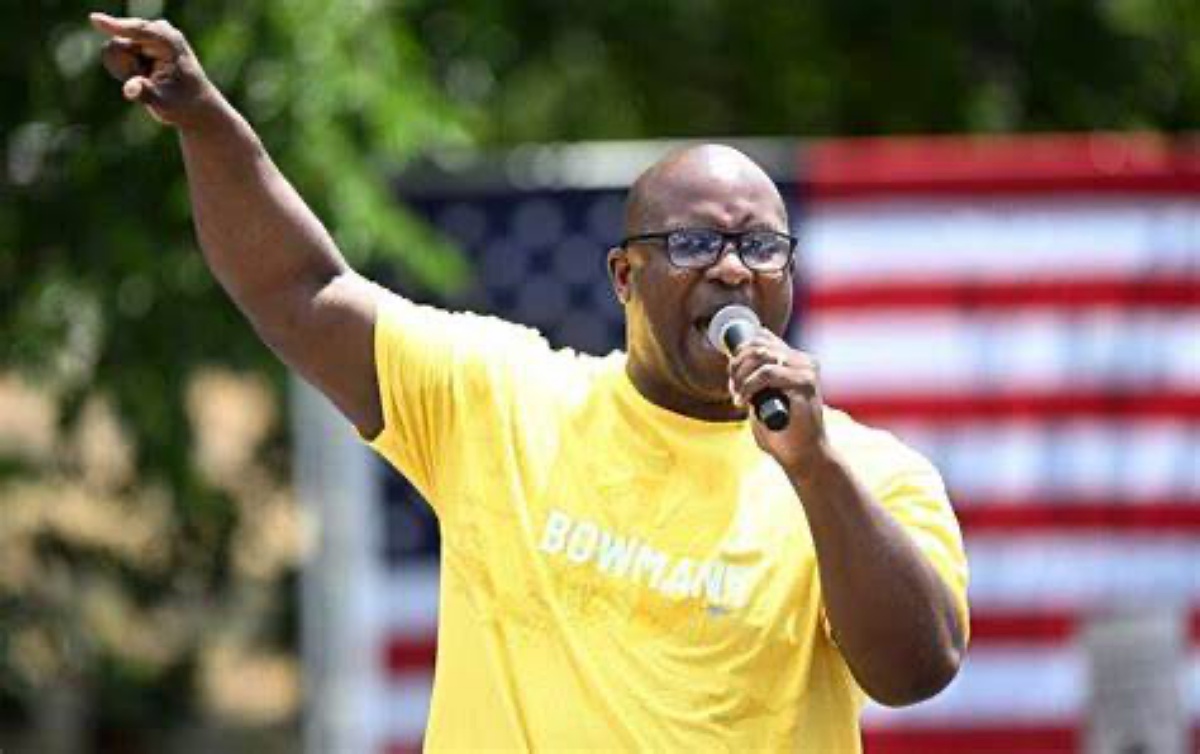
As the 2024 presidential election approaches, political analysts should monitor the phenomenon of “candidate surges” and their potential to dramatically alter the electoral landscape. A recent development that has caught the attention of many is the primary challenge faced by Representative Jamaal Bowman in New York’s 16th Congressional District. This race is both a litmus test for voter sentiment and a potential catalyst for broader political surges on the national stage.
A candidate surge is a sudden and significant increase in support or popularity for a political candidate during an election campaign, triggered by factors like strong debate performances, major policy announcements, or influential endorsements. These surges can lead to increased media attention, higher poll numbers, and improved fundraising, altering the dynamics of a race, though they don't always guarantee electoral success.
The Bowman race exemplifies how local elections have far-reaching implications for national politics. Rep. Bowman, a progressive Democrat, faces a primary challenge in a race that has drawn national attention. The outcome of this contest could signal shifting attitudes within the Democratic Party and trigger a surge for the presidential race. If Bowman prevails decisively, it could energize the progressive wing of the party. Conversely, a strong showing by his challenger could indicate a desire for more centrist policies.
The implications of the Bowman race extend beyond party lines. A surge in support for progressive policies could also benefit third-party candidates like the Green Party’s Jill Stein or independent Cornell West. On the other hand, a rejection of Bowman's progressive platform might redirect uncommitted voters towards more centrist options, including moderate Republicans or independents like Robert F. Kennedy Jr., but it may also swing the pendulum further left.
Related stories
Recent polling data in key states such as Michigan, Pennsylvania, and Florida already indicates a significant level of voter dissatisfaction with the major parties. The Bowman race could serve as a flashpoint, redirecting this dissatisfaction and triggering a surge for candidates who can capture the prevailing mood. For third-party candidates, a surge stemming from the Bowman race could provide the momentum needed to break through traditional media barriers and gain widespread attention. This increased visibility could lead to improved polling numbers and potentially even inclusion in national debates, fundamentally altering the dynamics of the presidential race.
The uncommitted voter movement in battleground states adds another layer of complexity. These voters, disillusioned with both major parties, represent a sizeable bloc that could be swayed by a compelling candidate surge. The outcome of the Bowman race and any resulting national surge could rapidly redirect the momentum of the uncommitted movement, potentially reshaping the electoral map.
Uncommitted itself was a construction of insiders within the Democratic Party apparatus as an attempt to save the Democratic Party from itself. For example, the Movement Voter Project (MVP) supported the Uncommitted Movement in order to tackle the primary challenge in the 2024 election: low enthusiasm for Biden among voters. MVP’s Executive Director, Billy Wimsatt, explains the rationale behind MVP's support for this strategic approach. Wimsatt notes in post, “Why MVP is proud to support the Uncommitted Movement.” He highlights that the Uncommitted movement, initially focused on what I call “the genocide in Gaza,” but what he refers to as “shifting the conversation around Gaza by leveraging primary votes in key battleground states like Michigan and Wisconsin.”
Wimsatt observes that the Uncommitted Movement has gained significant traction across multiple states, including Michigan, Minnesota, and Wisconsin, demonstrating its appeal beyond just Arab-American communities. While primarily addressing concerns about U.S. policy towards Israel and Gaza, the Uncommitted campaign has also become a strategic tool to re-engage disillusioned Democratic voters, particularly young and diverse supporters. MVP sees the rise of Uncommitted as way to improve engagement and enthusiasm within the Democratic base in order to defeat “MAGA extremism” in the upcoming election.
While candidate surges are not always predictable or lasting. Historical examples show that candidates who experience rapid increases in popularity can sometimes fade just as quickly. The sustainability of a surge often depends on a candidate’s ability to capitalize on the momentum and translate it into a durable base of support. In the case of the 2024 Presidential race, the potential for surges also intersects with critical policy issues facing the nation.
Economic concerns, healthcare reform, immigration policy, and foreign relations are all areas where a candidate’s surge could rapidly shift the national conversation. The Bowman race, with its focus on progressive policies, could reignite debates on issues like the Green New Deal, Medicare for All, and foreign policy approaches, triggering surges for candidates who align with or oppose these positions.
Comments

Powered by RoundtableAn AI/DeFi-powered Enterprise Media Operating System. Learn more at Roundtable.io.© Roundtable 2026. By using this site you agree to the Terms of Use and Privacy Policy