


Apr 15, 2026 7:53 PM
A deep dive into America’s aging political leadership, the role of voters, and why Generation X is stuck between entrenched power and rising generations.
There’s a structural tension building in American democracy that we’re not talking about honestly enough.
It’s not just about ideology.
It’s not just about party.
It’s about time, power, and who gets to lead.
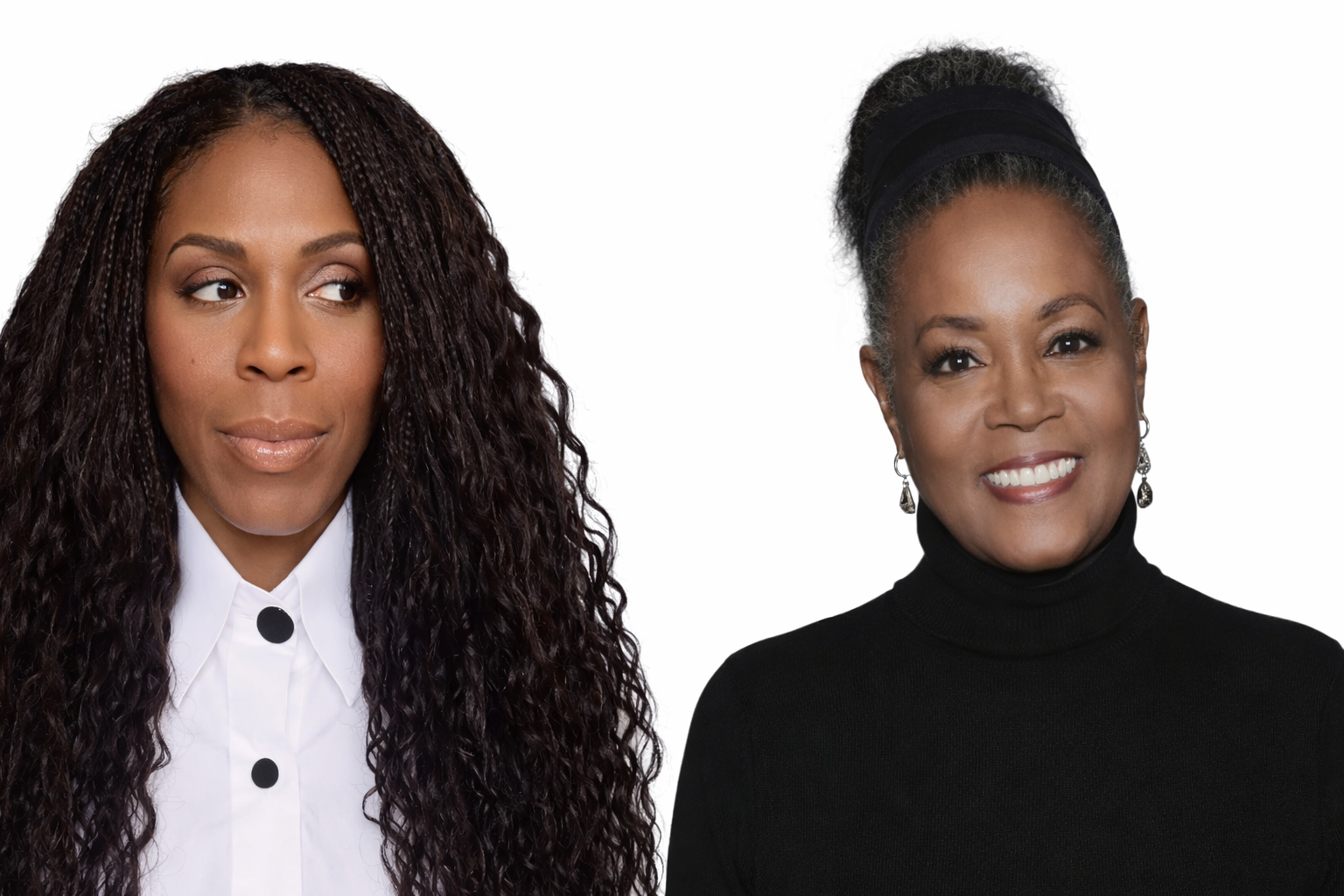
In a recent conversation with political commentator and LA Progressive contributor Jasmyne Cannick, we landed on a truth that’s been hiding in plain sight:
There is an entire generation—Generation X—that has done the work, waited its turn, and is now being squeezed out of leadership from both directions.
Related stories
And the numbers make that tension impossible to ignore.
A Country Run by Its Elders
Let’s start with the facts.
The average age of members of Congress today hovers around 58 in the House and well into the mid-60s in the Senate. Meanwhile, the median age of the American population is about 39.
That’s not a small gap. That’s a generational divide.
And here’s the deeper issue: the people who actually vote—the electorate—skew much older than the population at large. The typical voter is often in their 50s, sometimes older, especially in local elections where turnout drops and older voters dominate.
So what do we get?
- Older voters
- Electing older candidates
- Who stay in power longer
- And reinforce a system that reflects their own longevity
That’s not accidental. That’s structural.
The Generation That Waited
Cannick describes Gen X as the generation that was taught to wait—and took that lesson seriously.
“We were raised to respect our elders,” she told me. “We learned to wait our turn. We learned how to build quietly.”
And build they did.
Gen X has been running institutions without necessarily leading them—managing operations, stabilizing systems, fixing what breaks, and carrying the weight of organizations where someone else holds the title.
“They’ve been doing the actual work,” Cannick said. “Keeping things running, holding it all together, while someone else is in charge.”
That quiet competence has come at a cost.
Because in a system where power doesn’t move, waiting becomes a trap.
The Bottleneck at the Top
In theory, leadership should renew itself.
In practice, it often doesn’t.
Cannick points to what she sees across politics, nonprofits, and civic institutions: leaders who stay in place for decades—with no meaningful succession plan.
“Some of our elders have decided these positions are lifetime appointments,” she said.
And when they leave—often by force of age or circumstance—there’s no one prepared to step in.
“I’ve seen organizations collapse after a founder passes away because they didn’t mentor anyone. That’s not a legacy if it dies with you.”
That’s not just a management failure. It’s a democratic one.
Because leadership, at its core, is not about holding power. It’s about transferring it responsibly.
And Then Comes the Hopscotch
If the story ended there, it would already be troubling.
But there’s another pressure point.
Younger generations—Millennials and Gen Z—are not waiting.
And in many cases, they’re attempting to leap directly into leadership, bypassing Gen X altogether.
Cannick doesn’t hedge on this.
“We’re not going to let people hopscotch over us,” she said. “We’ve put in too much time and too much work.”
This isn’t a complaint. It’s a boundary.
“We were raised to respect our elders—not to worship them. Not to surrender our futures to them.”
What she’s describing is a three-layered tension:
- Boomers holding power longer than expected
- Gen X waiting longer than intended
- Younger generations pushing forward faster than anticipated
And the system has no built-in mechanism to resolve that tension.
The Voter Problem We Don’t Want to Own
It’s easy to blame politicians for staying too long.
But Cannick forces a harder truth:
“They didn’t get there by accident. Voters keep sending them back.”
She pointed to the late Dianne Feinstein as an example.
For years, voters expressed concern about Feinstein’s age and health. And for years, they re-elected her anyway.
At some point, we have to confront this:
The system reflects the behavior of the electorate.
Older voters show up consistently.
Younger voters do not—at least not at the same rate.
And so the system tilts toward those who participate.
Cannick’s advice cuts through the excuses:
“You don’t have to vote for who the party tells you. You don’t have to follow the mailers. You can do your own research.”
Then she adds a line that lands because it’s both funny and true:
“Research these candidates like you research your Tinder dates.”
But Let’s Be Real About Time
And yet—there’s another layer we can’t ignore.
Most people are busy surviving.
They’re working, commuting, raising children, caring for family. They do not have hours to research judicial appointments, water boards, or down-ballot races.
That’s reality.
Which is why voter guides exist. Which is why trusted voices matter.
Cannick acknowledges this—but doesn’t let voters off the hook.
“Find someone you trust,” she said. “It doesn’t have to be the political party.”
That’s where independent outlets like LA Progressive come in—not to dictate outcomes, but to translate complexity into clarity.
Because the alternative isn’t informed voting—it’s default voting.
And default voting tends to favor incumbents.
Why Power Doesn’t Move
This is where the conversation intersects with one of the most persistent proposals in American politics: term limits.
Supporters of term limits argue that they would:
- Break the grip of career politicians
- Reduce entrenched relationships with lobbyists
- Force leadership turnover
- Create space for new generations
- Weaken the near-automatic reelection of incumbents
And they have a point.
When incumbents win more than 90% of the time, elections start to look less like competition and more like confirmation.
Term limits would, at minimum, force openings.
They would disrupt the quiet accumulation of power that allows individuals to remain in office for decades.
They would make it harder for leadership to stagnate.
But Term Limits Aren’t a Magic Fix
Let’s be honest.
Term limits don’t solve everything.
They can:
- Remove experienced lawmakers
- Shift power to unelected staff and lobbyists
- Encourage short-term thinking instead of long-term planning
So the real question isn’t simply whether we should have term limits.
It’s this:
How do we ensure that power moves—without weakening the institutions that depend on it?
Because right now, power isn’t moving enough.
And when power doesn’t move, generations don’t either.
The Local Reality Most People Miss
One of the most important points Cannick raised is also the most overlooked:
Local politics matters more than people think.
People know what’s happening in Washington.
They know the President.
They know the headlines.
But they often don’t know:
- Who sits on their city council
- Who runs their water board
- Who oversees their schools
- Who appoints or elects their judges
And yet those decisions hit fastest.
“When LADWP raises rates, you feel that immediately,” Cannick said.
“When local taxes change, you feel that immediately.”
Democracy doesn’t just live in Washington.
It lives in your zip code.
And if you don’t know your zip code politics, you’re not really participating—you’re reacting.
A System Out of Sync
Put all of this together, and a pattern emerges:
- A country with a median age of 39
- A voting population closer to 50–57
- A Congress averaging near 60–65
- Leadership that turns over slowly, if at all
That’s not alignment. That’s drift.
And in that drift, something important gets lost:
The natural progression of leadership across generations.
Gen X isn’t asking for special treatment.
They’re asking for something simpler:
A system that actually makes room for the people who have done the work to lead.
The Question We Can’t Avoid
This is where the conversation lands.
Not in blame. Not in nostalgia. But in accountability.
If leadership is about service, then part of that service is preparing someone else to take your place.
If institutions are meant to endure, then they must outlive the people who lead them.
And if democracy is meant to reflect the people, then power has to move with them.
So here’s the question:
Who are you preparing to replace you?
And if the answer is no one—
then what exactly are you holding onto?
Where to Find Jasmyne Cannick
You can follow Jasmyne Cannick’s writing, commentary, and video content at: IAmJasmyne.com
Comments

Powered by RoundtableAn AI/DeFi-powered Enterprise Media Operating System. Learn more at Roundtable.io.© Roundtable 2026. By using this site you agree to the Terms of Use and Privacy Policy