


Aug 14, 2024 7:20 PM
Updated Aug 14, 2024 8:00 PM
The electoral college is but one issue that should be addressed if we are serious about improving our system of choosing representation. There is so much more
This fall, when millions of Americans go to the polls to vote for the "president" of the United States, they won't actually be voting directly for him or her -- instead, their votes will be cast for members of the Electoral College. The Electoral College is the body that actually elects the president. Electors, the people who make up the Electoral College, are the ones with the authority to vote directly for the president, not the average voter. These 538 people cast direct votes that will determine who will lead the free world.
So, if you have wondered why the number 270 is bantered around so much every four years, it's because 270 is the magic number of electors that must be won before a candidate can become the president of the United States. Alternatively, if the electoral vote results in a tie and no candidate receives an absolute majority of electoral votes, the election is determined by the House of Representatives.
In the history of the United States, the winner of the popular vote hasn't always been the winner of the electoral vote. In five different presidential elections, the candidate winning the popular vote did not become president of the United States because -- as I stated in the paragraph above, the electoral college elects the president, not the popular vote.
So, back in 2016, when we learned that Hillary Clinton won 7 million more votes than Donald Trump, yet Trump became president, we should take heed. This can happen again. As long as we have an electoral college, the will of the people can be thwarted.
Related stories
The nationwide popular vote, however, does play a role in determining the outcome of the election by electing electors that are pledged to a particular candidate; the nationwide popular vote indirectly elects the president.
Given the potential volatility of the upcoming election, I wanted to talk to an expert in electoral politics. Steven Hill, an expert in electoral politics, is a friend and contributor to the LA Progressive, so I reached out to him. Steven Hill has written several books on the topic.
I was looking to scratch an itch when I first read, "10 Steps to Repair American Democracy", a book Steven Hill wrote a decade ago that is still as relevant today as it was when he first published it. Surprisingly, the book gave me a sense of hope that fueled my energy to continue the work of publishing content for the LA Progressive.
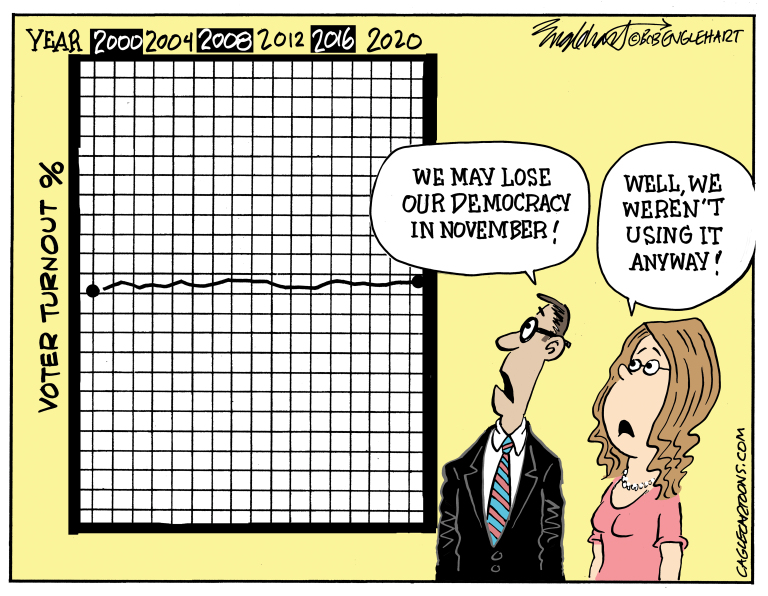
Steven addresses the problems plaguing the US political system. He offers a ten-step program that confronts each of our electoral system flaws. His specific reforms gives voters more choices at the ballot box, boosts voter turnout, reduces Senate 'filibustering' and ends excessive corporate dominance if the American people would adopt them.
Comments

Powered by RoundtableAn AI/DeFi-powered Enterprise Media Operating System. Learn more at Roundtable.io.© Roundtable 2026. By using this site you agree to the Terms of Use and Privacy Policy